Showcase Your Contortion Moves!
Learn and practice simple, safe contortion moves with stretches, balance exercises, and a short performance routine to showcase flexibility and confidence, with adult supervision.
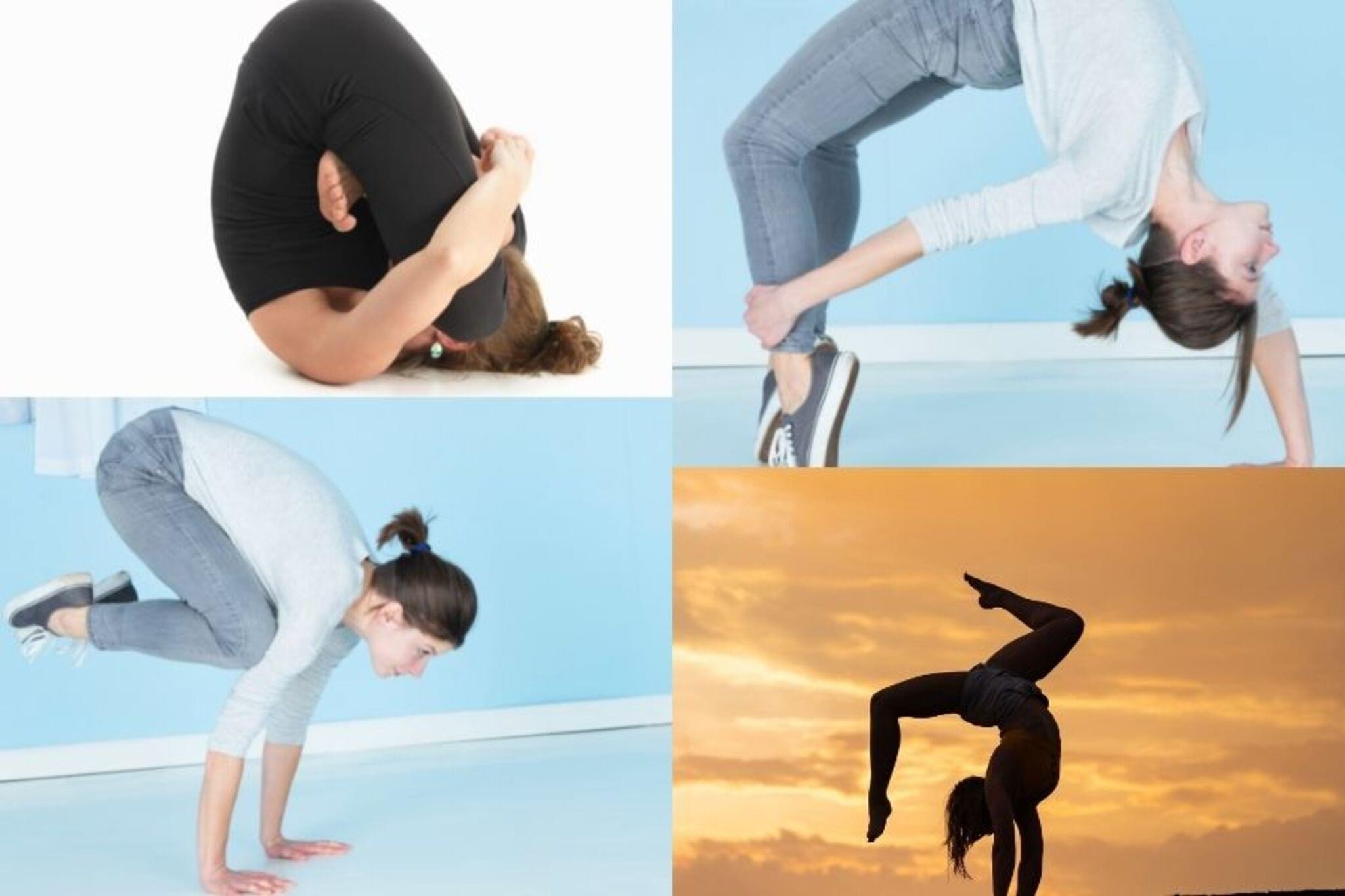
About this activity
Learn and practice simple, safe contortion moves with stretches, balance exercises, and a short performance routine to showcase flexibility and confidence, with adult supervision.
What you need
Step by step
- 1
Step 1
Put on comfy stretchable clothes.
- 2
Step 2
Clear a safe space by moving toys and furniture away.
- 3
Step 3
Lay a soft mat or towel on the floor.
- 4
Step 4
Ask an adult to stay close for supervision.
- 5
Step 5
Warm up by marching or lightly jogging in place for 60 seconds.
- 6
Step 6
Gently roll your neck and shoulders for 30 seconds.
- 7
Step 7
On hands and knees perform 5 cat-cow cycles moving with your breath.
- 8
Step 8
Lie on your tummy and lift into Sphinx pose holding for 20 seconds.
- 9
Step 9
Sit and do a butterfly stretch holding your feet together for 30 seconds.
- 10
Step 10
Practice a gentle supported backbend by placing your hands on a low chair or couch edge and leaning back for 10 seconds while the adult spots you.
- 11
Step 11
Stand on your right foot and hold for 15 seconds to practice balance.
- 12
Step 12
Stand on your left foot and hold for 15 seconds to practice balance.
- 13
Step 13
Pick three moves you learned to make a short 30-second routine.
- 14
Step 14
Practice your short 30-second routine twice with a rest in between.
- 15
Step 15
Share your finished creation on DIY.org.
Fun facts
How do I teach my child simple, safe contortion moves and create a short performance routine?
Start with a 5–10 minute warm-up of light cardio and joint circles. Follow with gentle dynamic stretches for shoulders, back, hips and hamstrings. Teach one basic move at a time (bridge prep, chest stand modification, shoulder openers) with a spotter nearby. Add balance drills and link three practiced moves into a 30–60 second routine. Finish with a cool-down and deep breathing. Always supervise and stop if the child feels sharp pain or dizziness.
What materials and equipment do I need for a kid-friendly contortion practice?
You’ll need a non-slip yoga or gymnastics mat, comfortable stretchable clothing, a water bottle and a towel. Optional helpful items: a soft bolster or pillows for support, resistance bands for gentle stretching, a full-length mirror for self-checks, small cones or markers for routine choreography, a timer, and a basic first-aid kit. Always have an adult spotter present and practice on a cushioned floor or low-impact surface.
What ages is contortion practice suitable for?
Basic flexibility play can begin around ages 4–5 with parent-led games, while simple contortion moves are usually appropriate from about 6–7 with close supervision. More advanced skills are better for older children (8–10+) depending on maturity and body readiness. Focus on gradual progress, avoid forcing flexibility, and consult a pediatrician if there are joint issues. Individual readiness, not age alone, should guide activity level and complexity.
What safety tips should I follow when kids practice contortion moves?
Prioritize safety: always warm up, use a spotter, and practice on a cushioned surface. Never force a stretch or push through sharp pain—mild discomfort is normal, pain is not. Limit session length, include rest days, and progress slowly. Watch for dizziness, numbness, or lasting soreness and stop if these occur. Get medical clearance for past injuries or joint conditions and consider guidance from a qualified coach for advanced moves.
Watch & Learn
Need help?
What can we use if we don't have a soft mat or a low chair for the supported backbend?
If you don't have a soft mat use folded blankets or a towel on carpet, and for the supported backbend use a sturdy ottoman, bench, or the couch edge while keeping the adult spotting you.
I'm wobbling or my neck hurts during poses—what should I do to avoid injury or frustration?
If you wobble during the 15-second single-foot balances or feel neck strain in Sphinx pose, practice next to a wall for support, place a folded towel under your chest or knees, shorten the hold times, and keep the adult close during the supported backbend on the low chair or couch edge.
How can I change the activity for different ages or ability levels?
For younger children shorten the warm-up to 30 seconds, do 3 cat-cow cycles, hold the butterfly 15 seconds and pick two moves for a 15-second routine, while older or more flexible kids can increase warm-up to 90 seconds, add extra backbend time and add repetitions before making a 30- or 60-second routine.
How can we make the routine more fun or show it off when we share it on DIY.org?
To enhance the activity, add a themed playlist and costume, use scarves or a small pillow as props for Sphinx and the supported backbend, film your two 30-second practice runs, and edit the best clips to share your finished creation on DIY.org.