Paint a wall mural
Design and paint a small, age-appropriate wall mural using sketches, safe washable paint, brushes, and stencils, learning planning, color mixing, and teamwork skills.


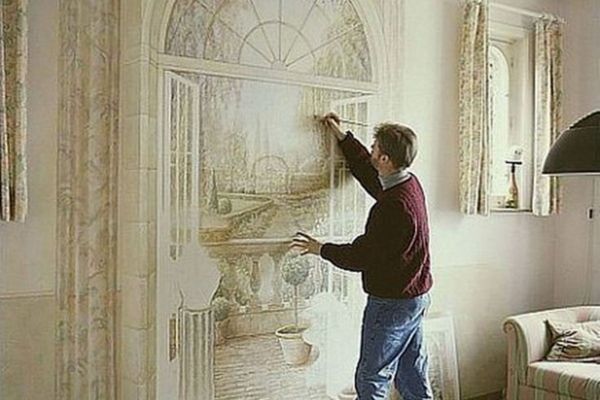

Step-by-step guide to paint a wall mural
Easy Wall Mural Painting Tutorial for beginners
Step 1
Pick a small, reachable wall area for your mural.
Step 2
Choose a fun theme and draw a few sketch ideas on your paper.
Step 3
Mark the mural outline on the wall with painter's tape to make a clean border.
Step 4
Spread the drop cloth on the floor beneath the mural area to protect the room.
Step 5
Wipe the wall with a damp cloth to remove dust and dirt.
Step 6
Wait until the wall is completely dry before you paint.
Step 7
Choose your paint colors and mix any new shades on your palette or paper plate.
Step 8
Lightly copy your paper sketch onto the wall with your pencil.
Step 9
Paint a base coat or background color inside the taped area using broad brush strokes.
Step 10
Wait until the base coat is fully dry before adding more paint.
Step 11
Use stencils and brushes to paint the main shapes and large areas from your sketch.
Step 12
Wait until the main painted shapes are dry so the colors do not smudge.
Step 13
Add fine details and color blends with smaller brushes and sponges.
Step 14
Remove the painter's tape slowly to reveal neat edges.
Step 15
Share your finished creation on DIY.org.
Help!?
What can I use instead of painter's tape or a commercial drop cloth if I don't have them?
Use low-tack masking tape or folded painter's paper to mark the mural outline and protect the floor with an old sheet, kraft paper, or taped-together cardboard as your drop cloth while you paint.
My paint keeps smudging or bleeding under the tape—what should I do?
Follow the instructions to let the base coat and main shapes fully dry, press tape edges firmly before painting, apply thinner layers, and use a fan or hairdryer on low to speed drying before you remove the painter's tape slowly.
How can I adapt the mural activity for a 3-year-old, a 7-year-old, and a 13-year-old?
For a 3-year-old, simplify the sketch and let them use washable tempera and sponges for large base coats while an adult handles the pencil outline and tape; for a 7-year-old, let them lightly copy the paper sketch onto the wall and mix colors on a paper plate; for a 13-year-old, encourage detailed pencil sketches, color blending with small brushes, stencils, and mixing new shades on the palette.
How can we extend or personalize the mural after finishing the basic steps?
After removing the painter's tape, add fine details with metallic or glow-in-the-dark paint, apply texture with sponges during the 'Add fine details' step, seal the work with a clear acrylic sealer, and then photograph and share your finished creation on DIY.org.
Watch videos on how to paint a wall mural
SIMPLE Mural Everyone Can Do in 1 Day | Step-by-Step Tutorial
4 Videos
SIMPLE Mural Everyone Can Do in 1 Day | Step-by-Step Tutorial

Learn How to Paint Murals Like A Pro | Like A Pro | HGTV Handmade
Paint a HUGE Mural | How in 5 Easy Steps *Mural Tutorial

Mural Tutorial For Beginners (Step-By-Step)
Facts about mural painting for kids
🎨 Murals have been painted for thousands of years — from prehistoric cave paintings to bright city walls today.
🧪 Mixing two primary paints (red, yellow, blue) makes a secondary color like orange, green, or purple.
🖌️ Washable, water-based paints used for kids make cleanup easy and are much safer than solvent-based paints.
✂️ Stencils let you repeat shapes and patterns quickly, helping you make crisp, identical designs across a wall.
👥 Many murals are team projects: planning, sketching, and painting together builds creativity and cooperation.
How do I help my child design and paint a small wall mural?
What materials are needed to paint a kid-friendly wall mural?
What ages is painting a small wall mural suitable for?
What are the benefits, safety tips, and variations for painting a mural with kids?
