Craft a cool collage
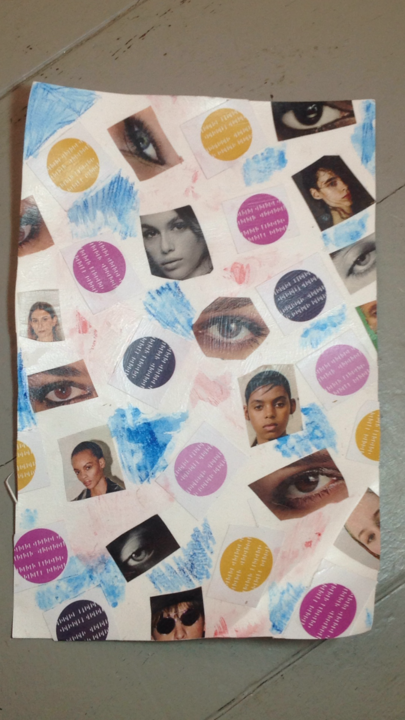
Create a colorful collage using magazines, recycled materials, scissors, and glue. Arrange shapes, textures, and themes to express ideas and practice composition.
About this activity
Create a colorful collage using magazines, recycled materials, scissors, and glue. Arrange shapes, textures, and themes to express ideas and practice composition.
What you need
Step by step
- 1
Step 1
Place your large sheet of paper or thin cardboard on a clean flat table.
- 2
Step 2
Arrange your magazines recycled materials scissors glue and colouring materials within easy reach.
- 3
Step 3
Choose a theme or idea for your collage such as nature space friends or a favorite color.
- 4
Step 4
Look through magazines to find pictures patterns or colors that match your theme.
- 5
Step 5
Put each chosen picture or pattern into a small pile.
- 6
Step 6
Cut out the pictures and shapes from the magazines carefully using scissors.
- 7
Step 7
Arrange the cut pieces on the base to create a layout without gluing.
- 8
Step 8
Move pieces around until you like the composition and balance.
- 9
Step 9
Tear or cut small bits from recycled materials to add texture to your design.
- 10
Step 10
Place the textured bits into your layout where they look best.
- 11
Step 11
Glue down the pieces by starting with the background layer and working forward.
- 12
Step 12
Press each glued piece flat with your fingers or a ruler so it sticks well.
- 13
Step 13
Use colouring materials to add small details borders or accents if you want.
- 14
Step 14
Let the collage dry flat for at least 15 minutes.
- 15
Step 15
Sign your name and ask an adult to help you share your finished collage on DIY.org.
Fun facts
How do I help my child create a colorful collage step-by-step?
Start by picking a theme or color palette together. Gather magazines, recycled papers, fabric scraps and a sturdy base (cardstock or cardboard). Let your child cut or tear images and shapes, then arrange pieces without glue until they like the layout. Once happy, glue pieces from background to foreground, press flat, and add details (markers, stickers, textured bits). Allow to dry fully and display proudly.
What materials do I need to make a collage with magazines and recycled items?
Collect old magazines, newspapers, colored paper, cardboard, fabric scraps, and textured recyclables like bottle caps or ribbon. Use child-safe scissors, glue sticks for little hands, and stronger white glue for heavier bits. A firm base (cardstock, poster board, or small canvas), pencil, and optional markers, stickers, and tape finish the kit. Add an apron or mat to protect surfaces.
What ages is a magazine collage suitable for?
Collage is flexible by age: toddlers (2–3) can tear paper and stick with supervision; preschoolers (3–5) handle glue sticks and practice simple cutting; early elementary (6–8) refine scissor skills and explore composition; older kids (9+) can plan themes, use layered textures, and add mixed-media details. Always supervise sharp tools and small objects for safety.
What are the benefits of making collages with recycled materials?
Collage boosts creativity, fine motor skills, and visual composition while teaching resourcefulness and environmental awareness. Children practice decision-making as they choose shapes and textures, build storytelling skills by arranging images, and gain confidence displaying finished work. Using recycled materials also encourages sustainability habits and problem-solving as kids repurpose items in new ways.
Watch & Learn
Need help?
What can we use instead of magazines or thin cardboard if we don't have them?
If you don't have magazines, use junk mail, printed photos, wrapping paper, or fabric scraps for the 'Look through magazines' step, and replace thin cardboard with a cereal box or unused manila folder as your base.
My cut pieces keep sliding and won't stick—what should I do?
If pieces slide during the 'Glue down' step, use a glue stick or double-sided tape, press each glued piece flat with a ruler as the instructions say, and let the collage dry longer than the recommended 15 minutes.
How can I adapt this collage activity for different age groups?
For younger children, provide larger pre-cut pictures and supervise the 'Cut out the pictures' step, while older kids can add fine details with colouring materials and experiment with layered recycled materials for texture.
How can we make the collage more special or challenging?
To enhance the project, incorporate 3D recycled bits for texture, paint borders or accents with your colouring materials, and frame or laminate the finished piece before signing your name and sharing on DIY.org.