Create an animation pitch book
Design and assemble an animation pitch book with character sketches, storyboards, a short synopsis, color palette, and sample frames to present your idea.


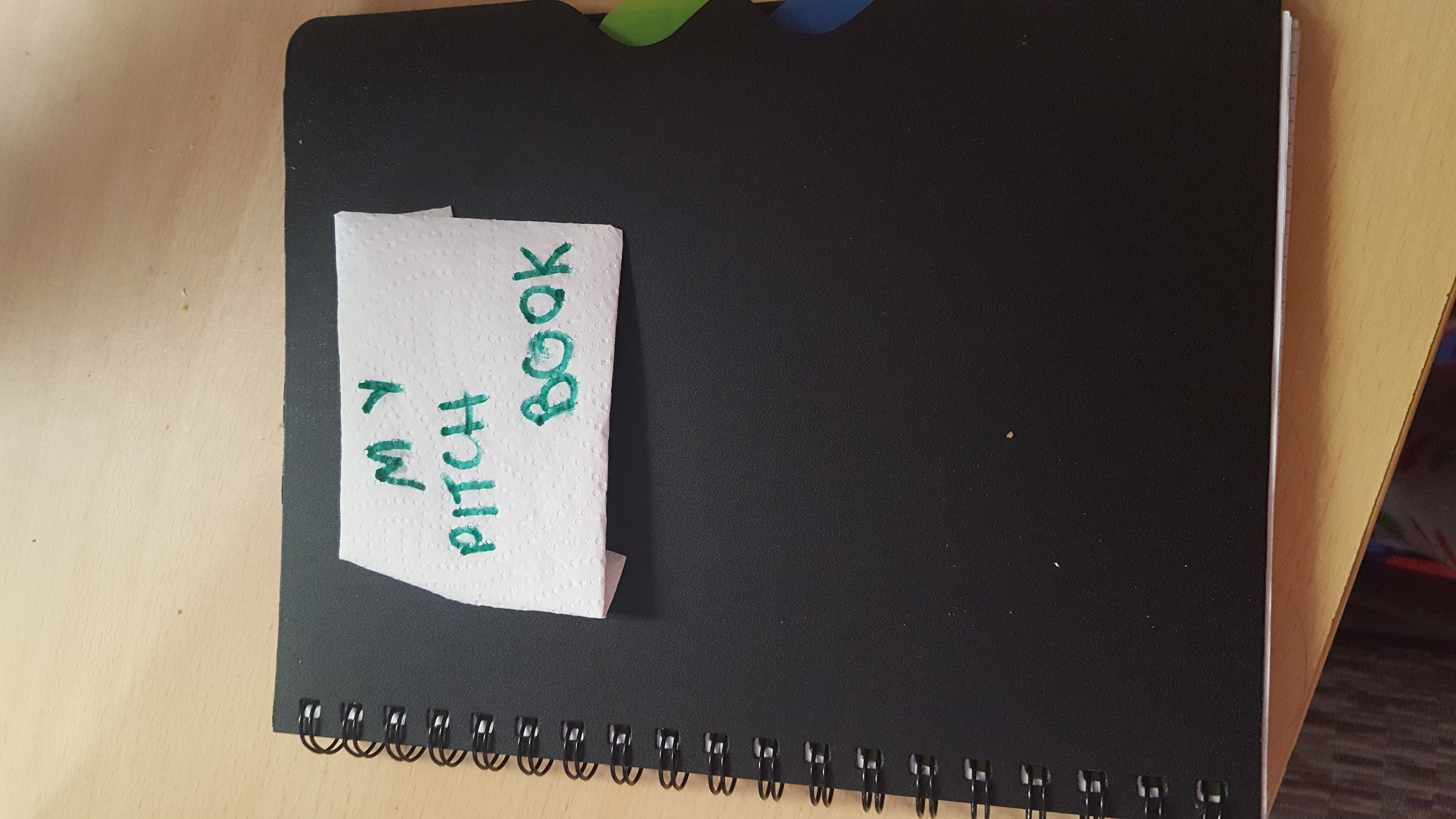

Step-by-step guide to create an animation pitch book
Step 1
Gather all the materials listed and set them on a clear workspace.
Step 2
Give your animation a short title and write a one-sentence logline that explains the main idea.
Step 3
Draw at least three character sketches of your main character showing different poses or expressions.
Step 4
Create a color palette by choosing four to six colors and making small swatches for each color.
Step 5
Write a three to four sentence synopsis that explains the beginning middle and end of your story.
Step 6
Plan a six-panel storyboard by drawing boxes and sketching the key beats of the story in each box.
Step 7
Draw three sample frames that show important moments or camera angles from your animation.
Step 8
Make a character turnaround by drawing your character from front side and back views.
Step 9
Use sticky notes or index cards to jot down important character traits motivations and key lines.
Step 10
Put your pages in the order you want someone to read your pitch.
Step 11
Number each page in the top corner with a pencil or pen.
Step 12
Add captions and short notes on each page to explain actions emotions and camera directions.
Step 13
Assemble all pages into your folder binder or staple them to make your pitch book.
Step 14
Share your finished animation pitch book on DIY.org
Help!?
If I don't have sticky notes, index cards, a folder/binder, or colored markers, what can I use instead?
If you don't have sticky notes or index cards use torn squares of printer paper for the notes, swap a cereal box or manila envelope for the folder/binder, and use colored pencils or a phone photo of mixed paint to make your four-to-six color palette swatches.
What should I do if my six-panel storyboard looks confusing or the key beats don't read clearly?
If the six-panel storyboard's beats are confusing, redraw larger boxes on fresh paper, add short captions and camera directions on each panel as the instructions say, and number the pages to clarify the reading order before you assemble the pitch book.
How can I adapt this activity for younger children or for older kids who want more challenge?
For younger children simplify to three big storyboard panels, use stickers or crayons for the color palette and have them dictate a one-sentence logline, while older kids can add detailed camera angles, timing notes for each sample frame, and a character backstory page.
How can I make my pitch book more impressive or personalized beyond the listed steps?
To enhance your pitch book, create a two-page mood board, scan your three sample frames and assemble a short animatic on your phone, then include that link or QR code inside the folder before you share it on DIY.org.
Watch videos on how to create an animation pitch book
Easy Animation Method: Create Stunning Animations in Minutes! | Beginner-Friendly Tutorial
4 Videos
Easy Animation Method: Create Stunning Animations in Minutes! | Beginner-Friendly Tutorial
How to make a Flip Book Animation
How To Create Animated Stories in Canva | Step-by-Step Tutorial
How to Make a FLIPBOOK for Beginners!
Facts about animation and storyboarding for kids
🎬 Storyboarding was popularized at Walt Disney Studios in the early 1930s to help plan animated shorts.
🧍♂️ Strong character silhouettes make characters recognizable even at a tiny size — great for quick sketches in a pitch book.
🎨 A color palette can change a whole story's mood — warm palettes feel energetic, cool palettes feel calm or mysterious.
⏱️ Animatics (timed storyboards) let creators test pacing and timing before drawing every frame, saving lots of work.
📚 Many successful shows and films began as simple pitch books or bibles that showed character designs, worlds, and sample frames.
How do I make an animation pitch book with character sketches, storyboards, a synopsis, color palette, and sample frames?
What materials do I need to make an animation pitch book?
What ages is creating an animation pitch book suitable for?
What are the benefits of making an animation pitch book for kids?
