Build a Cute DIY Cat House!
Build a cozy, cute cat house from cardboard, scissors, tape, and paint; measure, cut with supervision, and decorate for your pet's comfy hideaway.
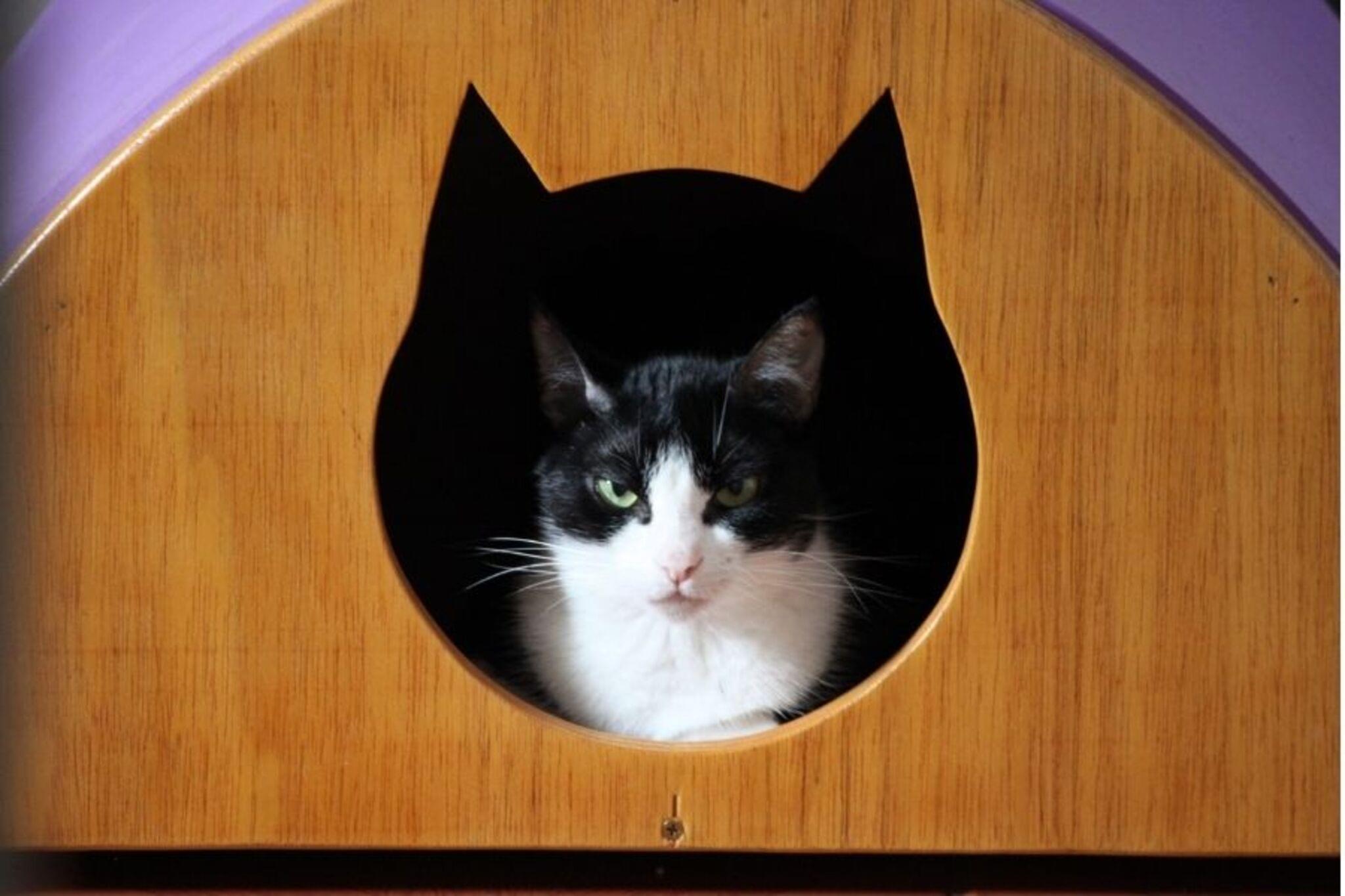
About this activity
Build a cozy, cute cat house from cardboard, scissors, tape, and paint; measure, cut with supervision, and decorate for your pet's comfy hideaway.
What you need
Step by step
- 1
Step 1
Find a large cardboard box and set it on a clean flat surface.
- 2
Step 2
Measure your cat's width with the ruler and write the number down.
- 3
Step 3
Measure your cat's height with the ruler and write the number down.
- 4
Step 4
Draw a door rectangle on one side of the box using the ruler and pencil that is 1 to 2 inches larger than your measurements.
- 5
Step 5
With an adult supervising cut out the door shape from the box using scissors.
- 6
Step 6
Tape around the cut edges and all box corners to make the house sturdy.
- 7
Step 7
Fold the top flaps to shape a roof or cozy top for the house.
- 8
Step 8
Tape the roof flaps securely so the roof stays in place.
- 9
Step 9
Paint or colour the outside of the box with your chosen colors.
- 10
Step 10
Wait until the paint or colouring is completely dry.
- 11
Step 11
Add decorations like stickers or drawings to make the house cute.
- 12
Step 12
Place the soft towel or small cushion inside the box for comfort.
- 13
Step 13
Put the cat house where your cat likes to nap.
- 14
Step 14
Share a photo and description of your finished cat house on DIY.org.
Fun facts
How do I build a cute DIY cat house from cardboard?
Start by measuring your cat for height and entrance size. Draw a simple box or igloo shape on sturdy corrugated cardboard, then cut pieces with adult supervision. Tape or glue seams securely, leaving a stable floor and doorway. Add ventilation holes, reinforce edges with extra cardboard, and line the inside with a soft cushion or towel. Finish by decorating with non-toxic paint or markers and let it dry before letting your cat explore.
What materials do I need to make a cozy cardboard cat house?
Gather corrugated cardboard (large boxes), a ruler and marker for measuring, scissors and a craft knife (adult use), strong packing tape or wood glue, and a soft cushion or old towel for bedding. For decorating, use non-toxic paint or washable markers and optional stickers. You might also want extra cardboard for reinforcements, a hot glue gun (adult only), and sandpaper to smooth rough edges. Recycled boxes work great.
What ages is building a cardboard cat house suitable for?
This activity suits children aged about 5 and up with close adult supervision for measuring and cutting. Kids 5–7 can help trace, decorate, and stuff the bedding; ages 8–12 can take on more of the construction like taping panels together with guidance. Toddlers can join for simple decorating tasks. Always have an adult handle sharp tools, hot glue, and any strong adhesives.
What are the benefits and safety tips for making a DIY cat house?
Making a cat house boosts creativity, measuring and cutting skills, and responsibility for pet care while strengthening parent-child bonding. For safety, have adults do all cutting and hot-glue work, choose non-toxic paints and materials, avoid small parts that cats could swallow, and ensure good ventilation. Smooth rough edges, reinforce the structure, and let paints fully dry before introducing your pet to the new cozy hideaway.
Watch & Learn
Need help?
What can we use if we don't have a large cardboard box or scissors?
Instead of a large cardboard box, tape two medium boxes together to reach the size you need, and if you don't have scissors ask an adult to cut the penciled door rectangle with a box cutter while you hold the ruler line.
What should we do if the door rips or the box seems wobbly after cutting and folding the roof?
If the door rips or the house feels unstable when you fold the top flaps, reinforce it by taping around the cut edges and all box corners and by taping extra cardboard strips along the inside of the roof flaps before you tape the roof flaps securely.
How can we adapt this activity for different ages?
For younger kids have an adult do the measuring and cut the door (steps 2–6) while the child paints and decorates, and for older kids let them measure with the ruler, cut with supervision, design the paint job, and add detailed stickers.
How can we extend or personalize the cat house beyond the basic steps?
Personalize and extend the house by cutting a small window next to the door, taping on a cardboard porch or stacking a second box before securing the roof flaps, lining the inside with the towel plus a catnip pouch, and painting your cat's name on the outside before sharing on DIY.org.