Create a calm space
Design and build a calming corner using pillows, soft lighting, favorite books, quiet toys, and a sensory calm box to relax and breathe.
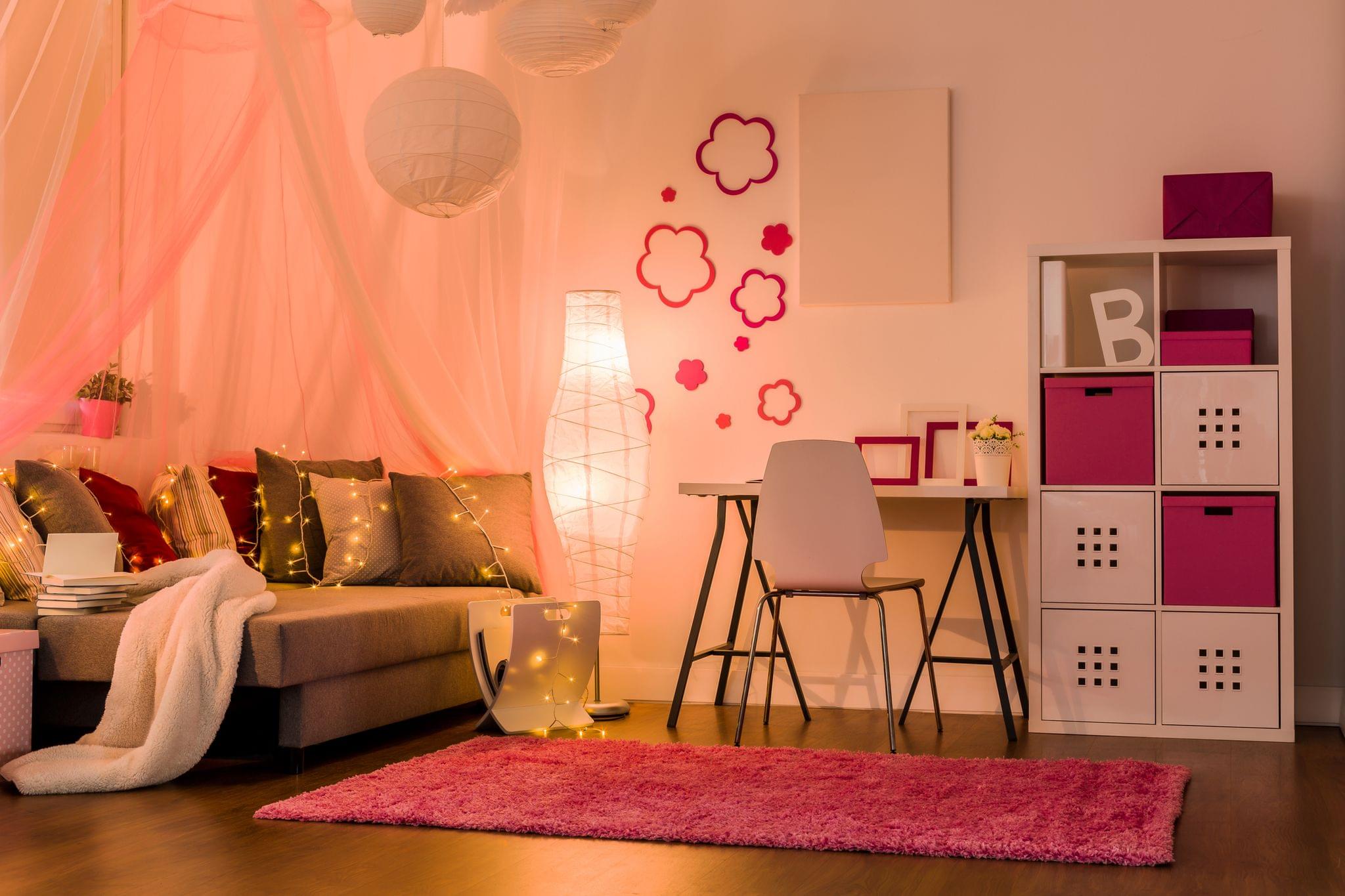
About this activity
Design and build a calming corner using pillows, soft lighting, favorite books, quiet toys, and a sensory calm box to relax and breathe.
What you need
Step by step
- 1
Step 1
Choose a quiet corner in your home where you want your calming space.
- 2
Step 2
Ask an adult to help move any toys or clutter out of that corner.
- 3
Step 3
Spread the soft blanket on the floor inside the corner.
- 4
Step 4
Arrange the pillows on the blanket to make a cozy nest.
- 5
Step 5
Place the string lights or small lamp near the corner so the light will be soft.
- 6
Step 6
Ask an adult to plug in or turn on the lights.
- 7
Step 7
Put your favorite books in the corner in a small stack.
- 8
Step 8
Choose three quiet toys and place them where you can reach them easily.
- 9
Step 9
Put the empty box or shoebox on a table to make your calm box.
- 10
Step 10
Fill the box halfway with your chosen filler material.
- 11
Step 11
Add the small sensory objects into the box.
- 12
Step 12
Decorate the box with labels or stickers that say Calm Box.
- 13
Step 13
Put the calm box inside your calming corner where it is easy to grab.
- 14
Step 14
Sit in your calming corner and take five slow deep breaths to relax.
- 15
Step 15
Share a photo and a short description of your finished calming corner on DIY.org
Fun facts
How do I set up a calming corner where my child can relax and breathe?
Choose a quiet corner with low traffic and soft lighting. Lay a rug and arrange pillows and a cozy blanket for comfort. Add a small bookshelf with favorite books and a basket of quiet toys. Place a sensory calm box filled with fidget toys, a soft fabric, and a simple breathing prompt (like a glitter jar or visual timer). Introduce the space calmly, model deep breathing, and set short practice times so your child learns to use it when upset or overstimulated.
What materials do I need to design a calming corner and make a sensory calm box?
Gather comfy items: floor pillows, a small rug, a soft blanket, and warm or dimmable lighting (lamp or string lights). Add favorite books, quiet toys, and a small shelf or basket. For a sensory calm box use a sturdy container with fidgets (squeeze ball, textured toys), a small plush, a scented sachet (optional), a visual timer or glitter jar, and safe tactile items. Choose non-toxic, age-appropriate pieces and avoid loose small parts for young children.
What ages is a calming corner suitable for?
Calming corners work for toddlers through teens with age-appropriate changes. For toddlers (1–3), keep soft, large items and supervise closely to avoid choking hazards. Preschool and school-age children (3–10) enjoy books, sensory boxes, and guided deep-breathing prompts. Older kids and teens benefit from a private, cozy nook with headphones, journals, and coping cards. Tailor tools and rules to development and independence, and always check safety for younger children.
What are the benefits of a calming corner and how can I keep it safe?
A calming corner teaches self-regulation, reduces anxiety, and builds coping skills by offering a predictable place to pause and breathe. It supports emotional awareness and focus when used regularly. To keep it safe, choose sturdy, flame-resistant textiles, avoid small detachable parts for young children, secure lighting cords out of reach, and supervise toddlers. Rotate items to maintain interest and review rules so the corner stays a calm, trusted resource.
Watch & Learn
Need help?
What can we substitute if we don't have string lights, a soft blanket, or small sensory objects?
Use a flashlight or battery tea lights covered with a thin cloth for soft light, swap the soft blanket for a large towel or sweatshirt, and replace small sensory objects with large coins, smooth stones, or cotton balls in the calm box.
What should we do if the calming corner still feels messy or the lights are a tripping hazard?
Ask an adult to help move toys out and tuck cords behind furniture or use battery-powered lights, and rearrange pillows on the blanket so the nest is snug and the path in and out is clear.
How can we adapt the steps for different ages?
For toddlers have an adult do steps like plugging in lights and filling the calm box with big, safe objects and fewer choices, for school-age kids let them arrange pillows, choose three quiet toys, and decorate the box, and for teens encourage personal touches like a journal, headphones, or mood lighting.
How can we extend or personalize the calming corner after completing the basic steps?
Add a feelings chart on the wall, make calm-box refill packs of sensory items, include a small playlist or white-noise device near the lamp, and customize the Calm Box label and book selection before sharing the photo on DIY.org.