Hunt for edible mushrooms
Go on a supervised mushroom hunt using a field guide, photograph and identify fungi, record locations, and only eat mushrooms confirmed safe by an expert.
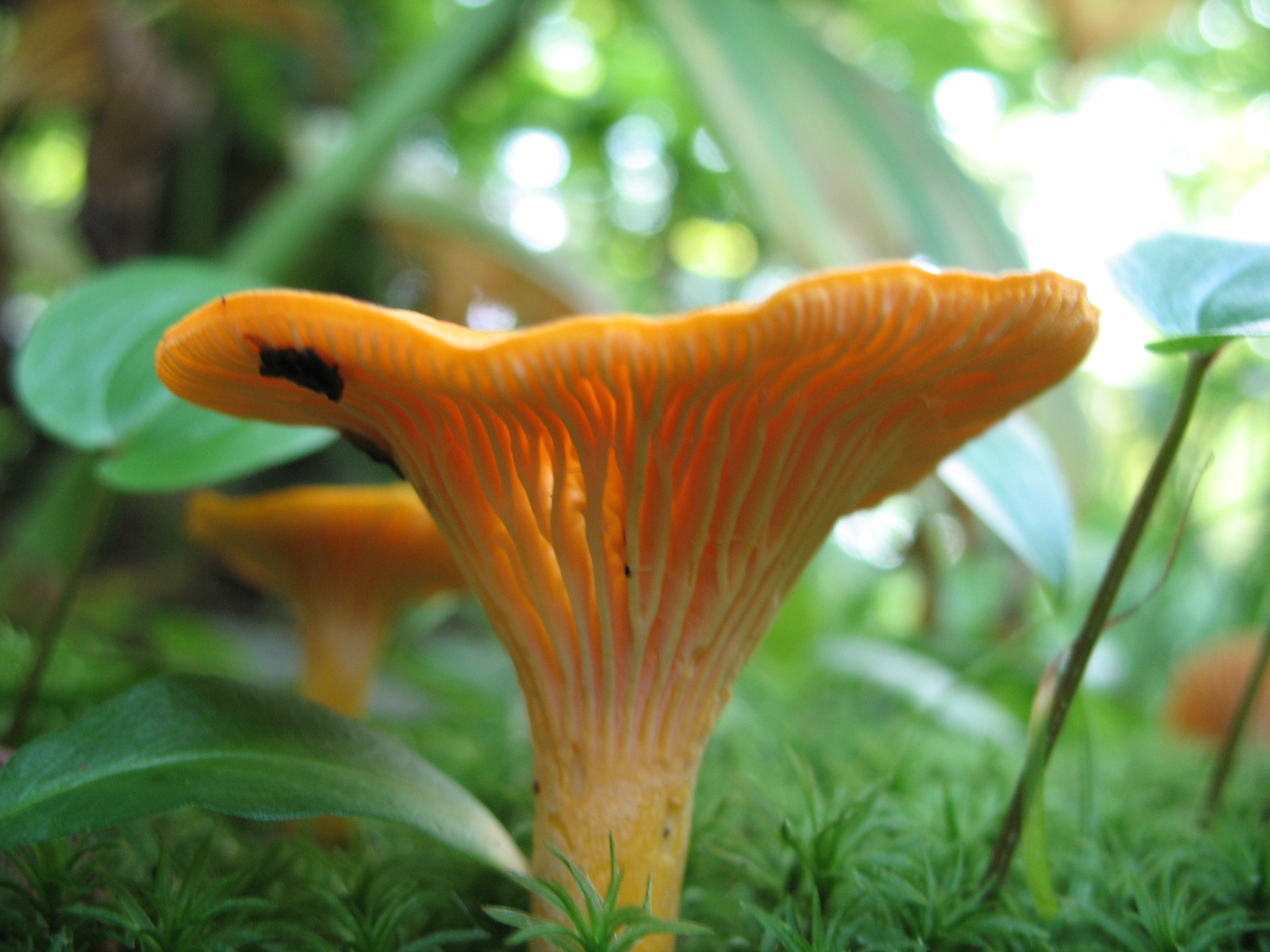
About this activity
Go on a supervised mushroom hunt using a field guide, photograph and identify fungi, record locations, and only eat mushrooms confirmed safe by an expert.
What you need
Step by step
- 1
Step 1
Collect your field guide; notebook; pencil; basket or paper bag; small knife; and map or compass and put them in one place.
- 2
Step 2
Ask a grown-up to come with you and agree on a safe time and place for the mushroom hunt.
- 3
Step 3
Read the field guide pages about poisonous mushrooms and the key ID features with the grown-up.
- 4
Step 4
Put on closed-toe shoes and long pants to protect your feet and legs.
- 5
Step 5
Walk to the chosen location with the grown-up and stay within sight of them at all times.
- 6
Step 6
When you spot a mushroom, take clear photos of it from above and from the side before touching it.
- 7
Step 7
Write the mushroom’s location in your notebook using a map reference or nearby landmarks and note the date.
- 8
Step 8
With the grown-up’s help cut a small sample from the base of the mushroom and place it in your basket for ID only.
- 9
Step 9
Do not taste or eat any wild mushroom at any time.
- 10
Step 10
Wash your hands or use hand sanitizer after handling mushrooms.
- 11
Step 11
Show your photos and samples to a local mushroom expert or mycology group and get clear written confirmation before you ever consider eating one.
- 12
Step 12
Share your mushroom photos notes and what you learned on DIY.org.
Fun facts
How do I conduct a supervised edible mushroom hunt with my child?
To do a supervised edible mushroom hunt, plan with an experienced forager or mycologist and choose a known safe area. Walk together, use a field guide or identification app, photograph specimens (top, gills, stem, underside) and note habitat and GPS/location. Collect samples in separate paper bags, avoid tasting or eating anything in the field, record notes, and only eat mushrooms confirmed safe by an expert. Review findings with the expert before consuming.
What materials do I need for a family mushroom hunt?
Bring a regional mushroom field guide or identification app, smartphone or camera for photos, notebook and pen or phone for notes, GPS or phone for locations, paper bags and a small knife for clean cuts, gloves, magnifying lens or hand lens, sturdy shoes and weather-appropriate clothing, hand sanitizer, and water. Include contact info for a local mycologist or extension service. Never use plastic bags and don’t eat anything without expert confirmation.
What ages is a supervised mushroom hunt suitable for?
This activity suits preschoolers (2–4) for simple nature walks with adult guidance, ages 5–7 for hands-on observing and photographing with supervision, and 8+ for taking notes, using a field guide, and helping record locations. Adapt tasks to attention span and motor skills, keep all handling supervised, and never allow tasting. For any child, an adult or expert should make final identification and decisions about safety before consumption.
What safety steps should families follow when foraging mushrooms?
Safety first: never eat a wild mushroom unless a qualified expert confirms it. Keep children within arm’s reach, wear gloves and closed-toe shoes, avoid touching unknown species, and teach kids to photograph rather than taste. Label and separate collected specimens in paper bags, record exact locations and habitat notes, and consult a local mycologist, extension service, or experienced forager for verification. Carry a first-aid kit, know local poisonous species, and follow local picking regulat
Watch & Learn
Need help?
What can we use if we don't have the small knife or a basket from the materials list?
If you don't have the small knife or basket from the instructions, use clean scissors or a pocket mushroom blade with a grown-up's permission and place samples in separate paper bags or a ventilated rigid container instead of a basket.
What should we do if our photos are blurry or we're afraid of cutting the mushroom wrong?
If photos are blurry or you're worried about cutting, have the grown-up steady the camera and take several clear photos from above and the side (include a ruler for scale), and cut only a tiny sample from the base as the instructions say.
How can we adapt the hunt for different ages?
For younger children skip cutting and focus on taking photos and drawing in the notebook with landmark-based location notes, while older kids can use the map or compass, read the field guide's poisonous-mushroom pages with the grown-up, and record precise map references.
How can we extend or personalize the mushroom-hunting activity after the hunt?
To extend the activity, compile your notebook notes and photos into a labeled DIY.org project or a laminated find-map with dates and then show samples and photos to a local mycology group for written IDs as instructed.