Forage for wild greens
Go on a guided walk to identify and safely collect common edible wild greens, then wash and sample a small tasting with adult supervision.
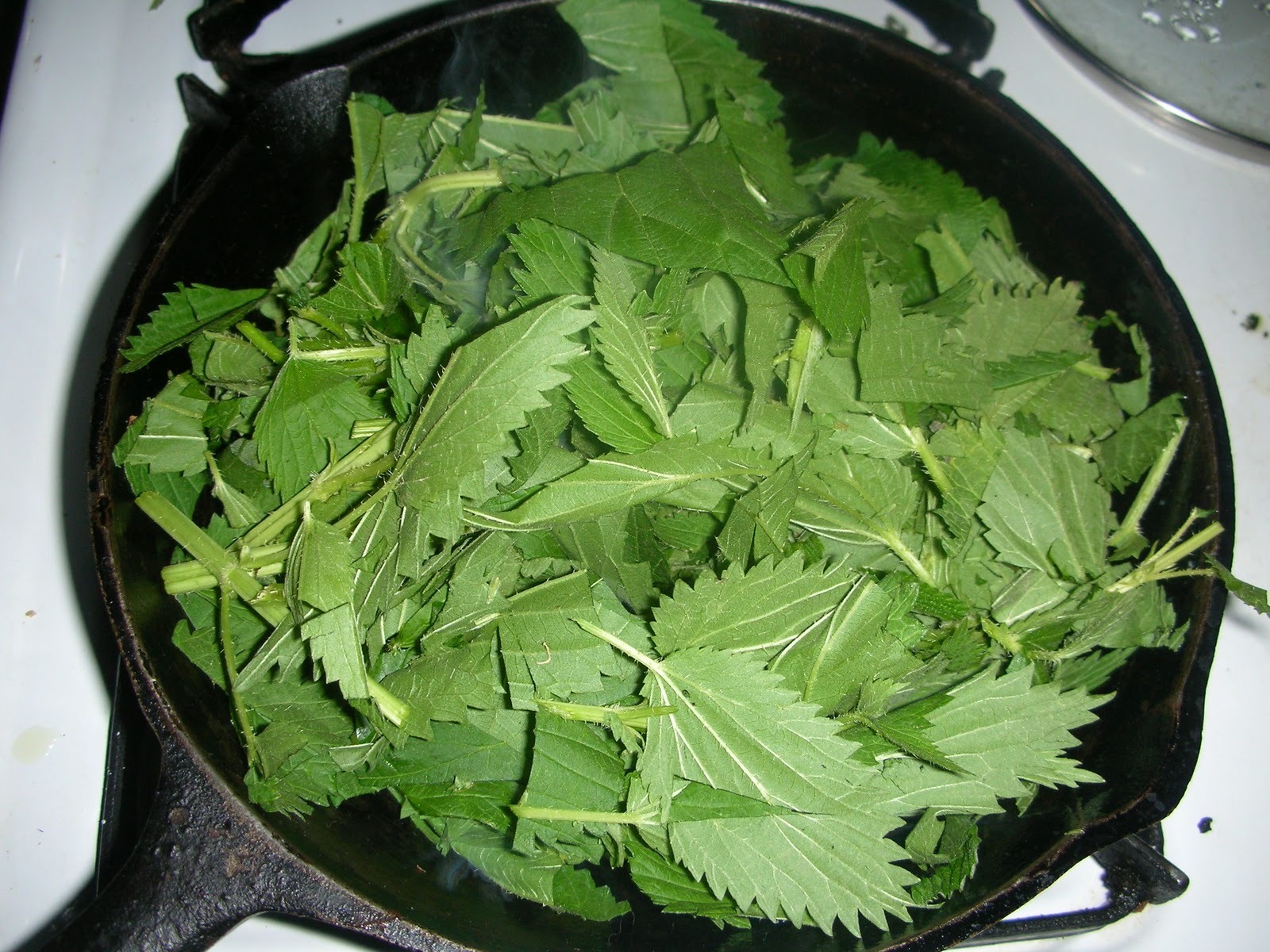
About this activity
Go on a guided walk to identify and safely collect common edible wild greens, then wash and sample a small tasting with adult supervision.
What you need
Step by step
- 1
Step 1
Gather all the Materials Needed and put on comfy shoes for a walk.
- 2
Step 2
With your adult, choose a safe nearby spot to forage away from busy roads treated lawns and places pets visit.
- 3
Step 3
Use the field guide or plant ID app with your adult to pick two or three local edible plants you will try to find.
- 4
Step 4
Ask your adult if you have any known food allergies and get their permission before you taste anything.
- 5
Step 5
Walk slowly with your adult along the chosen spot and look carefully for the plants you learned about.
- 6
Step 6
When you find a plant, compare every feature to the guide photos and only proceed if it is a perfect match.
- 7
Step 7
Gently take only a few young leaves from the plant and place them in the paper bag leaving most of the plant intact.
- 8
Step 8
Write the plant name and where you found it on the paper bag with the pen or marker.
- 9
Step 9
Wash your hands with soap and water before handling the leaves at home.
- 10
Step 10
Rinse the leaves in a bowl of cold water to remove dirt and tiny bugs.
- 11
Step 11
Pat the leaves dry with the clean towel or let them air dry on the towel.
- 12
Step 12
Put one very small leaf on a clean plate and have the adult taste a tiny piece first and wait 15 minutes while watching for any reaction.
- 13
Step 13
If the adult has no reaction, take a tiny bite yourself and wait 15 minutes while the adult watches for any signs of allergy.
- 14
Step 14
If there is no reaction after tasting, enjoy a small sample of your wild greens.
- 15
Step 15
Share your finished discovery and what you learned on DIY.org.
Fun facts
How do I lead a guided forage walk for wild edible greens with my child?
Start by researching common safe local greens and a reliable field guide or app. Choose a short, low-risk route and set clear rules: only pick plants you identify together, never taste until an adult checks, and avoid roadsides or contaminated soils. Show children key ID features and look-alikes, collect small samples in paper bags, wash thoroughly at home, and do a very small supervised taste test. Bring water, first aid, and model cautious behavior throughout.
What materials and tools do I need to safely forage wild greens with kids?
You'll need a reliable field guide or plant ID app, paper bags or baskets, cutting shears or scissors, gloves, a magnifying lens, clean water and a container for washing, hand sanitizer, wet wipes, sunscreen, hats, a first-aid kit, and your phone with emergency contacts. Optional: a printed species list, permits if required, and small containers for samples. Avoid plastic bags for greens; paper or breathable containers keep plants fresher.
What ages are suitable for a foraging walk, and how can activities be adapted for different ages?
Suitable ages vary: toddlers (2–4) enjoy sensory exploration while closely supervised; preschoolers (3–5) can learn simple names and help point out plants; school-aged children (6–12) can participate in ID, safe picking, and small tastings under supervision; teens can take more responsibility learning ethics and mapping. Adapt by simplifying tasks, using games or scavenger hunts, keeping walks short for young children, and always enforcing no-eating rules until an adult checks each plant.
What safety precautions should parents take when foraging wild greens with children?
Safety first: only forage plants you can confidently identify with a trusted guide, avoid roadsides, industrial areas, or polluted waterways, and check local rules or permits. Keep children away from unknown plants and teach them to never eat anything without adult approval. Wash all greens thoroughly, do a tiny supervised taste test for allergies, carry a first-aid kit, check for ticks after the walk, and have emergency contacts handy.
Watch & Learn
Need help?
What can we use instead of a field guide or plant ID app if we can't find one?
If you don't have a field guide or plant ID app for Step 3, print photos from a local library book or use your county extension office's online plant pages to compare while foraging.
What should we do if we're not sure a plant perfectly matches the guide before picking it?
If a plant doesn't perfectly match the guide photos in Step 6, do not pick or taste it and instead take clear photos for your adult to check and consult a second ID source before placing any leaves in the paper bag.
How can we adapt this activity for younger or older children?
For younger kids, make Steps 4–9 a supervised scavenger walk where the adult points out plants and handles bagging, washing, and the first tiny taste, while older kids can independently use the field guide/app, label bags with the pen, and post findings on DIY.org.
How can we extend or personalize the foraging activity after we collect the greens?
Extend the activity by making a nature journal with photos and the pen-labeled paper bags, mapping where each plant was found, and testing a simple sample recipe with the rinsed leaves to share on DIY.org.