Make the cardboard puzzle box
Construct a cardboard puzzle box with sliding panels and hidden compartments using recycled cardboard, scissors, glue, and decorations to challenge friends and learn problem solving.


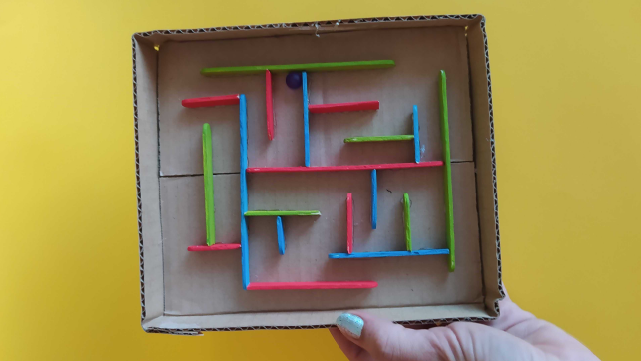

Step-by-step guide to make a cardboard puzzle box
Step 1
Gather all your materials and clear a flat workspace.
Step 2
Use the ruler and pencil to draw a box base a set of four side panels a lid area two sliding lid panels and a false-bottom piece on the cardboard.
Step 3
Cut out every shape you drew on the cardboard.
Step 4
Score and fold the side panels at the edges so the walls bend up easily.
Step 5
Glue the folded side panels to the base to form the box shell.
Step 6
Glue thin cardboard strips inside the top edges of two opposite walls to make rails for the sliding lid panels.
Step 7
Cut two lid panels sized to fit between the rails with one panel about 1 cm longer so they can overlap when sliding.
Step 8
Insert the two lid panels into the rails so they sit between the strips and can move.
Step 9
Trim any rough edges on the lid panels so they slide smoothly.
Step 10
Glue small cardboard strips a little above the base inside the box to create ledges for a false bottom.
Step 11
Cut the false-bottom piece to the exact size that will sit on the ledges.
Step 12
Slide the false-bottom into place to make a hidden compartment inside the box.
Step 13
Attach a small paper tab or pull to one sliding panel so friends can open the puzzle more easily.
Step 14
Decorate the box and write a short riddle or clue on it to challenge your friends.
Step 15
Share a photo and description of your finished cardboard puzzle box on DIY.org.
Help!?
What can I use if I can't find thin cardboard strips for the sliding rails?
Cut thin strips from a cereal or shoebox, fold heavy cardstock into doubled rails, or substitute thin craft foam or folded masking tape to replace the thin cardboard strips used for the rails.
The sliding lid panels are sticking—how do I fix them so they move smoothly?
Trim and sand the edges of the two sliding lid panels, slightly widen or re-glue the rails made from thin cardboard strips, and test-fit, adding a tiny paper spacer or a light rub of wax if they still catch.
How can I adapt this cardboard puzzle box activity for younger or older kids?
For younger kids, pre-cut the base, side panels and lid pieces and have them glue and decorate, while older kids can measure and cut precisely, add a more complex false-bottom mechanism, or write a tricky riddle to increase difficulty.
What are some fun ways to enhance or personalize the finished puzzle box?
Personalize the box by adding a small magnet or Velcro latch to a sliding lid panel, painting or collaging the exterior, creating multiple false-bottom layers, attaching a decorated paper pull tab, or installing a tiny LED for a secret reveal.
Watch videos on how to make a cardboard puzzle box
How to make Easy Puzzle from Cardboard
4 Videos
How to make Easy Puzzle from Cardboard
DIY Cardboard Sliding Puzzle Game with Bottle Caps | Fun & Educational Craft for Kids
Easy DIY Puzzle Craft for Kids Using Recycled Boxes!
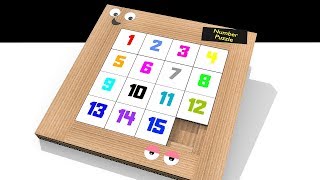
How to make easy Number Puzzle board Game from Cardboard || DIY cardboard craft game tutorial.
Facts about cardboard crafts for kids
🧩 Puzzle boxes often hide the solution in a specific sequence of moves — some traditional Japanese puzzle boxes need dozens of slides to open.
📦 Corrugated cardboard was invented in the 19th century for shipping and is a great building material because it’s lightweight yet strong.
♻️ Recycling cardboard saves space and resources — recycling one ton of cardboard can free up about 9 cubic yards of landfill space.
🔐 Hidden compartments have been used for centuries to protect treasures; in homemade puzzle boxes a secret panel is often revealed by sliding another piece.
✂️ Small tolerances matter: leaving a tiny gap (around 1–2 mm) between sliding panels helps them move smoothly without ripping the cardboard.
How do you make a cardboard puzzle box with sliding panels and hidden compartments?
What materials do I need to build a cardboard puzzle box?
What ages is this cardboard puzzle box activity suitable for?
What are the benefits of making a cardboard puzzle box?
