Add Details to Your Paper Architecture
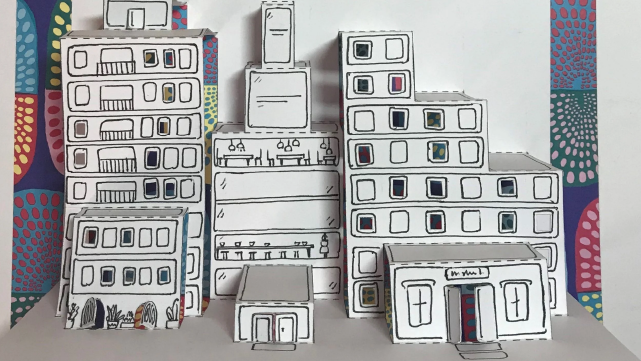
Decorate and enhance a paper building model by adding windows, doors, textures, and miniature landscaping using paper, scissors, glue, markers, and recycled materials.
About this activity
Decorate and enhance a paper building model by adding windows, doors, textures, and miniature landscaping using paper, scissors, glue, markers, and recycled materials.
What you need
Step by step
- 1
Step 1
Gather all Materials Needed and set them on a clear workspace.
- 2
Step 2
Look at your paper building model and choose which face or side to decorate first.
- 3
Step 3
Draw window and door shapes on extra paper using your pencil and ruler sized to fit the chosen side.
- 4
Step 4
Cut out the window and door shapes carefully with scissors.
- 5
Step 5
Color and decorate each cut-out window and door using your coloring materials.
- 6
Step 6
Glue each decorated window and door onto the building model in the spots you planned.
- 7
Step 7
Cut small paper strips or shapes to make textures like bricks roof tiles or awnings.
- 8
Step 8
Attach the texture pieces to the walls or roof using glue to create patterns.
- 9
Step 9
Build tiny trees benches or flower beds from recycled bits by cutting shaping and folding them.
- 10
Step 10
Glue your miniature landscaping pieces around the base of the building to create a scene.
- 11
Step 11
Add tiny finishing details like shadows curtains or pathway lines with markers for extra realism.
- 12
Step 12
Let the glue dry completely for at least 15 minutes before moving your model.
- 13
Step 13
Share your finished paper architecture creation on DIY.org
Fun facts
How do I decorate and enhance a paper building model with added details?
To add details to a paper architecture model, start by studying the base and sketching where windows, doors, and landscaping will go. Cut small shapes from paper or recycled packaging for frames, shutters, and textures. Layer thin strips for siding or roof shingles, glue pieces carefully, and use markers for shadows and trim. Make miniature trees from crumpled paper or painted cork. Work in stages, allow glue to dry between steps, and attach landscaping last.
What materials do I need to add details to a paper architecture project?
Materials include a paper building model (pre-made or homemade), assorted paper and cardstock, scissors, white craft glue and glue stick, markers and colored pencils, ruler and craft knife (adult use), cutting mat, scrap cardboard or recycled boxes for textures, small recyclables (corks, bottle caps), paint or watercolor, and optional stickers or washi tape. Keep a container for tiny scraps and tape for quick fixes, and separate materials by child age for safety.
What ages is this paper architecture decorating activity suitable for?
This activity suits ages 4+ with adult help. Ages 4–6 can glue pre-cut shapes and color, ages 7–10 can cut and layer details with supervision, and ages 11+ can design complex textures and miniature landscaping independently. Always supervise when scissors, craft knives, or small parts are involved. Adapt complexity—preschoolers use stickers and large shapes, older kids use rulers and fine cutting—to include mixed-age family crafting sessions.
What are the benefits of adding details to paper architecture?
Adding details to paper architecture builds fine motor skills, hand-eye coordination, and spatial reasoning as children cut, fold, and layer pieces. It encourages planning and problem-solving when designing windows, doors, and landscaping, and sparks creativity through textures and color choices. Using recycled materials teaches resourcefulness and environmental awareness. Collaborative projects promote communication and patience, while the hands-on STEAM approach boosts confidence as kids trans
Watch & Learn
Need help?
What can we use if we don't have glue, scissors, or a ruler for attaching and measuring the windows, doors, and textures?
If you don't have scissors, glue, or a ruler, use pre-cut shapes or stickers for windows and doors, double-sided tape or a glue stick to attach pieces, and a book spine or cereal-box edge as a straightedge for drawing with your pencil.
My cut-out windows and texture pieces keep slipping or don't fit—how can I fix that?
If cut-outs are too big, re-measure with the ruler and pencil and trim before gluing, and if textures or landscaping bits slip, use smaller glue dots, press firmly, and let the glue dry undisturbed for the 15 minutes called for in the instructions.
How can I adapt this paper architecture activity for different ages and skill levels?
For younger children offer pre-cut windows, sticker doors, and crayons for coloring, while older kids can use the ruler to draw precise window and door shapes, cut thin paper strips for brick textures, and craft detailed recycled benches as in the landscaping step.
What are some ways to extend or personalize the finished paper building beyond the basic steps?
To enhance the model, make a row of buildings by repeating the steps, place a battery tea-light behind the cut-out windows for a glow, and add extra realism by drawing pathway lines, shadows, or curtains with markers before letting everything dry.