Realistic Drawing w/ DIY Star ThuyMinh
Create a realistic pencil drawing with DIY artist ThuyMinh, practicing shading, proportions, and texture using simple pencils, eraser, and observation techniques.


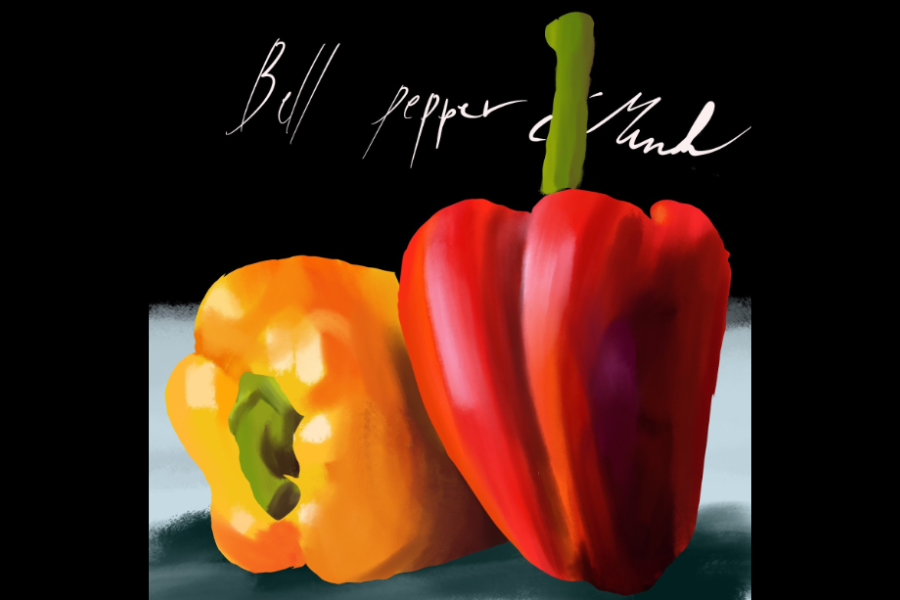
Drawing Apps
Step-by-step guide to create a realistic drawing with DIY Star ThuyMinh
Step 1
Choose a simple object or a clear reference photo and place it where you can see it easily under good light.
Step 2
Use your ruler and HB pencil to lightly draw the basic shapes and placement of the subject on your paper.
Step 3
Refine the outline by tracing over the light shapes with gentle controlled lines using the HB pencil.
Step 4
Look carefully to decide where the main light source is coming from so you know where shadows and highlights will be.
Step 5
Lightly block in the mid-tone areas with the 2B pencil using even soft strokes.
Step 6
Darken the deepest shadows with the 4B pencil to create clear contrast.
Step 7
Smooth and blend shaded areas gently with a blending stump or a cotton swab to make soft transitions.
Step 8
Lift highlights by dabbing and shaping the kneaded eraser on the brightest spots.
Step 9
Add texture details like hair strands fabric folds or tiny skin marks using small directional strokes with HB or 2B pencil.
Step 10
Hold your drawing at arm’s length to check overall proportions and balance.
Step 11
Make small corrections to lines and shading with your eraser or pencil until you are happy with the look.
Step 12
Share your finished creation on DIY.org
Help!?
What can I use instead of a blending stump, kneaded eraser, or a 4B pencil if I don't have them?
Use a rolled cotton swab or soft tissue in place of the blending stump, a soft vinyl or pointed regular eraser instead of a kneaded eraser to lift highlights, and press more or layer strokes with your 2B (or use a softer HB) to deepen shadows when you don't have a 4B while following the same shading steps.
My drawing looks flat or the proportions seem wrong—what should I fix first?
Re-measure placement with your ruler and hold the drawing at arm's length as in the instructions to correct the light HB guideline shapes before refining outlines, and boost contrast by darkening deepest shadows with the 4B and lifting highlights with the kneaded eraser to reduce flatness.
How can I adapt this activity for younger or older kids?
For younger kids simplify to one very basic object and focus on light HB outlines and gentle blending with a cotton swab, while older kids can use the ruler for precise placement, add mid-tones with 2B and deep shadows with 4B, and work on texture details and proportion checks.
How can we extend or personalize the realistic drawing project after finishing the basic steps?
Extend it by adding colored pencils or a light watercolor wash over the graphite, using the ruler grid method to copy a more complex reference, mounting or framing the heavier paper drawing, and then sharing the finished piece on DIY.org.
Watch videos on how to create a realistic drawing with DIY Star ThuyMinh
Easy 3D Star Drawing | Simple Star Sketch Tutorial
4 Videos
Easy 3D Star Drawing | Simple Star Sketch Tutorial
How to Draw a Star for Kids Easy
How To Draw A Star - Memorial Day
How to Draw a Star and Heart Shape | Easy Step by Step
Facts about pencil drawing and sketching
🎨 Kneaded erasers are artists' secret brushes — they lift graphite to create soft highlights without smudging.
✏️ Pencil leads are graded from 9H (hardest) to 9B (softest); softer leads make darker, richer shading.
👁️ Artists often use a pencil at arm's length to measure proportions and keep features accurate.
🌗 Chiaroscuro, the dramatic use of light and shadow, helped Renaissance painters make scenes look three-dimensional.
🖼️ Practicing textures (like fur, wood grain, or glass) with varied strokes and layers makes flat drawings feel real.
How do you do Realistic Drawing with DIY Star ThuyMinh?
What materials do I need for Realistic Drawing with ThuyMinh?
What ages is Realistic Drawing with DIY Star ThuyMinh suitable for?
What are the benefits and safe variations for realistic drawing?
