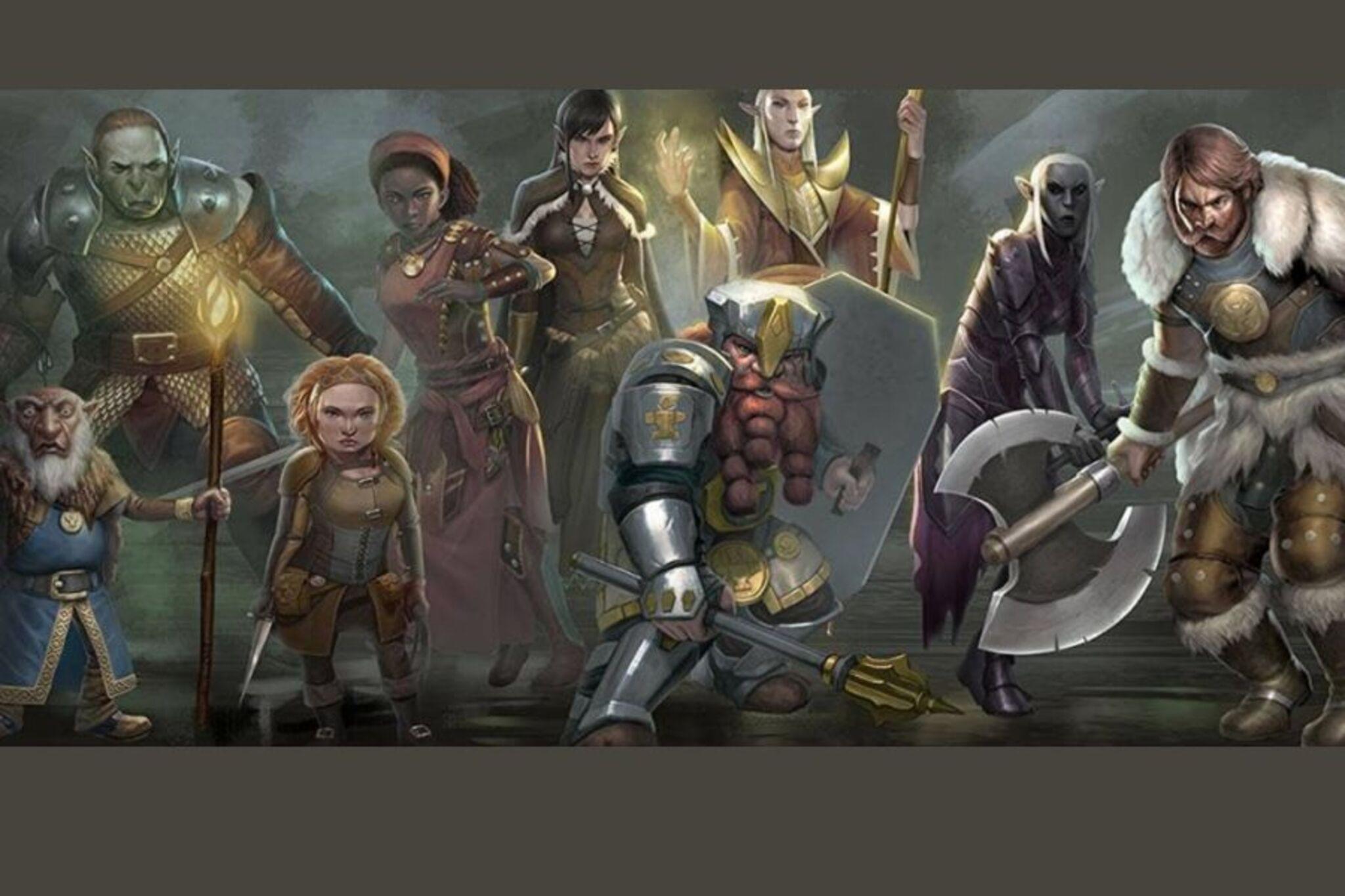
Cosplay As Your Dungeons & Dragons Character
Design and assemble a costume and safe prop to cosplay your Dungeons and Dragons character using fabric, cardboard, foam, and child-safe craft supplies.



Step-by-step guide to cosplay as your Dungeons & Dragons character
Knightcore Lookbook 🗡️Dressing as my D&D Character
Step 1
Pick which Dungeons & Dragons character you want to cosplay and name three important costume details to copy.
Step 2
Draw a simple sketch of your costume and a safe prop showing shapes and colors.
Step 3
Measure the parts of your body you need for the costume pieces such as head chest waist and arms.
Step 4
Gather the materials you need for each part and lay them out on a clear workspace.
Step 5
Make paper patterns for each costume piece and each part of the prop using simple shapes.
Step 6
Trace the paper patterns onto the fabric cardboard or foam with a pencil or marker.
Step 7
Cut out the traced pieces from fabric cardboard and foam using child-safe scissors.
Step 8
Assemble the costume base pieces by gluing or taping edges together where needed.
Step 9
Attach straps elastic or Velcro so each costume piece can be worn easily and safely.
Step 10
Build the prop core by cutting and gluing cardboard into the basic safe shape you want.
Step 11
Cover the cardboard prop with craft foam to make it soft and safe to hold.
Step 12
Secure all prop edges and costume seams with tape or glue so nothing comes loose.
Step 13
Decorate your costume and prop with colouring materials and safe embellishments to match your character.
Step 14
Share your finished costume and prop on DIY.org
Help!?
What can I use instead of craft foam if it's hard to find?
Use layered felt, thin corrugated cardboard covered with fabric, or foam board as a soft substitute when you would normally 'Cover the cardboard prop with craft foam'.
My cardboard prop keeps bending and won't hold its shape—how can I fix that?
Reinforce the prop core by gluing internal cardboard ribs or a folded cardboard tube before you 'Cover the cardboard prop with craft foam' and then 'Secure all prop edges and costume seams' with tape or glue.
How can I adapt this activity for different age groups?
For ages 3–6, adults should pre-cut patterns and let kids focus on 'Decorate' and attaching Velcro; for 7–11, supervise them measuring, tracing and cutting; and for 12+, have them draft patterns, assemble base pieces and finish seams following steps like 'Make paper patterns', 'Trace' and 'Assemble'.
How can we make the costume more durable and unique?
Reinforce joins from 'Assemble the costume base pieces' with seam-binding or fabric glue, add removable Velcro patches when you 'Attach straps elastic or Velcro', and personalize with painted details or battery LEDs while you 'Decorate your costume and prop'.
Watch videos on how to cosplay as your Dungeons & Dragons character
How to Make a Character in Dungeons & Dragons
3 Videos
How to Make a Character in Dungeons & Dragons

I cosplayed Tasha from Dungeons & Dragons' "Tasha's Cauldron of Everything"
19 Costumes That Take Cosplay To The Next Level
Facts about costume crafting for kids
🐉 Dungeons & Dragons was first published in 1974 and has inspired generations of characters, stories, and costume ideas.
🎭 The term “cosplay” (short for costume play) was coined in Japan in 1984 after fans started dressing up at conventions.
✂️ Many kid-friendly costumes use simple sewing or no-sew methods (fabric glue, safety scissors, and hand stitching) to keep projects safe and fun.
🧱 Cardboard is a cosplay favorite because it’s lightweight, inexpensive, and easy to cut, fold, and paint into armor and props.
🧽 EVA foam is popular for safe props — it’s flexible, easy to shape with heat, sands smoothly, and takes paint well to look like metal or leather.
How do I design and assemble a Dungeons & Dragons cosplay costume and safe prop for my child?
What materials do I need to cosplay a Dungeons & Dragons character at home?
What ages is this Dungeons & Dragons cosplay activity suitable for?
How can I keep cosplay props and costumes safe for kids?
