Practice diagonal joins in calligraphy
Practice diagonal joins in calligraphy by tracing guideline sheets, drilling slanted strokes, and connecting letters to form neat words using a pen or brush pen.


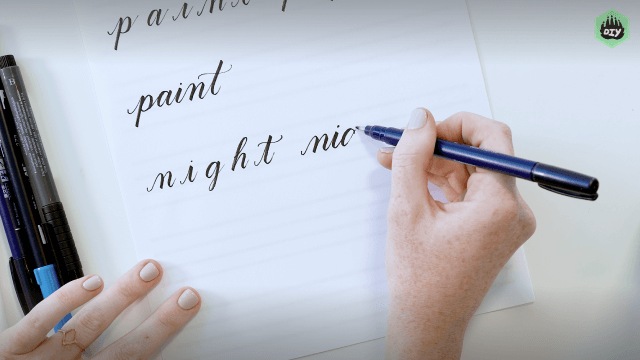

Step-by-step guide to practice diagonal joins in calligraphy
Step 1
Sit at a clean table with good light and spread out your materials.
Step 2
Place the printed slanted guideline sheet under your practice paper so the slanted lines show through.
Step 3
Hold your brush pen at a steady 45 degree slant to the paper.
Step 4
Warm up by lightly penciling three short slanted upstrokes along the guideline.
Step 5
Use your brush pen to drill ten long slanted downstrokes along the guideline keeping pressure heavier on the downstrokes.
Step 6
Trace three example diagonal letter joins from the guideline sheet with your brush pen focusing on smooth connections.
Step 7
Repeat tracing each of those letter joins two more times to build muscle memory.
Step 8
Write five two letter combinations on your practice paper connecting the letters with diagonal joins.
Step 9
Slowly write a three to five letter word using the diagonal joins and keep your pen angle steady.
Step 10
Circle one diagonal join you want to improve using a pencil.
Step 11
Share your finished practice sheet and the word you wrote on DIY.org.
Help!?
If I can't find a brush pen or the printed slanted guideline sheet, what can I use instead?
If you don't have a brush pen, substitute a soft-tipped marker or a small watercolor brush loaded with ink and still place a printed slanted guideline sheet under your practice paper while holding the tool at a 45° slant.
What should I do if my slanted lines look shaky or the guideline doesn't show through the paper?
If the slanted guideline doesn't show through or lines are shaky, move the printed slanted guideline to a window or under a desk lamp like Step 1, use thinner practice paper, tape the sheets together, and rest your forearm on the table to steady your 45° pen angle.
How can I adapt the activity for younger children or make it harder for older kids?
For younger children, enlarge the printed slanted guideline sheet and use a chubby marker with three penciled upstrokes and five slow downstrokes instead of ten, while older kids can use a finer brush tip, smaller guideline spacing, and write extra three-to-five-letter words to increase difficulty.
How can we extend or personalize this diagonal join practice after finishing the sheet?
After you circle one diagonal join to improve with a pencil as instructed, practice that specific join five times with a different colored pen, add a short word or phrase using the improved join, and upload before-and-after photos of your finished practice sheet and word to DIY.org.
Watch videos on how to practice diagonal joins in calligraphy
"Basic Handwriting Strokes Full Tutorial ✍️ | Improve Your Writing Step-by-Step"
4 Videos
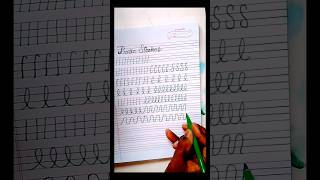
"Basic Handwriting Strokes Full Tutorial ✍️ | Improve Your Writing Step-by-Step"
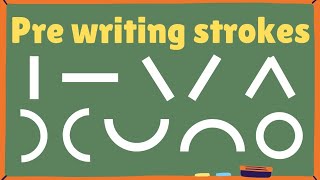
Learn Strokes and Curves to kids | Learn to write Alphabet easily and quickly | Basic Strokes Lesson
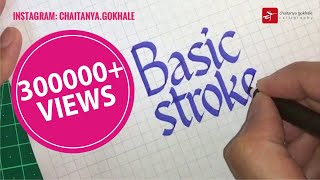
How to Learn Calligraphy for Beginners | Free Template (Basic Strokes Tutorial)
Basic Calligraphy Strokes (Beginner Calligraphy 101) | The Happy Ever Crafter
Facts about calligraphy for kids
🖋️ Many calligraphers keep a steady pen angle (often around 45–55°) to create consistent slanted strokes.
🧭 Slanted guideline sheets help beginners keep letter slant uniform and build muscle memory faster.
🔗 Diagonal joins are key to flowing words — smooth joins make handwriting look connected and neat.
⏱️ Short daily drills (just 5–15 minutes) can produce noticeable improvement in a few weeks.
🖌️ Brush pens blend a flexible tip with an ink reservoir, making thick-to-thin stroke practice easy and portable.
How do I help my child practice diagonal joins in calligraphy?
What materials do I need to practice diagonal joins in calligraphy?
What ages is practicing diagonal joins in calligraphy suitable for?
What are the benefits and safety tips for kids practicing diagonal joins in calligraphy?
