Illustrate a Fairy Woman
Draw and color a fairy woman using simple sketching, shading, and costume details; learn proportions, color mixing, and imaginative storytelling through your artwork.
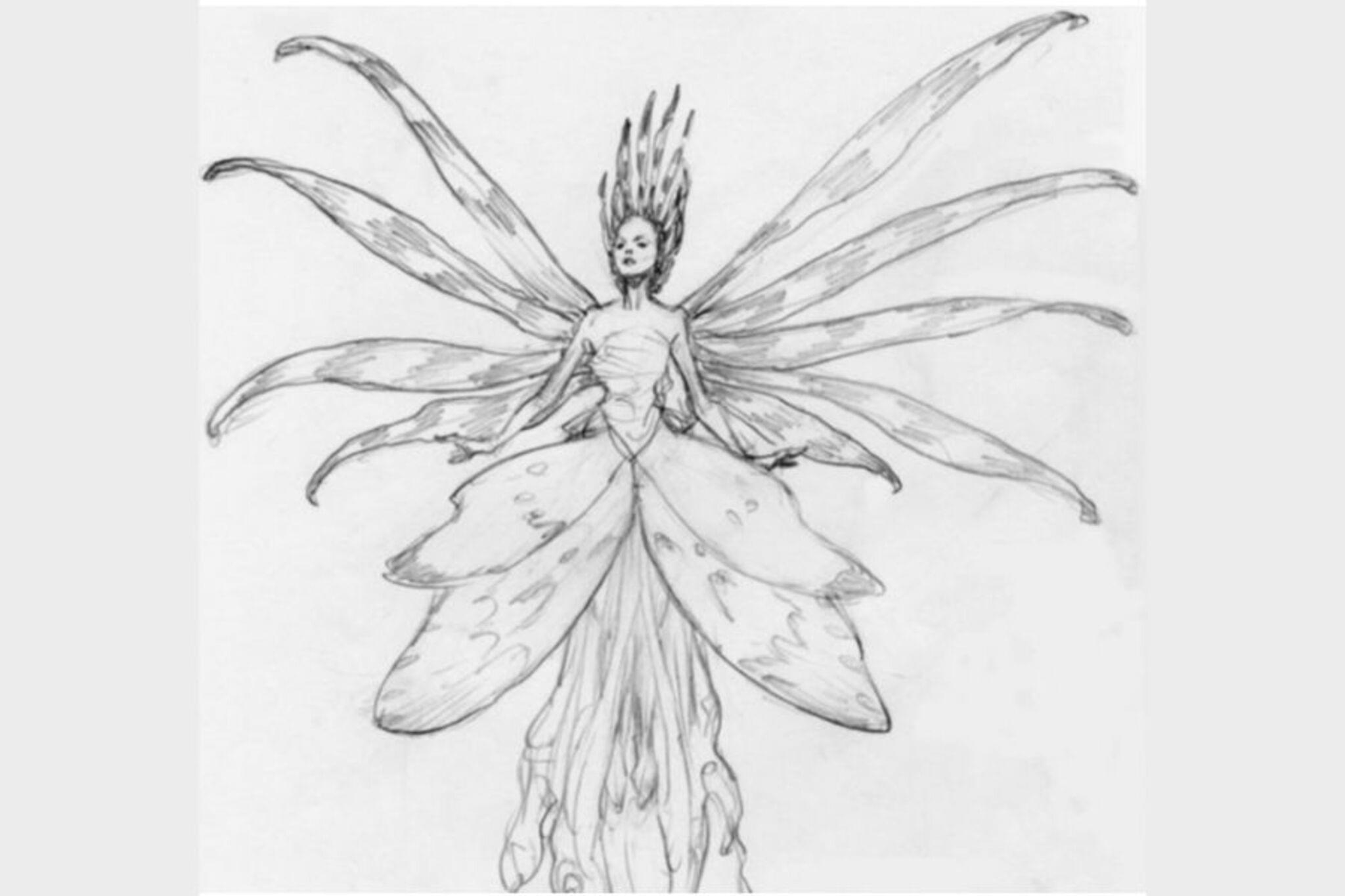
About this tutorial
Draw and color a fairy woman using simple sketching, shading, and costume details; learn proportions, color mixing, and imaginative storytelling through your artwork.
What you need
Instructions
- 1
Step 1
Decide the pose and how big your fairy woman will be on the paper.
- 2
Step 2
Lightly draw a circle where the fairy's head will be.
- 3
Step 3
Draw a vertical guideline down from the head to show the spine and overall height.
- 4
Step 4
Draw a small oval under the head for the chest and a larger oval lower down for the hips.
- 5
Step 5
Sketch simple straight or curved lines from the ovals to show the arms and legs.
- 6
Step 6
Draw light facial guidelines across the head circle to place the eyes nose and mouth.
- 7
Step 7
Draw the eyes nose and mouth using the guidelines to make a friendly expression.
- 8
Step 8
Draw a hairstyle that shows your fairy's personality.
- 9
Step 9
Draw wings and big costume shapes like a dress cape or belt.
- 10
Step 10
Add small hands and feet details to finish the basic body.
- 11
Step 11
Carefully trace a clean final outline over your sketch lines with pencil or the fine-tip black marker.
- 12
Step 12
Erase the extra guidelines and stray marks so the drawing looks neat.
- 13
Step 13
Shade shadow areas lightly with pencil where the light would not hit.
- 14
Step 14
Colour your fairy using layered colours to mix new shades and add patterns or sparkles.
- 15
Step 15
Share your finished fairy woman creation on DIY.org
Fun facts
How do I guide my child to draw and color a fairy woman step-by-step?
Begin with light pencil shapes: a circle for the head, an oval for the torso, and simple lines for limb placement to teach proportion. Sketch wings and costume silhouettes next. Add facial features and hair, then refine clothing details. Teach basic shading by choosing a light source and shading opposite areas. Let the child mix colors for skin, hair, and wings, outline with a darker pencil or marker, and finish with small highlights and a short storytelling caption.
What materials do I need to illustrate a fairy woman?
Gather a few basic supplies: HB and 2B pencils, eraser, pencil sharpener, and a blending stump or cotton swab for shading. Use medium-weight drawing paper or sketchbook, colored pencils, markers, or watercolor sets for color, plus a small brush if painting. Optional extras: white gel pen for highlights, ruler for guidelines, reference images, and a smock or apron. Keep materials organized and child-friendly for easy use.
What ages is this fairy woman drawing activity suitable for?
This activity suits a wide range: ages 4–6 enjoy simplified shapes, tracing, and coloring with supervision. Ages 7–10 can learn basic proportions, shading, and simple color mixing. Ages 11+ can explore more accurate anatomy, layered shading, and storytelling elements. Adjust complexity, provide step-by-step demos for younger children, and offer more creative challenges—like costume design or creating a backstory—for older kids.
What are the benefits of illustrating a fairy woman for children?
Drawing and coloring a fairy woman builds fine motor skills, hand-eye coordination, and understanding of proportion and shading. It teaches basic color mixing and visual planning while encouraging imagination through character design and storytelling. The activity also supports emotional expression, patience, and focus. Working together offers bonding time and boosts confidence as children see their ideas become finished artwork they can share and discuss.
Watch & Learn
Need help?
What can I use instead of a fine-tip black marker or coloured pencils if I don't have them?
If you don't have a fine-tip black marker for step 11, carefully trace the final outline with a sharp HB pencil or thin ballpoint pen, and swap coloured pencils in step 15 for crayons, watercolor paints, or torn colored paper for a collage effect.
My fairy's head and body look out of proportion — how can I fix that?
Check and adjust the circle for the head and the chest and hip ovals along the vertical guideline from steps 2–4, erase and redraw the offending oval(s) until the spine and limb lines align before tracing in step 11.
How can I adapt this activity for different ages?
For younger children, simplify steps 2–9 by using larger paper, oversized ovals, and bold marker outlines or pre-cut wings to paste on, while older kids can follow all facial guidelines, add subtle pencil shading in step 14, and create layered color mixes and intricate costume patterns in step 15.
What's a simple way to enhance or personalize the finished fairy drawing?
After erasing stray marks in step 13 and coloring in step 15, personalize the fairy by adding glitter or sequins to the wings, drawing a background scene, mounting the paper on colored card, or photographing and uploading the result to DIY.org as suggested in the final step.