Draw a Gouache Painting Scenery
Paint a simple outdoor landscape using gouache paints, practicing color mixing, layering, brush techniques, and creating sky, trees, and foreground details.
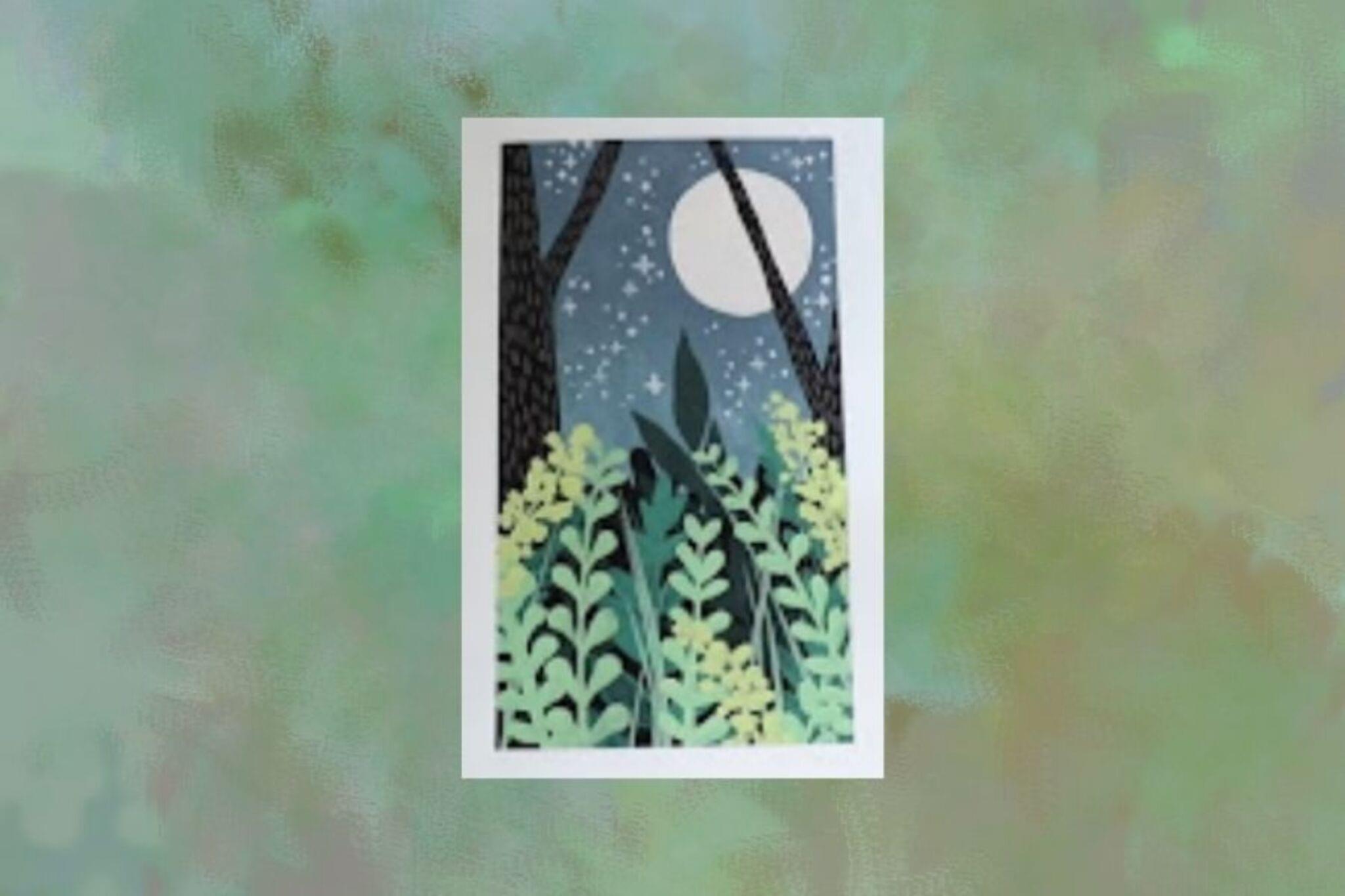
About this activity
Paint a simple outdoor landscape using gouache paints, practicing color mixing, layering, brush techniques, and creating sky, trees, and foreground details.
What you need
Step by step
- 1
Step 1
Tape your paper to a firm surface with masking tape to make a neat white border.
- 2
Step 2
Lightly sketch a simple horizon line and big shapes for mountains sun and trees with your pencil.
- 3
Step 3
Squeeze small amounts of the main colors and white onto your mixing palette.
- 4
Step 4
Mix a light sky color by combining blue and white on your palette until it looks pale enough.
- 5
Step 5
Paint the sky across the top half of the paper using long horizontal strokes with the flat brush.
- 6
Step 6
Paint soft cloud shapes with white paint by dabbing rounded blobs where you want clouds.
- 7
Step 7
Soften the cloud edges with a clean slightly damp brush by gently brushing the white outward.
- 8
Step 8
Let the sky and clouds dry completely before painting the land.
- 9
Step 9
Mix a muted distant-hill color by adding a tiny bit of a complementary color or grey to your base color.
- 10
Step 10
Paint the distant hills along the horizon using simple curved shapes and the flat brush.
- 11
Step 11
Mix a darker tree color for the midground by adding a little black or complementary color to your green or brown.
- 12
Step 12
Paint midground trees with the round brush using short vertical and rounded strokes for trunks and foliage.
- 13
Step 13
Add foreground details like grass stones and flowers with a small brush using brighter colors and quick dabs.
- 14
Step 14
Put small highlights and shadows on trees and foreground details using lighter and darker mixes to make them pop.
- 15
Step 15
Take a photo and share your finished gouache landscape on DIY.org.
Fun facts
How do I guide my child to paint a simple gouache landscape scenery?
To guide a child painting a simple gouache landscape, tape heavyweight paper to a board and sketch a light horizon. Mix sky colors and lay a wash, using wet-on-wet for soft blends or wet-on-dry for crisp shapes. Let layers dry, then block in distant hills, midground trees, and foreground details with progressively smaller brushes. Teach color mixing, add highlights and texture, and let layers fully dry to avoid muddying colors.
What materials do I need to paint a gouache outdoor landscape with my child?
You’ll need gouache paints (student or artist grade), several brushes (medium flat, small round, detail), heavyweight mixed-media or watercolor paper (200–300 gsm), a mixing palette, two jars of water (one for rinsing), masking tape, a pencil and eraser for a light sketch, and paper towels or a rag. Optional extras: sponge, palette knife, and a reference photo. Choose non-toxic paints for children.
What ages is painting a gouache landscape suitable for?
This gouache landscape activity fits children roughly ages 5–12. Ages five to seven benefit from short, guided sessions focusing on big shapes and simple color mixing with adult help. Eight- to ten-year-olds can practice layering, brush techniques, and composition more independently. Older children (eleven to twelve) can experiment with glazing, texture, and detailed foreground elements. Adjust complexity, session length, and supervision to each child’s skill and attention.
What are the benefits of having my child paint a gouache scenery?
Painting a gouache scenery builds color-mixing skills, brush control, and understanding of layering and composition. It strengthens observation as children study skies, trees, and perspective, while improving fine motor skills and patience. The activity fosters creativity and confidence as a scene develops, and family sessions boost communication and following steps. Use non-toxic materials and supervise younger children to keep it safe and enjoyable.
Watch & Learn
Need help?
What can I use if I don't have gouache, masking tape, or a mixing palette?
If you don't have gouache, substitute heavy‑body acrylic or washable tempera, replace masking tape with painter's tape or tape the paper to a piece of cardboard for a firm surface, and use a paper plate or ceramic saucer as your mixing palette.
My clouds look harsh and the sky has streaks—what should I do?
Soften harsh cloud edges by following the instructions to gently brush the white outward with a clean slightly damp brush and reduce sky streaks by painting the sky with long horizontal strokes using the flat brush while the mixed pale blue is still wet, then let everything dry completely before painting the land.
How can I adapt this activity for different age groups?
For younger children pre‑sketch the horizon and big shapes and give them larger flat brushes and washable tempera for easier handling, while older kids can practice precise mixing (for example, making muted distant hills by adding a bit of complementary color) and add finer highlights and shadows with a small brush.
How can we extend or personalize the finished gouache landscape?
Personalize and extend the scene by adding animals, reflections, or a winding path with the small brush, experimenting with sponges or torn paper for cloud textures, and photograph the final painting after removing the masking tape to share on DIY.org as suggested.