Make a Flying Dragon!
Make a flying paper dragon glider using folded cardstock, straw supports, and a balloon or launch ramp, then test flight stability and adjust for balance.


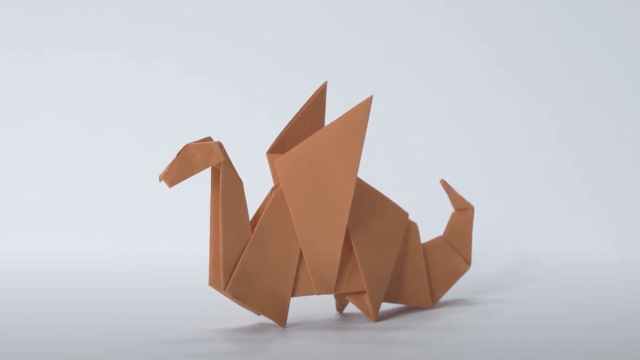

Step-by-step guide to make a flying dragon glider
Step 1
Gather all your materials on a clear table so you can reach everything easily.
Step 2
Draw a dragon shape on the cardstock with big wings and a pointed nose so it will glide.
Step 3
Carefully cut out the dragon shape from the cardstock using scissors.
Step 4
Fold the dragon down the middle lengthwise to create a firm center body spine.
Step 5
Slide one drinking straw under each wing and tape them in place to stiffen the wings.
Step 6
Cut a small tail flap from leftover cardstock and tape it to the back of the dragon.
Step 7
Clip a paper clip to the nose of the dragon to add a little weight for balance.
Step 8
Set up your launch by either partly inflating a balloon or propping a book to make a ramp.
Step 9
Place the dragon on the balloon nozzle or on top of the ramp and release to fly.
Step 10
Watch the flight closely and notice if the dragon tilts dives or spins.
Step 11
Adjust balance by moving the paper clip slightly or trimming a tiny bit off a wing tip.
Step 12
Test the dragon again after each small change until the flight is smooth and steady.
Step 13
Decorate your dragon with coloring materials to give it fierce eyes and bright scales.
Step 14
Share your finished creation on DIY.org
Help!?
What can we use instead of cardstock, drinking straws, or a paper clip if we don't have them?
Use cereal-box cardboard cut to the dragon shape and folded down the middle as the center spine instead of cardstock, a clean wooden skewer or rolled paper under each wing instead of drinking straws, and a small washer or a tightly folded piece of aluminum foil taped to the nose in place of a paper clip.
My dragon keeps tilting, diving, or spinning—what should I check and change?
Check that the straws are taped symmetrically under each wing for even stiffness, then adjust the paper clip a tiny bit along the nose or trim a small sliver off a wing tip as described in the instructions to correct balance and steady the flight.
How can I change this activity for different ages?
For younger kids, pre-draw and pre-cut the dragon and help tape the straws and tail flap (steps 2–6), while older children can design varied wing shapes, experiment with balloon versus ramp launches, and make fine balance adjustments themselves (steps 7–12).
What are some fun ways to improve or personalize our flying dragon?
Try varying wing span and straw placement to increase glide distance, add a movable tail flap for steering, decorate with paint and scales before cutting (steps 2 and 13), and record flight times or tricks to share on DIY.org.
Watch videos on how to make a flying dragon glider
How to make a paper flying Dragon step by step - Super Flying !
4 Videos
How to make a paper flying Dragon step by step - Super Flying !
How to Make a Paper Dragon that Flies Really well! - Flying Paper Dragon
Flying Dragon Origami: Step-by-Step Tutorial Easy to Follow | Paper Dragon Craft
Amazing Flying Paper Dragon 🐉 | Easy Origami Tutorial
Facts about aerodynamics and glider stability for kids
🐉 Dragons appear in myths around the world — Chinese dragons are often symbols of strength and good luck!
✈️ The world record for a paper airplane flight is 69.14 meters — tiny folds can send paper soaring far!
🎈 A helium balloon can provide a few grams of lift, which is enough to give a delicate paper glider a helpful boost.
📏 Moving the center of mass by just a few millimeters can change a glider from nose-diving to smooth cruising.
🧪 Real engineers rely on test flights and small tweaks — sometimes dozens of tries — to make designs stable.
How do I make a flying paper dragon glider?
What materials do I need to make a flying paper dragon?
What ages is making a flying paper dragon suitable for?
What safety tips and fun variations can I try with the dragon glider?
