Share the Price Increase or Decrease of an Everyday Item
Compare prices of a common item over time, calculate the increase or decrease percentage, and present your findings on a simple poster.


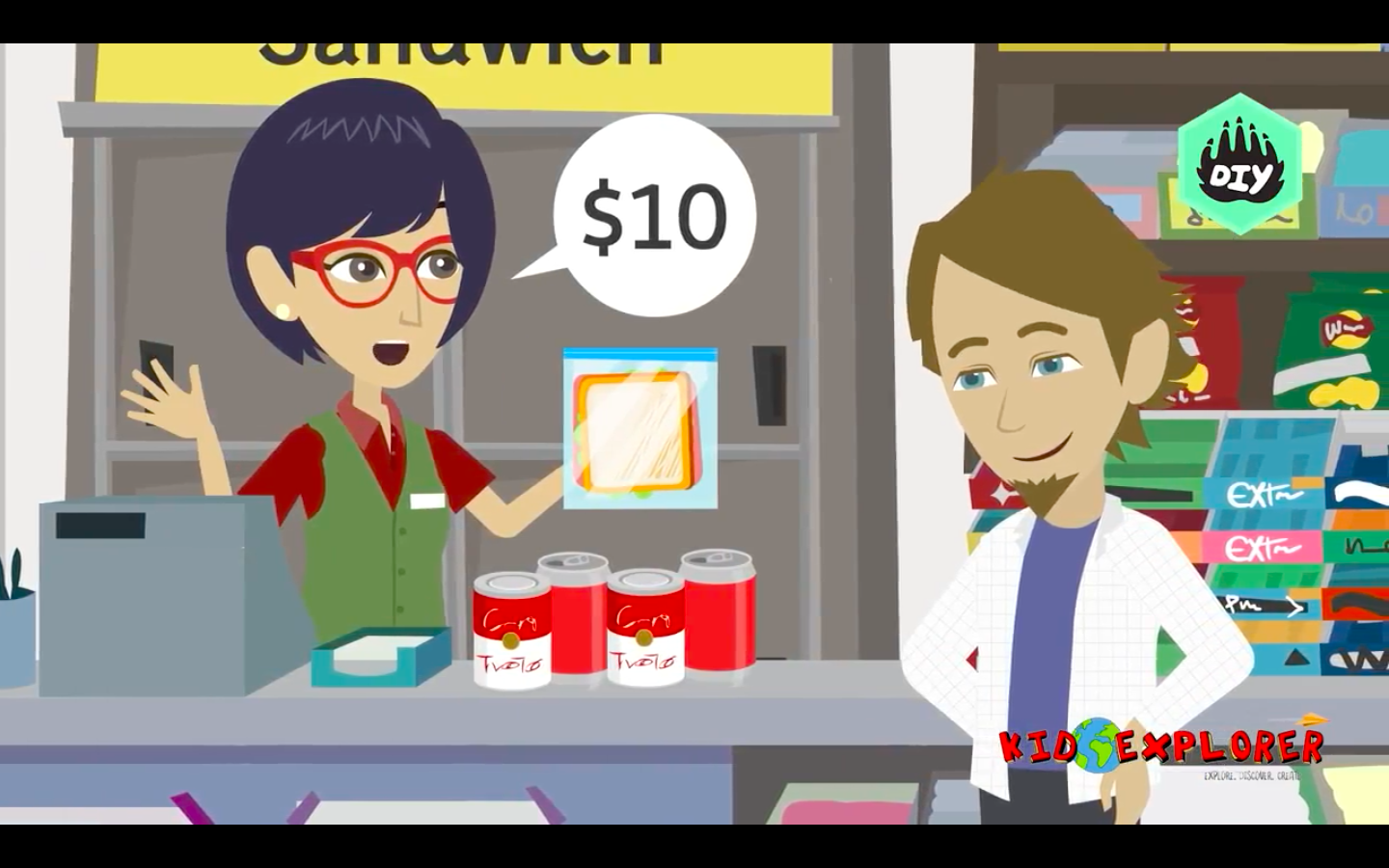

Step-by-step guide to Share the Price Increase or Decrease of an Everyday Item
Step 1
Choose one common item to compare like bread milk or cereal.
Step 2
Pick two dates to compare such as today and a date in the past and write those dates on your paper.
Step 3
Find the older price using a receipt newspaper clipping or by asking an adult and write that price down.
Step 4
Find the current price of the same item and write that price down.
Step 5
Subtract the older price from the current price to find the amount of change.
Step 6
Divide the change amount by the older price and multiply by 100 to calculate the percentage change.
Step 7
Round the percentage to one decimal place and write the rounded percentage on your paper.
Step 8
Decide if the price went up or down and write “increase” or “decrease” next to the percentage.
Step 9
Write a big clear title at the top of your poster that names the item and the dates you compared.
Step 10
Draw two boxes or a simple bar chart to show the older price and the current price side by side.
Step 11
Write each price and the percent change inside or next to the boxes or bars.
Step 12
Write one short sentence explaining where you found the prices or why you think the price changed.
Step 13
Decorate your poster with colours drawings or stickers to make it eye-catching.
Step 14
Take a clear photo or scan of your finished poster so you can share it online.
Step 15
Share your finished creation on DIY.org
Help!?
What can we use if we don't have a receipt or newspaper clipping to find the older price?
Use a photo of an old price tag, a store's archived online prices or emailed receipts, or simply ask an adult as suggested in the 'Find the older price' step.
My percent change doesn't look right — what common mistakes should I check and how do I fix them?
Re-check that you subtracted the older price from the current price, confirmed both prices are for the same package size (unit price), then divide the change by the older price and multiply by 100 with a calculator before rounding to one decimal as the instructions say.
How can I adapt this activity for younger kids or older students?
For younger kids, stick to choosing an item, writing two prices and drawing the two boxes with labels, while older students should calculate the percentage change, compare unit prices per ounce or liter, and write a short explanation of why the price changed.
How can we extend or personalize the poster to make our project stand out before sharing on DIY.org?
Compare additional dates or sizes, add unit price per ounce inside your bars, write a clear title and a one-sentence source/explanation, and decorate the poster with colours or stickers before taking the photo to upload to DIY.org.
Watch videos on how to Share the Price Increase or Decrease of an Everyday Item
How Bread Built Civilization: From the First Farmers to the Modern Factory
3 Videos

How Bread Built Civilization: From the First Farmers to the Modern Factory
How To Calculate Cost Of Ingredients - Step by Step for beginners

Over Proofing & Under Proofing: Explained | How to Tell the Difference
Facts about consumer math and personal finance
📈 A steady 3% annual inflation doubles prices in about 24 years — that's the 'Rule of 72' (72 ÷ 3 ≈ 24).
📉 A 50% price decrease means the item now costs exactly half of its original price — easy to show with before/after numbers on a poster.
🧮 To find percent change use this formula: ((new − old) ÷ old) × 100 — kids can plug numbers into a calculator or do it by hand.
🛒 The Consumer Price Index tracks a 'basket' of everyday items like food, rent, and clothing to measure how prices change over time.
💡 When an item is scarce but many people want it, supply and demand usually pushes the price up — a simple story to explain price increases.
How do I do the price increase or decrease activity with my child?
What materials do I need for a price comparison poster activity?
What ages is the price comparison and percentage activity suitable for?
What are the benefits of doing a price increase/decrease poster activity with kids?
