Do the Chip Pass
Practice teamwork and coordination by passing a single potato chip along a line using only chopsticks, timing runs and improving speed safely.


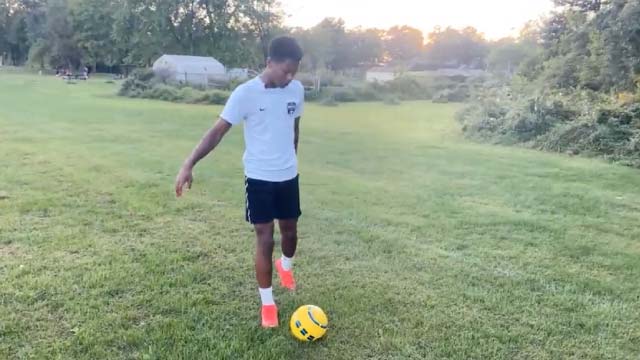

Step-by-step guide to Do the Chip Pass
Step 1
Gather all players.
Step 2
Have players stand in a straight line about arm's length apart.
Step 3
Give each player one pair of chopsticks.
Step 4
Place a paper plate in front of the first player to mark the start.
Step 5
Put one potato chip on the paper plate.
Step 6
Tell everyone the rule to use only chopsticks to move the chip and not to eat the chip during the game.
Step 7
Demonstrate how to hold the chopsticks with one hand.
Step 8
Start the timer to begin a timed run.
Step 9
Ask the first player to pick up the chip with their chopsticks.
Step 10
Tell each player to pass the chip to the next player using only their chopsticks until it reaches the last player.
Step 11
Stop the timer when the last player has the chip and write down the time.
Step 12
Wipe hands with the towel.
Step 13
Put a fresh potato chip on the paper plate to start another run.
Step 14
Share a photo or short video of your team doing the Chip Pass on DIY.org
Help!?
What can we use if we don't have chopsticks or potato chips?
If you don't have chopsticks, substitute wooden craft sticks, plastic tongs, or clothespins and, instead of a fragile potato chip on the paper plate, use a pom-pom or cotton ball so it won't crumble during the pass.
What should we do if the chip keeps falling or players struggle to pick it up?
If players keep dropping the chip during the pass, pause the run, re-demonstrate the 'how to hold the chopsticks with one hand' step, let players practice picking up the chip from the paper plate once or twice, and remind them to wipe greasy fingers with the towel before the next timed run.
How can we adapt the game for younger children or make it harder for older kids?
For ages 3–5, move players closer than arm's length and replace the potato chip with a large marshmallow or pom-pom for easier gripping, while for ages 10+ require passing with the non-dominant hand or add a second chip during a timed run to increase challenge.
How can we extend or personalize the Chip Pass after one timed run?
To extend the game, hold multiple timed runs and write down times on a score sheet, decorate each player's chopsticks and paper plate for team identity, and run a relay tournament where the winning team shares a short video to DIY.org.
Watch videos on how to Do the Chip Pass
How to Chip Pass
4 Videos

How to Chip Pass
How To Scan Passport Chip With iPhone

Ultimate Chipping Tutorial | GolfPass
How to Use Chip Cards
Facts about teamwork and coordination activities for kids
🥢 Chopsticks have been used for over 3,000 years — they first appeared in China during the Shang dynasty!
🥔 Americans eat roughly a billion pounds of potato chips every year — that's a lot of crunchy practice pieces!
🤝 Simple cooperative games like the Chip Pass help kids build communication, trust, and quick problem-solving skills.
🧠 Picking up and passing a tiny chip with chopsticks boosts fine motor control and concentration in surprising ways.
🏃 Passing objects down a line is a relay-style skill that trains timing and teamwork — perfect for friendly competitions.
How do you do the Chip Pass game with chopsticks?
What materials do I need for the Chip Pass activity?
What ages is the Chip Pass suitable for?
Is the Chip Pass safe and how can I make it safer?
