Share a Pitch for #EntrepreneursDay
Create a simple business pitch and a small prototype using paper, markers, and recycled materials, then practice presenting your idea to friends or family.




Step-by-step guide to Share a Pitch for #EntrepreneursDay
How To Start A Pitch Or Presentation: 4 Simple Steps
Step 1
Gather all your materials on a clear table so you can reach everything easily.
Step 2
Think of a problem that people have that you want to solve and keep it in your mind.
Step 3
Choose a fun name for your business that matches your idea.
Step 4
Write one short sentence that explains what your product is and how it helps people.
Step 5
Sketch a simple picture of your product on paper to show how it looks and works.
Step 6
Pick the recycled pieces you need to make a tiny model of your idea.
Step 7
Build a small prototype using the recycled pieces and tape or glue to hold parts together.
Step 8
Make a one-page pitch card or poster on an index card with your business name price and key benefit.
Step 9
Practice saying your one-sentence pitch out loud two times in front of a mirror or a toy.
Step 10
Present your pitch and show your prototype to a friend or family member.
Step 11
Ask them for one thing they liked and one idea to make it better.
Step 12
Make one change to your prototype or your pitch using their feedback.
Step 13
Share your finished creation on DIY.org
Help!?
What can I use if I don't have recycled pieces, tape, or glue?
Use clean cardboard, cereal boxes, fabric scraps or plastic lids in place of recycled pieces and fasten parts with a stapler, paper clips, or masking tape instead of glue so you can still build your small prototype.
My prototype keeps falling apart when I pick it up—how can I fix that?
Reinforce weak joints by increasing the surface area where pieces meet, add extra layers of tape or glue, let glue dry fully before handling, and assemble on a flat clear table to stabilize the small prototype while you work.
How can I adapt this activity for younger or older kids?
For younger kids, focus on choosing a business name, sketching the product, and building a chunky model with large recycled pieces and adult help for cutting, while older kids can add measurements, set a price on the index card, and record a timed one-sentence pitch after practicing in front of a mirror or toy.
How can we extend or personalize the pitch and prototype after making the first version?
Enhance your project by designing a logo and simple packaging on the index card, filming a short demo of the prototype to share on DIY.org, or collecting feedback from three people and making another change to the prototype or one-sentence pitch.
Watch videos on how to Share a Pitch for #EntrepreneursDay
Ultimate Pitch Deck Guide with Examples [in 2022]
4 Videos
![Ultimate Pitch Deck Guide with Examples [in 2022]](https://img.youtube.com/vi/iHNwH4oiPIE/mqdefault.jpg)
Ultimate Pitch Deck Guide with Examples [in 2022]

How to Pitch Your Business Idea | Business: Explained

10 Unique Sports Business Ideas You Can Start Today
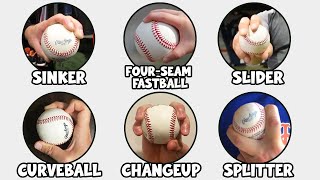
Every MLB Pitch Explained in 16 Minutes
Facts about entrepreneurship for kids
💡 Big companies like Apple and Amazon began with tiny prototypes made in garages and dorm rooms.
🎤 An elevator pitch is a short, 30–60 second idea summary meant to spark curiosity and invite questions.
♻️ Recycled materials like cardboard, bottles, and paper are perfect for quick prototypes and help keep trash out of landfills.
🧒 Kids everywhere start simple businesses—lemonade stands, craft stalls, and online shops teach real-world skills early.
📦 A rough prototype is powerful: it helps you show your idea, find problems fast, and improve before making the final product.
How do I help my child create a simple business pitch and prototype for Entrepreneurs Day?
What materials do I need to make a paper-and-recycled prototype and practice a pitch?
What ages is this Entrepreneurs Day pitching activity suitable for?
What are the benefits of having kids make a business pitch and prototype?
