Learn to Paint Two-Toned Acrylic Flowers
Paint two-toned acrylic flowers on paper or canvas using simple brush strokes, color blending, and layering techniques to create bright floral designs.


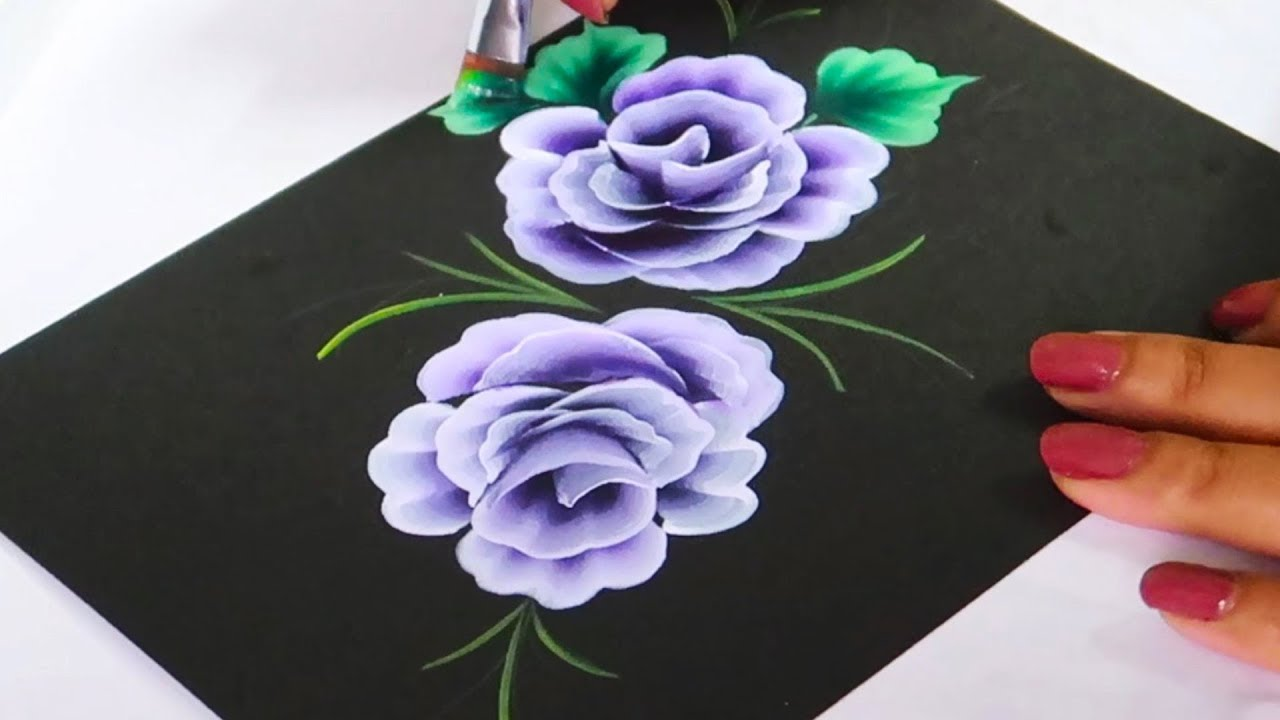

Step-by-step guide to paint two-toned acrylic flowers
Step 1
Put on your old shirt or smock.
Step 2
Place your paper or canvas flat on a table.
Step 3
Put small blobs of your two chosen paint colors and a blob of white on the palette or plate.
Step 4
Lightly sketch a circle for the flower center and 5 to 7 petals around it with your pencil.
Step 5
Dip a medium brush into the cup of water.
Step 6
Wipe the extra water off the brush on a paper towel.
Step 7
Load the brush with the darker color and paint the base of one petal with a curved stroke outward.
Step 8
Wipe the brush clean on the paper towel until the darker color is mostly gone.
Step 9
Load the brush with the lighter color and paint the tip of the same petal, overlapping slightly where the colors meet.
Step 10
Use a dry small brush to gently blend the meeting area with short soft strokes.
Step 11
Repeat steps 7 to 10 for each petal until all petals are two-toned.
Step 12
Paint a bright dot in the center of the flower using a small brush.
Step 13
Paint simple green leaves at the base of the flower with a medium brush.
Step 14
Let your painting dry completely without touching it.
Step 15
Share your finished two-toned flower on DIY.org.
Help!?
What can we use if we don't have acrylic paint or a palette?
If you don't have acrylics, use washable tempera or poster paint and substitute a clean paper plate for the palette while still putting blobs of your two chosen colors plus white as in step 3.
My petals look muddy when I blend the two colors — how can I fix that?
Keep the brush fairly dry per step 6, wipe most of the darker color off on the paper towel before adding the lighter color in step 9, and use the dry small brush from step 11 to gently blend only where the colors meet so they don't turn muddy.
How can I adapt this activity for younger children or older kids?
For preschoolers, simplify by sketching larger 3–4 petals and using big brushes or finger-painting for the two-toned petals, while older kids can add more petals, mix extra shades on the palette, or practice precise curved strokes in steps 4 and 7–10.
How can we personalize or extend the two-toned flower project?
Add multiple flowers with different two-tone pairs, paint textured green leaves or a background with your medium brush from step 13, try metallic highlights or layered petals, and then photograph and share the finished two-toned flower on DIY.org as described in the last step.
Watch videos on how to paint two-toned acrylic flowers
How to Paint Sunflowers for Beginners | Step by Step Acrylic Painting Tutorial
4 Videos

How to Paint Sunflowers for Beginners | Step by Step Acrylic Painting Tutorial
![Flower Painting Tutorial In Acrylics [Paint Roses Step by Step]](https://img.youtube.com/vi/KBvpKSqmf3Q/mqdefault.jpg)
Flower Painting Tutorial In Acrylics [Paint Roses Step by Step]
HOW TO PAINT FLOWERS 3 Easy Ways! How to Draw and Paint Flowers with Acrylics-Beginner Tutorial
How to Paint Flowers | Acrylic Painting Tutorial
Facts about acrylic painting for kids
🎨 Acrylic paint dries fast, letting you layer bright two-tone petals quickly without long waits!
⏱️ Because acrylics dry quickly, artists sometimes use slow-drying mediums or mist water to blend colors longer.
🌸 Georgia O'Keeffe painted huge, close-up flowers so people would notice tiny details—great inspiration for bold two-toned blooms!
🎯 Using complementary colors (opposites on the color wheel) makes flower petals pop with extra contrast.
💧 You can thin acrylics with water for smooth washes or add gel mediums to build thick, textured petals.
How do I teach my child to paint two-toned acrylic flowers?
What materials do I need to paint two-toned acrylic flowers with kids?
What ages is painting two-toned acrylic flowers suitable for?
What are the benefits of painting two-toned acrylic flowers for kids?
