Share Your DnD Character Class
Design a simple Dungeons and Dragons character class on paper, draw its abilities and role, then present and share it with friends.


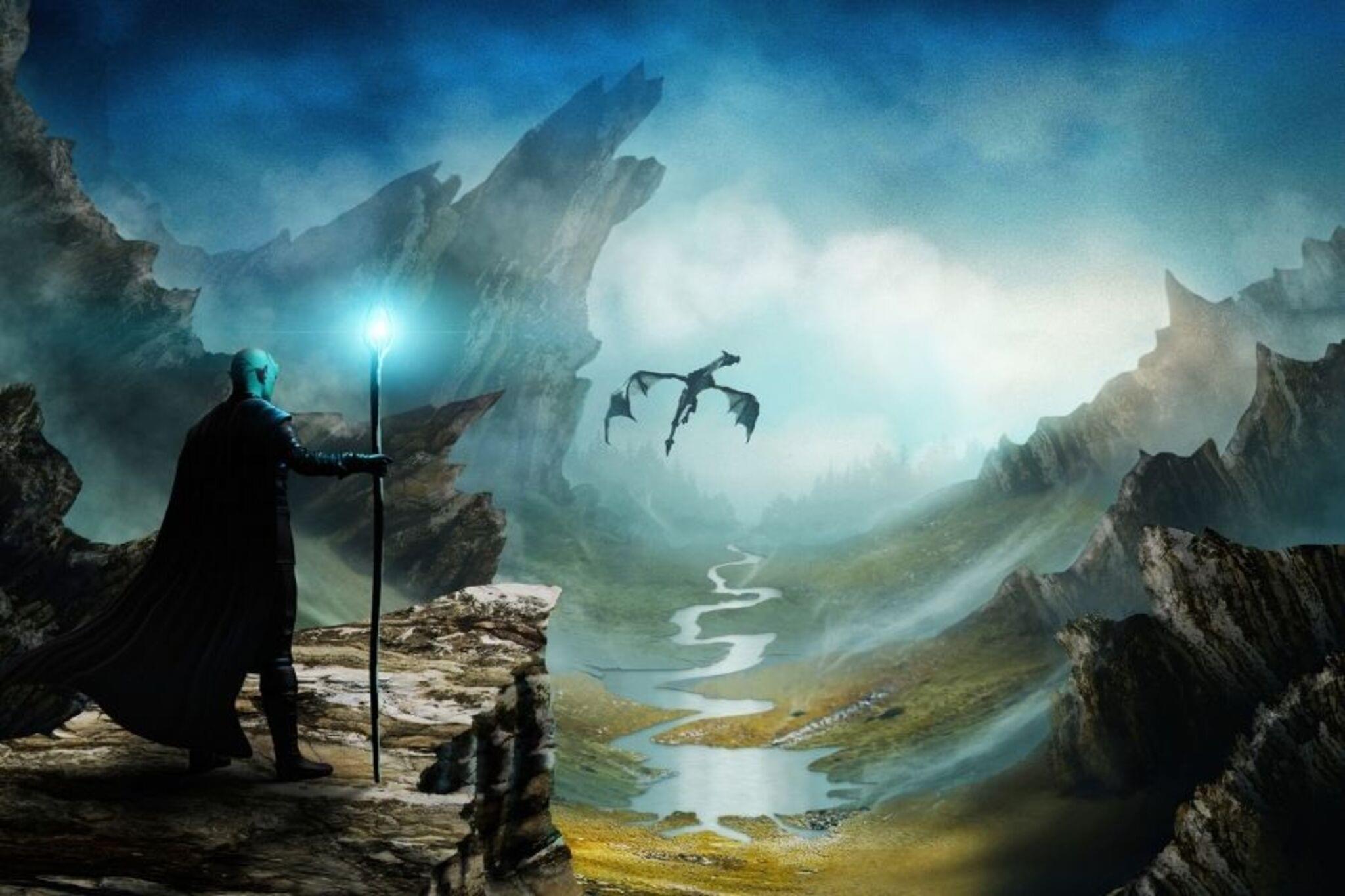

Step-by-step guide to design a Dungeons & Dragons character class
The guide to Creating Your First D&D Character (For Beginners!)
Step 1
Gather the materials from the list and put them on a clean table.
Step 2
Think of a cool class name and write it big at the top of your paper.
Step 3
Decide the class role like tank healer damage or support and write it under the name.
Step 4
Pick three ability names and write them in a column.
Step 5
Write a one-sentence description for each ability under its name.
Step 6
Choose two main stats for your class and write their names on the page.
Step 7
Give each stat a number from 1 to 10 and write the numbers next to the stat names.
Step 8
Draw your character full-body showing costume weapons or magic items.
Step 9
Design a small emblem or icon that represents the class and draw it near the name.
Step 10
Color your character and emblem using your coloring materials.
Step 11
Write three short bullet points explaining how your class helps a team.
Step 12
Practice saying your class name role and three bullet points out loud one time.
Step 13
Present your class to friends and show them your drawing and abilities.
Step 14
Share your finished creation on DIY.org
Help!?
What can we use if we don't have the coloring materials listed?
Use crayons, washable paint, colored paper cutouts, or stickers to color your character and emblem as instructed in the step 'color your character and emblem using your coloring materials'.
What should I do if I run out of space after writing my big class name and need room to draw a full-body character?
Lightly sketch a layout first and if space is tight tape a second sheet or shrink the name so you have room to 'draw your character full-body' and list your abilities and stats without crowding.
How can I change this activity for younger or older kids?
For younger kids simplify by tracing shapes, using stickers for the 'design a small emblem' step, and picking one stat, while older kids can add mechanical details by expanding the 'give each stat a number from 1 to 10' step and writing a backstory or extra abilities.
How can we make the finished class project more special or shareable?
Turn the drawing and emblem into a laminated class card, make a matching small prop from craft scraps to go with your 'draw your character' design, practice and record the presentation from the 'practice saying your class name role and three bullet points' step, and upload photos to DIY.org to share.
Watch videos on how to design a Dungeons & Dragons character class
Creating Your First D&D Character - A Step by Step Walkthrough!
4 Videos
Creating Your First D&D Character - A Step by Step Walkthrough!
D&D 5e Character Creation Guide - Step-by-Step for Beginners 2024
Easy D&D Character Creation for Kids Explained!
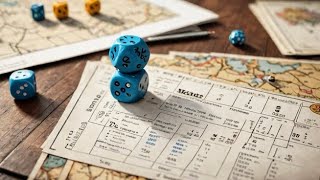
How To Create Your First D&D Character (a step by step guide)
Facts about tabletop role-playing games for kids
🐲 Dungeons & Dragons was first published in 1974 and helped create the tabletop role-playing hobby!
🎲 The 20-sided die (d20) is the most famous die in D&D and is used to decide many actions and checks.
🧙♂️ Character classes (like Wizard, Fighter, and Rogue) define special abilities and how a player contributes to the party.
⚔️ Teams of characters often fill roles such as tank (soaks damage), healer (restores health), or damage-dealer (deals big hits).
🌟 D&D's class and party ideas have inspired tons of video games, books, and TV shows about adventuring teams.
How do I do the "Share Your DnD Character Class" activity with my child?
What materials do I need to design a DnD character class with my child?
What ages is the "Share Your DnD Character Class" activity suitable for?
What are the benefits of designing and sharing a DnD character class with kids?
