Paint Like Van Gogh
Create a Van Gogh inspired painting using tempera or acrylic paints, practicing bold colors, short swirling brushstrokes, and textured strokes to express feeling.


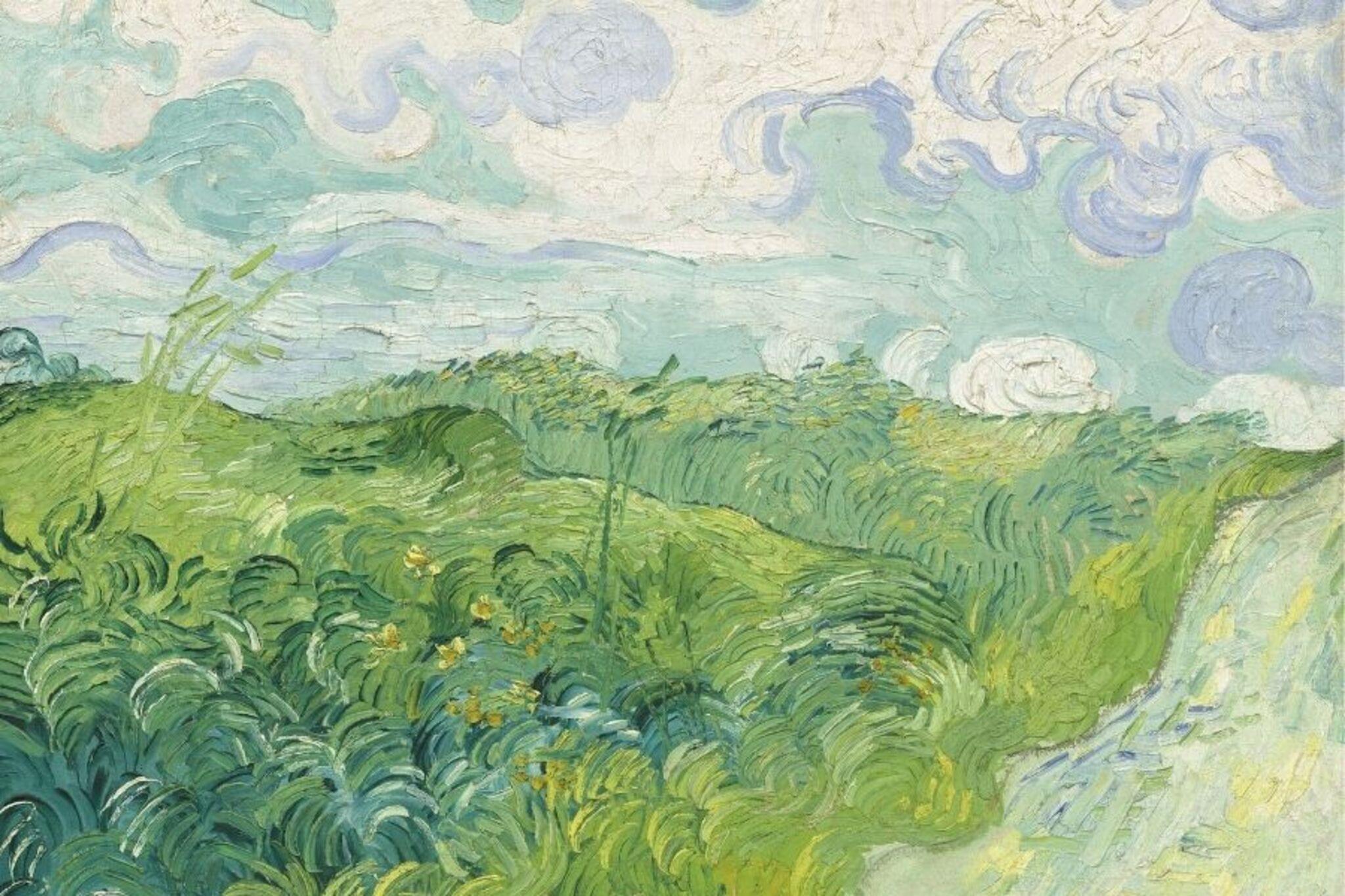

Step-by-step guide to paint like Van Gogh
How to Paint Like Van Gogh for Kids | Children's Art Week 🎨
Step 1
Gather all Materials Needed and bring them to your workspace.
Step 2
Cover your table with a paper towel to protect it.
Step 3
Use tape to secure your paper or canvas so it won’t move.
Step 4
Lightly sketch your scene or the feeling you want to show with a pencil.
Step 5
Squeeze bold colors onto your palette or paper plate in small blobs.
Step 6
Dip a medium brush in water and practice short swirling and dabbing strokes on scrap paper.
Step 7
Paint the background using bold colors and short swirling brushstrokes to show motion.
Step 8
Add the main shapes like hills trees or a sun using short textured strokes to build form.
Step 9
Use thick paint and a loaded brush or palette knife to add bright highlights and raised texture with short strokes.
Step 10
Rinse and gently clean your brushes with water and dry them with a paper towel.
Step 11
Set your painting in a safe spot and let it dry completely.
Step 12
Share your finished creation on DIY.org.
Help!?
What can I use if I don't have a canvas or a palette knife?
If you don't have a canvas, tape a sheet of heavy watercolor or mixed-media paper to the table as in step 3, and if you lack a palette knife use a stiff old credit card or butter knife to apply thick highlights with short strokes in step 8.
My swirling brushstrokes look flat or muddy—how can I fix them?
Wipe excess water off the medium brush, load paint straight from the blob on your palette or paper plate, and practice the short swirling and dabbing strokes on scrap paper from step 6 so the motion shows in your background as in step 7.
How can I adapt this activity for younger or older children?
For preschoolers use washable tempera on heavy paper with larger brushes and help with taping and sketching, while older kids can use thicker acrylics, palette knives, and finer pencil sketches to build more textured form in steps 4–8.
How can we extend or personalize the finished painting?
Add extra raised texture by mixing modeling paste into thick paint before using a loaded brush or palette knife in step 8, sign and let it dry in a safe spot per step 9, then photograph and share the creation on DIY.org as step 10 suggests.
Watch videos on how to paint like Van Gogh
How to paint Vincent Van Gogh´s SUNFLOWERS- Art lesson for kids
4 Videos
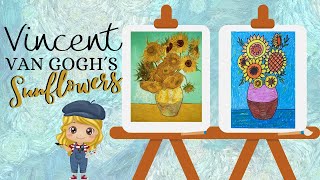
How to paint Vincent Van Gogh´s SUNFLOWERS- Art lesson for kids
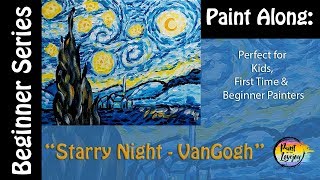
Easy Step by Step Painting - Starry Night - Van Gogh🎨✨ Simple for kids and adults to follow
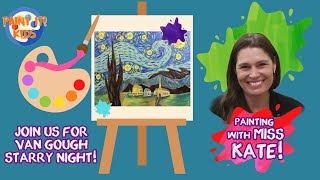
Drawing for kids - Painting for kids - Learn to Paint Van Gogh's Starry Night - art for kids
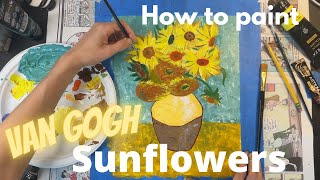
How to Paint Van Gogh Sunflowers | Art Lesson (for kids & adults)
Facts about painting techniques for kids
🎨 Vincent van Gogh created about 2,100 artworks in his short career, including roughly 860 oil paintings.
🌌 The Starry Night was painted in 1889 while Van Gogh was in an asylum at Saint-Rémy and mixes real view and imagination.
🖌️ Van Gogh's signature look often uses short swirling brushstrokes and thick impasto to add texture and energy.
🌈 He loved bold, expressive color and often paired complementary colors (like blue and orange) to make scenes pop.
⏱️ Acrylic and tempera paints dry much faster than oil paint, which makes them great for kids to layer and experiment quickly.
How do I guide my child to paint like Van Gogh?
What materials do I need for a Paint Like Van Gogh activity?
What ages is the Paint Like Van Gogh activity suitable for?
What are the benefits of doing a Van Gogh–style painting with kids?
