Practice basic calligraphy with KennaKat12
Practice basic calligraphy strokes and letters using a marker, pen, and guide sheets while following KennaKat12's step-by-step demonstrations to improve handwriting.


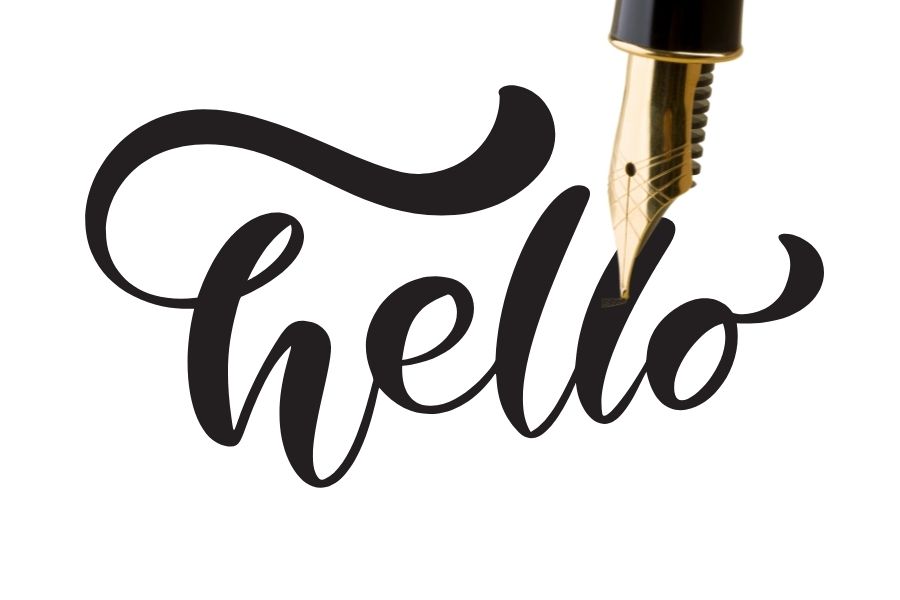

Step-by-step guide to practice basic calligraphy with KennaKat12
Step 1
Gather your marker pen guide sheets plain paper pencil and eraser and put them on your workspace.
Step 2
Open KennaKat12’s calligraphy tutorial and select the first demonstration to follow.
Step 3
Watch the selected demonstration all the way through to notice stroke direction and speed.
Step 4
Lay a guide sheet flat on your desk so the lines are easy to see.
Step 5
Hold your marker at a slight angle and rest your hand so it feels steady.
Step 6
Warm up by tracing the basic strokes on the guide sheet with the marker one stroke at a time.
Step 7
Trace whole letters on the guide sheet with the marker following KennaKat12’s steps.
Step 8
Switch to the pen and trace the same letters to practice thinner lines.
Step 9
Try writing the same letters freehand on plain paper using the pen.
Step 10
Write a short word on plain paper using the letters you practiced.
Step 11
Look back at KennaKat12’s demo and compare your strokes to the example.
Step 12
Make one small change to your grip or pressure and practice one more short word.
Step 13
Share a photo of your finished calligraphy piece on DIY.org.
Help!?
What can I use if I don't have the exact marker, pen, or printed guide sheets listed in the instructions?
Swap the marker for any felt-tip or chisel-tip marker, use a fine-liner or ballpoint instead of the pen, and make a temporary guide sheet by drawing parallel practice lines on plain paper with a pencil and eraser.
My strokes look shaky or the ink smears when I trace—what should I try to fix this?
Follow the step to hold your marker at a slight angle and rest your hand on the desk for stability, slow your stroke speed as shown in KennaKat12’s demo, and reduce pressure or switch to the pen to avoid smearing.
How can I change the activity for younger or older kids while following the same steps?
For younger kids use a thicker marker, larger guide lines, and only warm up by tracing basic strokes, while older kids can skip more tracing, switch to the pen sooner, and practice freehand words and grip adjustments.
What are simple ways to extend or personalize the calligraphy practice after finishing the demo and the short word?
Use the letters you practiced to design a small greeting card or nameplate with added color from other markers, try changing one small grip or pressure as in the instructions, and then share the finished piece photo on DIY.org.
Watch videos on how to practice basic calligraphy with KennaKat12
The Easiest Kind of Calligraphy (In 3 Minutes!)
3 Videos
The Easiest Kind of Calligraphy (In 3 Minutes!)
Learn Calligraphy: A Step-by-Step Calligraphy Tutorial for Beginners
Calligraphy for Beginners | Learn the Basics
Facts about calligraphy and hand lettering for kids
🖋️ "Calligraphy" comes from Greek words meaning "beautiful writing."
✍️ Practicing just 10–15 minutes a day can make handwriting and pen control noticeably better in a few weeks.
🎨 Many beginner-friendly styles (like brush and pointed-pen) teach the same idea: thin upstrokes and thick downstrokes.
🖊️ You can start modern calligraphy with inexpensive markers or brush pens — you don't need pricey tools to begin!
📏 Guide sheets with lines, slants, and x-heights are secret helpers that make letters more consistent fast.
How do I practice basic calligraphy with KennaKat12?
What materials do I need to practice basic calligraphy with KennaKat12?
What ages is practicing basic calligraphy with KennaKat12 suitable for?
What are the benefits and safety tips for practicing basic calligraphy with KennaKat12?
