Tell us about your favourite cheese
Create a mini cheese-tasting journal with an adult: sample small pieces of three cheeses, note smells, textures, and flavors, then draw and rate favorites.


Step-by-step guide to Tell us about your favourite cheese
Step 1
Wash your hands with soap and water for 20 seconds.
Step 2
Lay out the paper and pencil and put your colouring materials nearby.
Step 3
Ask an adult to place the three cheeses on separate plates and cut small tasting pieces.
Step 4
Put a number or name on a small scrap of paper and tape it next to each plate.
Step 5
Look at the cheese on plate 1 and draw its shape and color on your paper.
Step 6
Smell the cheese on plate 1 and write three words that describe the smell.
Step 7
Touch the cheese on plate 1 with a clean toothpick and write one word that describes the texture.
Step 8
Taste a small bite of the cheese on plate 1 and write one sentence about the flavor.
Step 9
Rinse your mouth with water or eat a plain cracker to clear your palate.
Step 10
Repeat Steps 5 to 9 for the cheeses on plates 2 and 3.
Step 11
Circle the cheese you like best on your paper.
Step 12
Give each cheese a star rating from 1 to 5 and write one short reason for each score.
Step 13
Tidy up the plates and throw away toothpicks and clean your area with an adult.
Step 14
Share your finished cheese-tasting journal on DIY.org.
Help!?
What can we use instead of toothpicks, plates, or tape if we don’t have them?
If you don't have toothpicks or plates for Steps 3, 7, and 8, use clean disposable spoons or fork tines to touch and taste, place cheeses on paper plates or clean napkins, and use stickers or a marker on the table instead of tape for Step 4.
What should we do if tastes linger or we run out of clean toothpicks during the tasting?
If your mouth still tastes like the previous sample after Step 9 or you run out of clean toothpicks from Step 7, rinse with plain water, wait 2–3 minutes between samples, and ask the adult to replace pieces or use a clean fork tine for the next tasting in Step 10.
How can I adapt the activity for younger or older kids?
For preschoolers, simplify Steps 5–9 to looking, one touch, and one taste with stickers or drawings instead of writing, while older kids can expand Steps 5–12 with detailed flavor descriptors, a comparison chart, and a short cheese-origin research before sharing in Step 14.
How can we extend or personalize the cheese-tasting activity?
To enhance the activity, add a blindfold round for Steps 5–8 to focus on smell and taste, create a comparison chart of your star ratings from Step 12, and photograph your drawings to include with your journal when you share on DIY.org in Step 14.
Watch videos on how to Tell us about your favourite cheese
How to make homemade cheese: A simple guide for beginners - step by step
3 Videos
How to make homemade cheese: A simple guide for beginners - step by step
Making Mozzarella Cheese in the Classroom
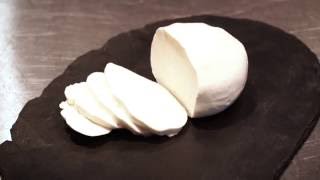
The 8 Steps of Cheese Making
Facts about cheese tasting and food safety for kids
🧀 Over 1,800 kinds of cheese are made around the world — from crumbly to creamy!
🐮 Cheese can be made from milk of cows, goats, sheep, and even water buffalo — each milk gives a different flavor.
🕰️ People have been making cheese for thousands of years — cheese-making goes back to ancient times.
👃 Around 80% of what we think of as "taste" actually comes from smell, so sniffing cheese helps a lot!
🎨 Cheeses come in many colors and shapes — some are blue-veined, some are hard wheels, and some are soft rounds perfect for spreading.
How do I do the mini cheese-tasting journal activity with my child?
What materials do I need for the cheese-tasting journal?
What ages is this cheese-tasting activity suitable for?
What are the benefits, safety tips, and variations for this cheese-tasting activity?
