Paint your face like a tiger
Use safe face paints, brushes, and a mirror to paint your face like a tiger, learning color blending, stripe patterns, and cleanup with adult supervision.
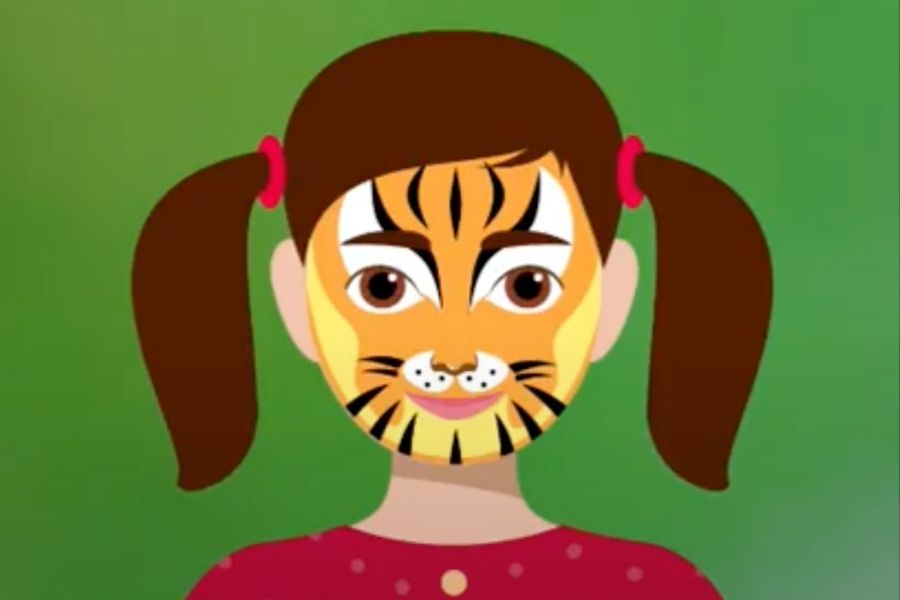
About this activity
Use safe face paints, brushes, and a mirror to paint your face like a tiger, learning color blending, stripe patterns, and cleanup with adult supervision.
What you need
Step by step
- 1
Step 1
Wash your hands with soap and water.
- 2
Step 2
Tie your hair back so it stays away from your face.
- 3
Step 3
Put on an old shirt or drape a towel over your shoulders to protect your clothes.
- 4
Step 4
Sit at a table and place the paints the brushes the sponge the cup of water the paper towels and the mirror within reach.
- 5
Step 5
Put a small dollop of orange paint onto the medium brush or sponge.
- 6
Step 6
Use the mirror to gently dab the orange paint across your forehead cheeks and upper nose.
- 7
Step 7
Rinse the sponge or medium brush in the cup of water.
- 8
Step 8
Dry the sponge or medium brush on a paper towel.
- 9
Step 9
Put a small amount of white paint onto the thin brush.
- 10
Step 10
Paint the white muzzle under your nose and small white highlights near your eyes using the mirror.
- 11
Step 11
Rinse the thin brush in the cup of water.
- 12
Step 12
Dry the thin brush on a paper towel.
- 13
Step 13
Put black paint on the thin brush and paint tiger stripes on your forehead and cheeks plus a small triangle on the tip of your nose and whisker dots beside your mouth.
- 14
Step 14
Ask an adult to help you remove the face paint using baby wipes or warm water and soap when you are ready to clean up.
- 15
Step 15
Share a photo of your finished tiger face on DIY.org.
Fun facts
How do I paint my child's face like a tiger?
To paint a child's face like a tiger, start with clean skin and do a small patch test. Apply an orange base with a sponge, leaving a white muzzle and forehead highlights. Use a thin brush for black stripes, nose, and whisker dots. Blend edges for softer fur. Add ear tips and fine white lines for contrast. Let layers dry between steps and have an adult supervise and hold a mirror for the child to watch progress.
What materials do I need to paint a tiger face?
You'll need FDA-approved, water-based, non-toxic face paints in orange, white, and black, several small brushes (thin and medium), a sponge for base application, a cup of clean water, paper towels or wipes, a mirror, and gentle soap for cleanup. Optional items: a kid-safe face glitter, a stencil for stripes, and a towel to protect clothing. Always check ingredient lists for allergies and choose fragrance-free formulas.
What ages is tiger face painting suitable for?
This activity is generally suitable for children aged 3 and up. Toddlers under 3 may find sitting still difficult and should have very simple designs with short sessions. Ages 4–10 are ideal for more detailed tiger stripes and color blending with adult help. Teens can enjoy intricate face painting as well. Always perform a patch test and supervise children with sensitive skin or a history of allergies.
Is face painting safe and what should I know about cleanup?
Safety tips: use only hypoallergenic, water-based paints, do a small patch test, avoid eyes and broken skin, and supervise at all times. Keep cleaning supplies on hand and remove paint gently with warm water and mild soap. Benefits include creativity, role play, fine motor practice when helping brush on paint, and boosting confidence. For variation, try half-face tigers or add washable glitter for parties.
Watch & Learn
Need help?
What can we use if we don't have face paints, a makeup sponge, or special brushes?
Use cosmetic-grade, water-based children's face paint or washable tempera specifically labeled skin-safe instead of unknown craft paints, swap the medium sponge for a clean makeup sponge or a cut piece of kitchen sponge for dabbing the orange across your forehead/cheeks/upper nose, and replace specialty brushes with clean craft or makeup brushes while using a small jar as the cup of water.
My orange base looks streaky and the black stripes are bleeding—how can I fix that?
Blot excess water from the sponge on a paper towel before dabbing the orange (step: 'gently dab the orange paint'), apply the base in thin layers letting each dry after rinsing/drying the sponge, and paint black stripes with a drier thin brush and only after the white muzzle has fully dried to prevent bleeding.
How can I adapt this face-paint tiger activity for different ages?
For toddlers have an adult do the orange sponge dabbing and paint just the white muzzle while skipping thin brush details, for younger school-age kids let them follow all steps with supervision, and for older kids encourage practicing thin-brush stripes themselves and self-cleanup with baby wipes or warm soapy water.
How can we enhance or personalize the tiger face after following the steps?
After completing the orange base, white muzzle, and black stripes, add glitter gel highlights or colored face-paint accents with the thin brush, paint whiskers and paw prints on hands, and finish by attaching felt tiger ears to a hair tie and sharing a photo on DIY.org.