Do chores
Complete three household chores such as tidying a room, washing dishes, and sorting laundry, then time yourself and reflect on skills learned.



Step-by-step guide to complete three household chores
Why Chores For Kids Matter | And How To Use Chores Effectively
Step 1
Pick the three chores you will do today: tidying a room washing dishes and sorting laundry.
Step 2
Gather all your materials and bring them to the place you'll work.
Step 3
Write the name of each chore on a line in your notebook.
Step 4
Set your timer to start timing the first chore and get ready.
Step 5
Tidy the room by picking up items from the floor and putting each item where it belongs.
Step 6
Stop the timer when the room is tidy and write the elapsed time next to that chore in your notebook.
Step 7
Reset or set the timer and get ready for the second chore.
Step 8
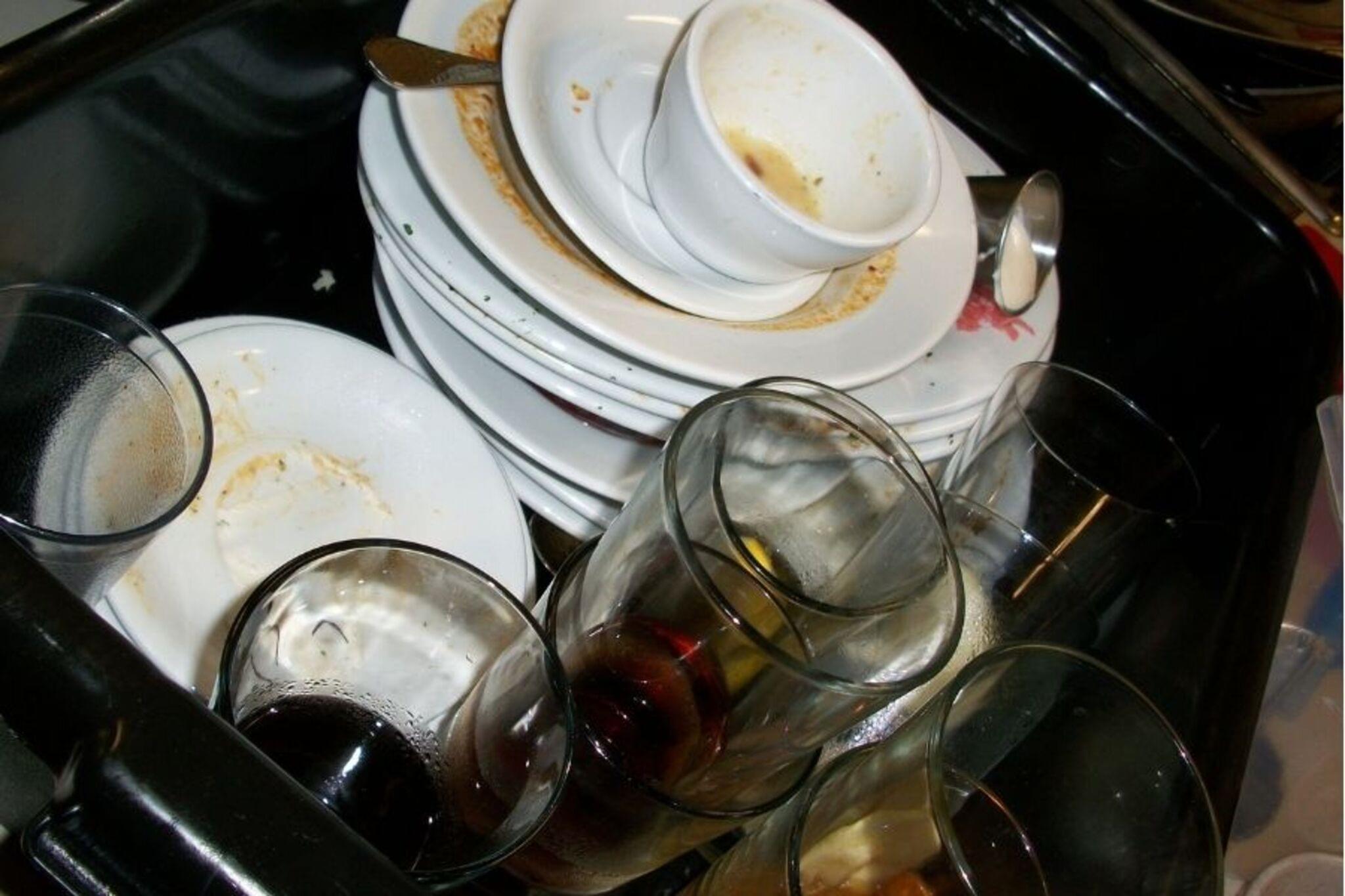
Wash the dishes by soaping rinsing and placing them on the towel or drying rack.
Step 9
Stop the timer when the dishes are done and write the elapsed time next to that chore in your notebook.
Step 10
Set the timer for the third chore and prepare the laundry basket.
Step 11
Sort the laundry into piles for colors whites and delicates and place each pile in the laundry basket.
Step 12
Stop the timer when sorting is finished and write the elapsed time next to that chore in your notebook.
Step 13
Write three things you learned or skills you improved while doing the chores and write one goal for next time.
Step 14
Share a photo or a short description of your checklist times and reflection on DIY.org.
Help!?
What can we use instead of a kitchen timer, notebook, towel/drying rack, or laundry basket if we don't have them?
Use a phone timer for the timing steps, a sheet of paper or school notebook to write each chore and elapsed times, a clean bath towel or baking sheet for the 'towel or drying rack' to hold washed dishes, and a laundry hamper, shopping bag, or cardboard box as the 'laundry basket'.
What should we do if the timer stops, items are hard to find a home for, or dishes are greasy during the activity?
If the timer is interrupted, pause or reset it before continuing; sort the room in small zones and put 'belongs in another room' items in a labeled box while tidying, and wear rubber gloves and scrape greasy pans before the soaping and rinsing step to make washing faster and safer.
How can we adapt the three chores and timing steps for different ages?
For preschoolers, pick just one chore, use picture cards in the notebook and very short timers with adult help for washing dishes and sorting laundry, while older kids can time themselves competitively, add folding or loading the washer, and write a full reflection and goal to post on DIY.org.
What are simple ways to extend or personalize the chore-timing activity after finishing the three tasks and reflections?
Take before-and-after photos for each chore, chart your elapsed times in the notebook to watch progress, create a reward or music playlist for each timed task, and set a specific improvement goal to include when you share your checklist and reflection on DIY.org.
Watch videos on how to complete three household chores
Chores for Kids - Helping Around the House
4 Videos

Chores for Kids - Helping Around the House
CHORE SYSTEM FOR KIDS THAT WORKS! DIY Chore Charts
Kids Chore Chart Video - Step-by-Step System to Clean the House!

Chores Systems for Kids | Chores for Kids Ages 5-8 years old
Facts about household chores for kids
🧹 Doing regular chores helps kids build responsibility and everyday life skills — it's practice for independence!
⏱️ Timing chores turns them into a fun challenge, and many kids find they work faster when trying to 'beat the clock'.
🧼 Washing dishes trains fine motor skills — scrubbing, rinsing, and stacking use hand-eye coordination and careful movements.
🧺 Sorting laundry is a sneaky learning game: it practices colors, patterns, and categorizing skills.
📈 Keeping a time log for chores helps you see progress — small improvements add up and feel rewarding!
How do I run a timed chore challenge where my child tidies a room, washes dishes, and sorts laundry?
What materials do I need for a timed chore and reflection activity?
What ages is this timed chore activity suitable for?
What skills and benefits will my child gain from timed chores and reflection?
