Show off your posture!
Make a personalized posture checklist and practice standing, sitting, and walking poses in front of a mirror, measuring improvements with simple daily observations.


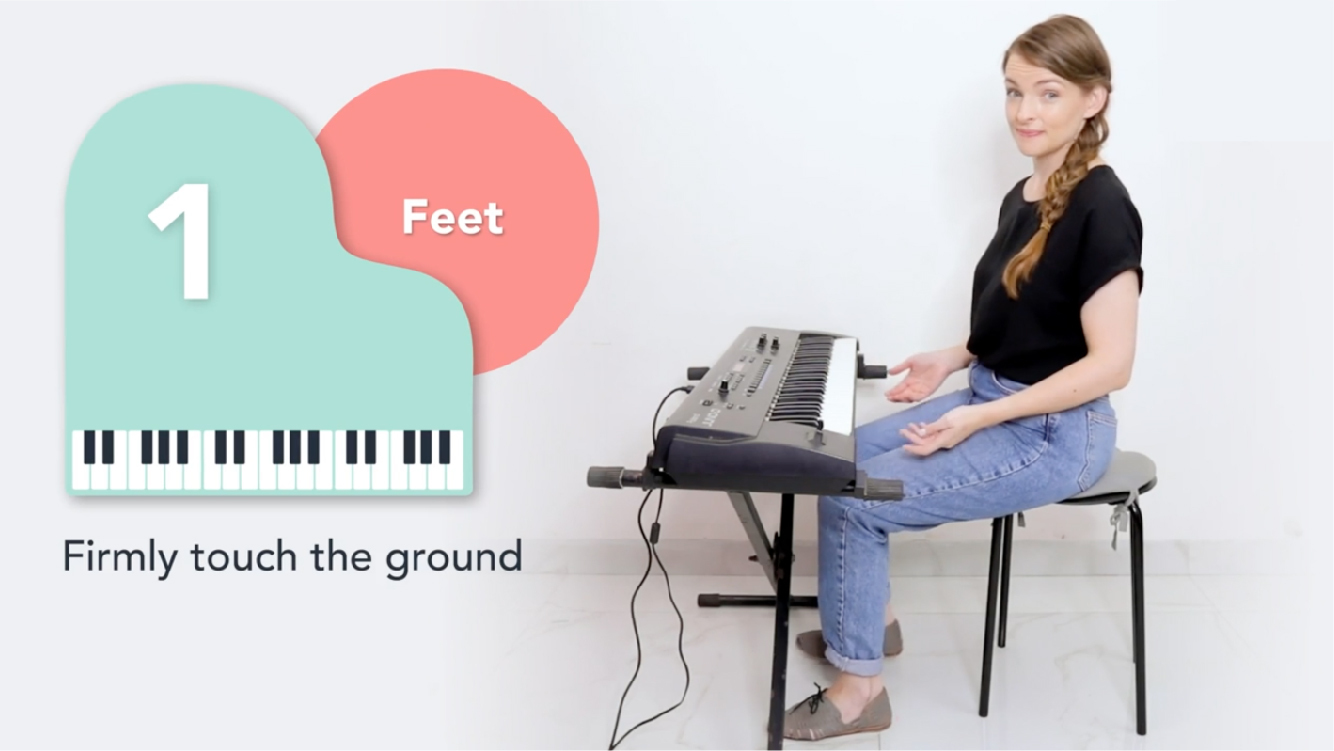

Step-by-step guide to show off your posture
Step 1
Gather your materials and put them near a well-lit mirror.
Step 2
On your paper draw a checklist with columns labeled Date Standing Sitting Walking Notes.
Step 3
Draw a simple 1–5 smiley rating scale next to each pose column.
Step 4
Write your name at the top and decorate the checklist using your colouring materials.
Step 5
Place a chair in front of the mirror for your sitting pose.
Step 6
Put a small mark on the floor where you will stand for the standing pose.
Step 7
Mark a short 3-step walking path in front of the mirror using tape or marks.
Step 8
Stand on your standing mark and hold a tall posture for 10 seconds while looking in the mirror (shoulders relaxed chin level belly slightly in).
Step 9
Sit in the chair and hold an upright sitting posture for 10 seconds while checking the mirror (sit back feet flat shoulders relaxed).
Step 10
Walk your 3-step path slowly keeping your posture and look forward as you step.
Step 11
Write today’s date on the checklist.
Step 12
Rate each pose on the smiley scale.
Step 13
Write one short note about how the session felt today.
Step 14
Repeat steps 8 to 13 each day for at least 7 days to track your improvements.
Step 15
Share your finished checklist and what you learned on DIY.org.
Help!?
What can we use if we don't have a well-lit mirror, tape for the walking path, or a chair?
Use a tablet or phone screen propped up as a mirror, mark the 3-step walking path with string, sticky notes, or chalk instead of tape, and substitute a sturdy stool or bench for the chair.
What should I do if I can't see my whole body in the mirror or I lose balance during the 10-second standing pose (step 8)?
Move the mirror further back or use your phone camera to view full posture, shorten the hold to a few seconds while practicing, and lightly touch the back of the chair for support while keeping shoulders relaxed and chin level.
How can I adapt the activity for younger children, older kids, or someone with limited mobility?
For younger kids use big stickers and 3–5 second holds with a parent marking the floor, for older kids add timed repeats and photos, and for limited mobility reduce the walking path and focus on seated posture and notes over the seven-day tracking.
How can we enhance or personalize the checklist and sharing step to track progress beyond smiley ratings?
Color-code columns, add before-and-after photos or short videos of your standing, sitting, and walking poses, include one simple daily stretch to improve scores, and then share your decorated checklist and progress on DIY.org.
Watch videos on how to show off your posture
IMPROVE KIDS POSTURE AT HOME - EASY AND SIMPLE EXERCISES
4 Videos
IMPROVE KIDS POSTURE AT HOME - EASY AND SIMPLE EXERCISES
KIDS DAILY POSTURE ROUTINE - HOME EXERCISES

Posture Exercises for Kids
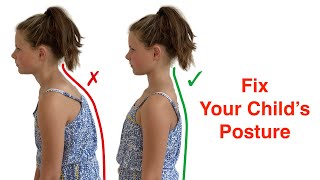
Easy and Simple Exercises for the Best Posture for Children
Facts about posture and body awareness for kids
🧍 Good posture can help reduce back and neck pain and even make it easier to take deep breaths!
🪞 Practicing in front of a mirror helps you instantly spot if your shoulders are slumped or your head is forward.
📅 Just a few minutes of daily posture practice can add up—kids often see noticeable improvement in weeks.
🧠 Your posture can affect your mood and confidence: standing tall often makes you feel more energetic and brave.
🪑 Ergonomic chairs and desks help, but the best posture tool is your own mindful practice—it's free and goes everywhere!
How do I do the 'Show off your posture' activity with my child?
What materials do I need for the posture checklist activity?
What ages is this posture checklist activity suitable for?
What are the benefits and safety tips for practicing posture with my child?
