Give the story your twist!
Rewrite a favorite short story to change its ending, then create an illustrated alternate ending or comic strip to explore cause and effect.


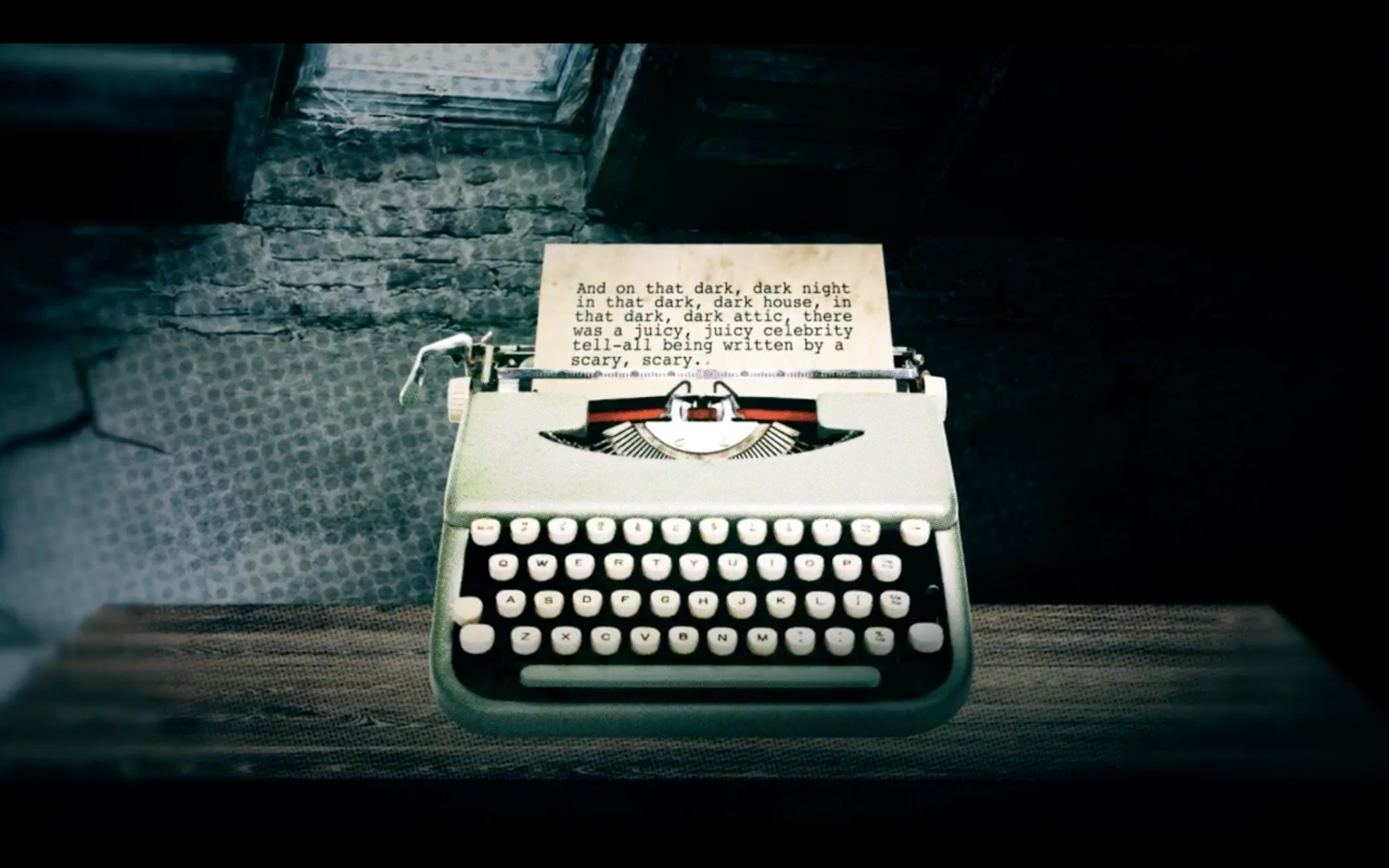

Step-by-step guide to Give the story your twist!
Step 1
Pick a favorite short story and read its original ending.
Step 2
On a sheet of paper write the main events that happen in the original ending.
Step 3
Circle one decision or event in that list that you want to change.
Step 4
Decide what new choice or event you will make happen instead.
Step 5
Write a short outline of your alternate ending in three to six sentences focusing on causes and effects.
Step 6
Choose whether you will make a single illustrated page or a comic strip with panels.
Step 7
Lightly draw the layout of your page or comic panels using your pencil and ruler.
Step 8
Sketch each scene in the panels to show the new cause-and-effect events.
Step 9
Add simple dialogue or captions that explain why things happen in your new ending.
Step 10
Ink over your pencil lines with a black pen or fine-liner to make them bold.
Step 11
Color your drawings using your coloring materials.
Step 12
Write one sentence that compares the original ending and your new ending to show the difference.
Step 13
Add a title and sign your name on your finished piece.
Step 14
Share your finished creation on DIY.org.
Help!?
What can we use instead of a black pen or fine-liner if we don't have one?
If you don't have a black pen or fine-liner for inking in Step 11, use a thin-tipped permanent marker or carefully retrace your lines with a darker, well-sharpened pencil and test on scrap paper before inking over your pencil lines.
My panels look crowded or my drawings look messy—how do I fix that?
Redo the light layout from Step 6 using your pencil and ruler to resize panels, simplify each sketch in Step 9 to focus on the new cause-and-effect events, and only ink (Step 11) once you're satisfied so lines stay clean.
How can I adapt this activity for different age groups?
For younger kids, shorten Steps 3–5 to pick one event and write a one-sentence alternate ending with a single illustrated page and large panels, while older kids can expand Step 4 into a longer outline, add more panels in Step 6, and include detailed dialogue in Step 9.
How can we make the finished project more special or advanced?
Create a two-page spread showing the original ending's main events from Step 2 on one page and your alternate panels from Steps 6–9 on the other, experiment with mixed-media coloring materials, and then share both pages on DIY.org.
Watch videos on how to Give the story your twist!
The Hare And The Tortoise (Story with a Twist) - Read Aloud Story for Kids
4 Videos
The Hare And The Tortoise (Story with a Twist) - Read Aloud Story for Kids
Little Red Riding Hood "With a Twist" | Kids TV Show | episode + read aloud | 25 minute read aloud
How to Create a Story Map for Kids - Planning Your Narrative Writing
How To Create Story Book For Kids Using Canva And ChatGPT
Facts about creative writing and storytelling
📚 Ernest Hemingway is often credited with a six-word story — "For sale: baby shoes, never worn" — showing how a tiny ending can pack a huge punch.
✍️ Fan fiction communities host millions of alternate endings and rewrites, so changing a story’s ending joins a huge, creative tradition.
🎭 A plot twist (like swapping an ending) can make readers rethink everything they thought they knew about a story.
🖼️ The comic strip "The Yellow Kid" (1895) helped popularize telling short, funny or dramatic stories in panels.
🧩 The term "sequential art," popularized by Will Eisner, describes how pictures in order can clearly show cause and effect.
How do I run the 'Give the story your twist!' activity with my child?
What materials do I need for the 'Give the story your twist!' activity?
What ages is the 'Give the story your twist!' activity suitable for?
What are the benefits of doing the 'Give the story your twist!' activity?
