Create music without instruments
Make and perform music using only body percussion, voice, and found household objects; explore rhythms, melodies, layering, and simple recording to share.


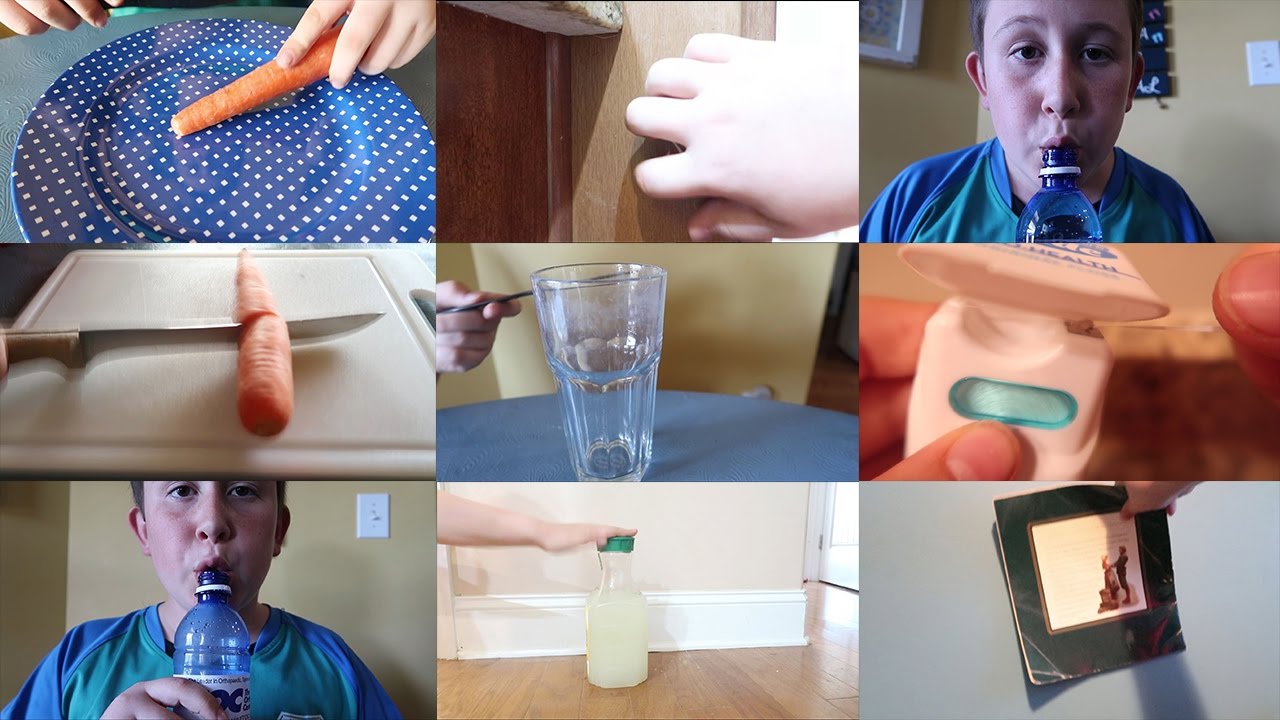
Step-by-step guide to create music without instruments
Step 1
Gather your materials and move to a clear space where you can make sounds without bumping anything.
Step 2
Warm up your body and voice by shaking your arms and legs and humming for one minute.
Step 3
Choose three objects from your pile to be the main sound-makers for your song.
Step 4
Try one way of playing each chosen object for 30 seconds to find the best sound for each one.
Step 5
Create a simple 4-beat rhythm pattern using claps stomps or one object and practice it until you can repeat it twice in a row.
Step 6
Pick a short 3- or 4-note melody and practice singing or humming it three times.
Step 7
Record yourself performing the 4-beat rhythm twice so you have a base track to layer on.
Step 8
Play back the rhythm recording and record yourself singing the melody while listening to the rhythm to make a second layer.
Step 9
While listening to your two layers record one more layer using an object or body percussion to add texture.
Step 10
Decide the order of your song sections (for example intro verse chorus) and rehearse the whole piece once in that order.
Step 11
Share your finished creation on DIY.org
Help!?
I don't have a recorder or three objects—what can we use instead?
Use a smartphone or tablet voice‑memo app to record and substitute body percussion (claps, stomps, snaps) or household items like a wooden spoon, plastic container, and keys for the 'choose three objects' step.
My melody doesn't line up with the rhythm when I record the second layer—how do I fix that?
Play the recorded 4‑beat rhythm back through headphones and count or tap the four beats (or use a metronome) before you start singing so the melody recording locks to the base track.
How can I adapt this activity for younger or older kids?
For younger children, pick one object, try each sound for 15 seconds with adult help and make a single recorded take of the rhythm and melody, while older kids can expand to 8‑beat patterns, use more than three objects, and layer tracks in a multi‑track app.
What are simple ways to extend or personalize our song before sharing it on DIY.org?
Write short lyrics for your 3–4 note melody, add a textured object layer as the third recording with varied dynamics and a planned section order (intro/verse/chorus), then design simple cover art and upload the final performance to DIY.org.
Watch videos on how to create music without instruments
Music without Instruments - Household items only!
4 Videos
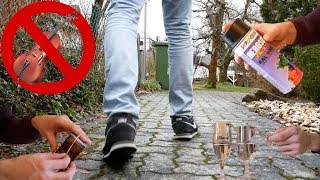
Music without Instruments - Household items only!
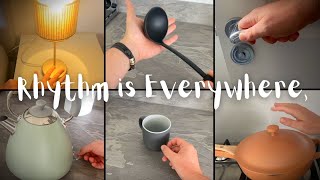
Rhythm is Everywhere - song made with household objects
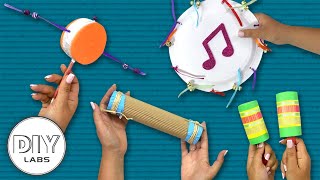
4 MUSICAL INSTRUMENTS Crafts you can do anytime | Fast-n-Easy | DIY Labs
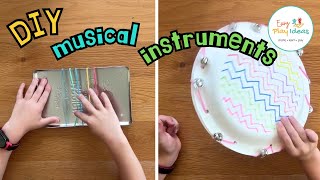
5 DIY Musical Instruments That Actually Work - Make Music at Home
Facts about music-making for kids
🥁 Body percussion uses claps, snaps, stomps and chest beats to make rhythms—many cultures have used it in folk music and storytelling for centuries.
🎤 Beatboxers use their mouth, lips and voice to imitate drums, bass and effects—some advanced beatboxers layer sounds to create the feel of a whole band.
🎧 Musique concrète, pioneered by Pierre Schaeffer in 1948, turns recorded everyday sounds into musical pieces—think of it as early sampling.
🔁 Live looping lets one person record short musical phrases and overdub them in real time so a solo performer can build whole songs from layers.
🥛 Everyday household objects can be musical—fill glasses with different water levels, tap pots, or stretch rubber bands to make tuned sounds and fun textures.
How do you create music without instruments with kids?
What materials do I need to make music without instruments?
What ages is body percussion and found-object music suitable for?
What are the benefits and safety tips for making music without instruments?
