Write an ode!
Write an ode celebrating a person, pet, place, or object; practice rhyme, rhythm, vivid descriptions, revising drafts, and performing your poem aloud.



Step-by-step guide to write an ode
Step 1
Pick one person pet place or object you want to celebrate in your ode.
Step 2
Write down ten words that describe your subject using your five senses like how it looks sounds smells feels or tastes.
Step 3
Decide to write three short stanzas for your ode so your poem will have a clear beginning middle and end.
Step 4
Choose a rhyme scheme to try like AABB ABAB or free verse so you know how lines should match.
Step 5
Write all three stanzas with three to five lines each about your subject.
Step 6
Add at least two sensory details to each stanza to make your descriptions vivid and exciting.
Step 7
Change words so the lines follow the rhyme scheme you picked.
Step 8
Read the whole poem aloud to listen for rhythm and where the words flow or stumble.
Step 9
Edit your poem to improve any awkward words fix rhymes and make the rhythm smoother.
Step 10
Give your ode a short title that captures its feeling.
Step 11
Draw a small illustration or decorate the page to match your poem.
Step 12
Practice performing your ode aloud three times using expression and clear voice.
Step 13
Share your finished ode on DIY.org so others can hear and enjoy your poem.
Help!?
What can we use if we don't have colored pencils or can't access DIY.org to share the ode?
Use crayons, markers, magazine cut-outs, or a phone/tablet drawing app for the illustration in step 11, and if DIY.org isn't available record your performance on a phone or read it to family instead of sharing online.
My rhymes sound forced and the poem trips when I read it aloud—what should I try?
If rhymes feel forced or the rhythm stumbles when you read aloud (step 8), switch to free verse or replace awkward words as you edit (steps 4, 9) and read it again until the lines flow.
How can I adapt this ode activity for much younger children or older kids who want more challenge?
For younger children, do one three-line stanza and list five sensory words (steps 2, 3, 5), while older kids can add richer sensory details, use a stricter rhyme scheme or extra stanzas, and record a polished performance to post on DIY.org (steps 6, 4, 3, final step).
What are some ways to extend or personalize the ode beyond the basic instructions?
Expand to five stanzas, add a collage or labeled illustration that matches each stanza's sensory details (step 11), experiment with background music or props during your three practice performances (step 12), and give the ode a memorable title before sharing on DIY.org.
Watch videos on how to write an ode
Ode Poetry For Kids // Poetry Writing For Kids
4 Videos

Ode Poetry For Kids // Poetry Writing For Kids
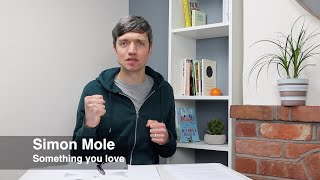
Write an ode poem in ten minutes - fun step by step lesson (Simon Mole x National Literacy Trust)

How To Write An Ode Step By Step? - Tales And Texts
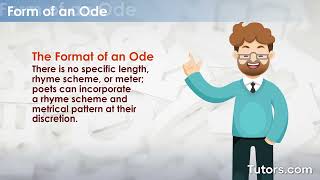
Odes | Form, Types, and Examples
Facts about poetry and creative writing
📝 Odes go back to ancient Greece — poets like Pindar and Horace wrote odes to celebrate heroes and events over 2,000 years ago.
🎵 Rhythm and meter give odes their musical feel — classical odes often used strict patterns, while modern odes can be free verse.
🐦 John Keats wrote "Ode to a Nightingale" during a famous burst of inspiration in 1819, showing poems can come fast!
✏️ Editing is part of the magic — many celebrated poems were rewritten many times before poets were happy with them.
🎤 Performing a poem aloud helps you hear rhyme, rhythm, and vivid images — poetry readings and slams bring words to life.
How do I help my child write an ode step-by-step?
What materials do I need to write an ode with my child?
What ages is writing an ode suitable for?
What are the benefits of having my child write an ode?
