Learn the Two Step
Learn and practice the Two Step dance by counting beats, following basic foot patterns, and improving balance and rhythm with short music sessions.


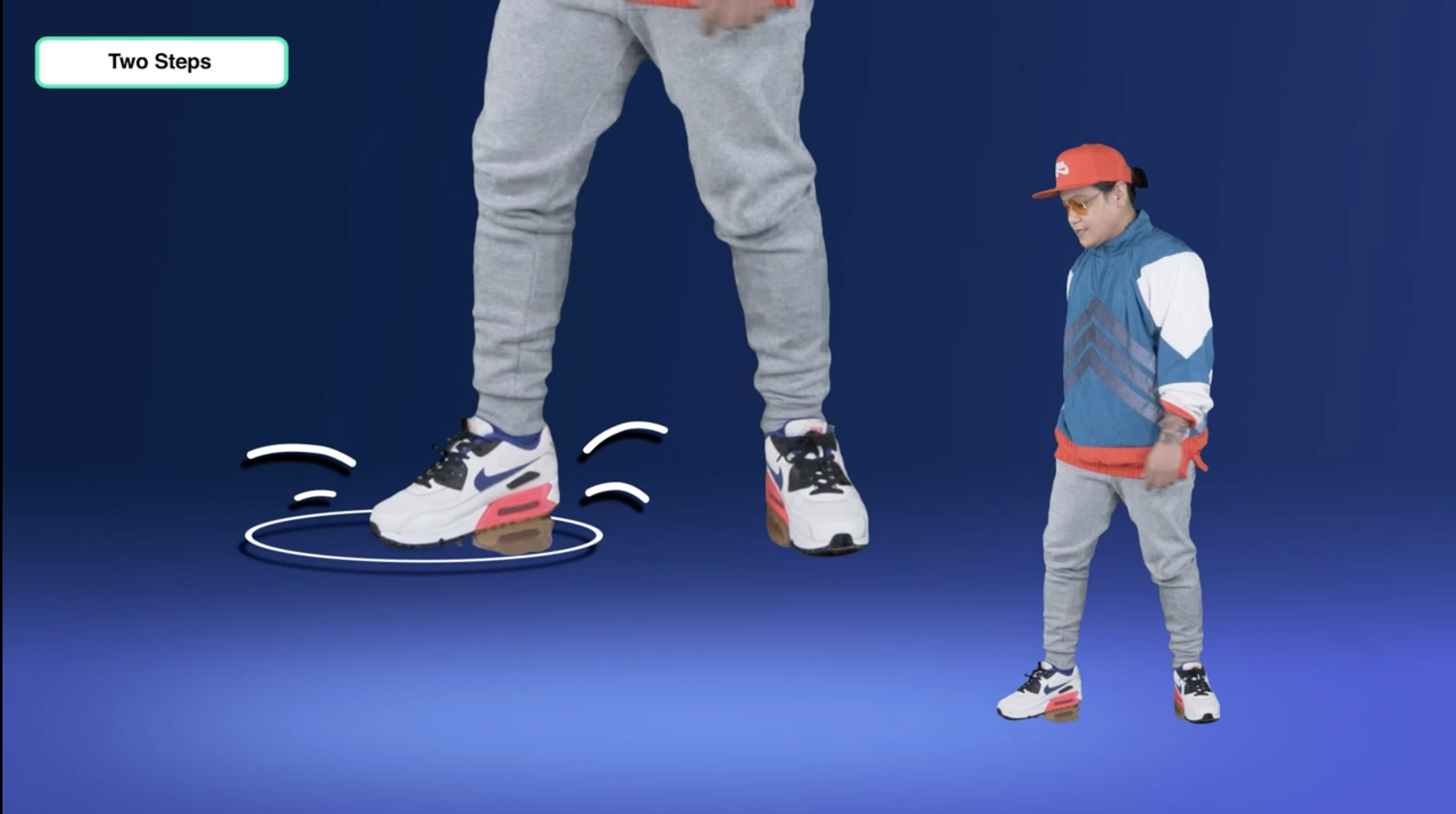
Step-by-step guide to learn the Two Step
Step 1
Put on your comfortable shoes so your feet are ready to move.
Step 2
Clear a safe open space by moving toys and furniture out of the way.
Step 3
Warm up by marching in place for 30 seconds to wake up your legs.
Step 4
Choose an upbeat song with a steady beat and get it ready to play.
Step 5
Press play and clap or tap to the beat for 8 counts to feel the rhythm.
Step 6
Stand with your feet together and say the count out loud “1-2-3-4” once.
Step 7
Step your left foot to the side quickly on count “1.”
Step 8
Bring your right foot to meet your left quickly on count “2.”
Step 9
Step your left foot to the side slowly across counts “3-4.”
Step 10
Now start the same pattern on the other side by stepping your right foot to the side quickly on count “1.”
Step 11
Practice alternating sides for one minute using quick-quick slow-slow and keep counting aloud to stay on beat.
Step 12
Share a short video or description of your Two Step practice on DIY.org so everyone can see your dancing!
Help!?
What can we use if we don't have comfortable shoes or a music player from the instructions?
If you don't have comfortable shoes, dance barefoot or in non-slip socks on a clean floor, and if you don't have a music player use a phone/tablet, a parent singing, or just clap the beat as directed in the 'Press play and clap or tap to the beat for 8 counts' step.
I'm losing the rhythm on the quick-quick slow-slow steps—how can I fix that?
If you lose the rhythm during the quick-quick slow-slow pattern, slow the song or practice the marching warm-up and 'clap or tap to the beat for 8 counts' step, then count aloud '1-2-3-4' and tap your foot on each count to reestablish timing.
How can I adapt the Two Step activity for different ages?
For younger children simplify by slowing the 'step left... step right' pattern and holding a caregiver's hand during the steps, while older kids can add faster tempo, extra repetitions of the one-minute alternating practice, or more complex arm movements.
What are some ways to extend or personalize the Two Step practice before sharing on DIY.org?
To extend and personalize the activity, add arm movements or a simple turn to the quick-quick slow-slow pattern, try different upbeat songs to change tempo, and record a short decorated-costume video as suggested for your DIY.org post.
Watch videos on how to learn the Two Step
Engineering Design Process Explained (Step By Step)
4 Videos
Engineering Design Process Explained (Step By Step)
4 Steps in Solving Problems

How to Create a Simple Process Map (With Examples)
2 Step Process to Create a Conceptual Framework With FREE AI Tools
Facts about dance fundamentals for kids
🕺 The two-step grew out of 19th-century social dances and later became a staple of American country-western halls.
👢 The country two-step is commonly danced to music around 100–160 beats per minute — perfect for practicing timing and rhythm.
🧭 Many two-step styles use an easy counted pattern like “one-two” or a “quick-quick-slow” rhythm to guide footwork.
🎶 Short, focused practice sessions (10–20 minutes) help build muscle memory and improve balance faster than one long run-through.
🥿 Wearing shoes with a smooth but secure sole makes turns and weight shifts easier and keeps your feet comfortable while practicing.
How do you teach a child to learn the Two Step dance?
What materials do I need to practice the Two Step with my child?
What ages is learning the Two Step suitable for?
What are the benefits of practicing the Two Step with kids?
