Volunteer and Share How you can help Your Community
Plan and perform a simple community volunteer activity, such as a neighborhood cleanup or helping a neighbor, then create and share a short report.


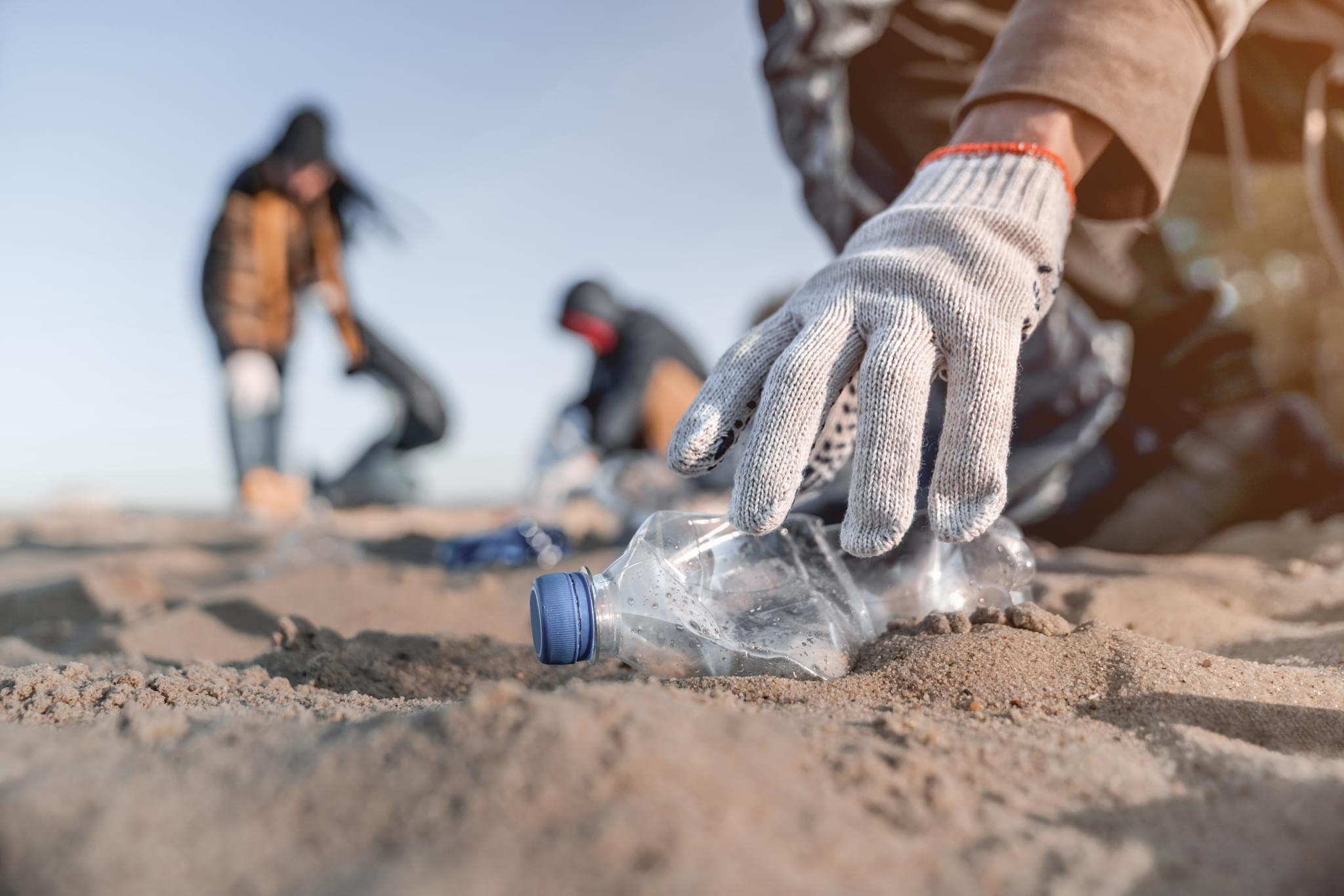

Step-by-step guide to volunteer and share how you can help your community
🙋♀️ Volunteering for Kids | International Volunteer Day | 5 December | Twinkl USA
Step 1
Decide which volunteer activity you will do (neighborhood cleanup or helping a neighbor) and write your choice at the top of your notebook.
Step 2
Pick a day and time for your activity and write the date and time in your notebook.
Step 3
Ask an adult to help you and to get permission from a parent or the neighbor you will be helping.
Step 4
Make a short checklist of 3 to 5 tasks you will do during the activity and number them.
Step 5
Gather the materials from the Materials Needed list and put them in a bag.
Step 6
Go to the chosen location with your adult and begin doing the tasks on your checklist.
Step 7
While you work, count or note one clear result (for example how many trash bags you fill or how many neighbors you help) and write that number in your notebook.
Step 8
Finish the activity, clean up your supplies, and wash your hands.
Step 9
Create a short report by writing a title and three short lines: one for what you did one for what you learned and one for how it helped the community.
Step 10
Add a small drawing or decorate your report and include the number or result you recorded.
Step 11
Ask your adult to help you upload or show your finished report and share your creation on DIY.org
Help!?
What can we use if we don't have some items from the Materials Needed list (like trash bags or gloves)?
Use a sturdy reusable bag or cardboard box instead of a trash bag and wear thick gardening gloves or double plastic bags for hand protection, then pack replacements in your bag as instructed in 'Gather the materials'.
What should we do if the neighbor says no or the adult helper can't come on the planned day?
If the neighbor says no or your adult helper is unavailable, choose the neighborhood cleanup option, write a new date and time in your notebook (step 2), and ask another trusted adult to help and get permission before you go (step 3).
How can this activity be adapted for younger or older children?
For younger children, use a 3-item picture checklist and have an adult handle permission and uploading, while older kids can write numbered task steps, count measurable results like bags filled in step 6, and write a more detailed report in step 9.
How can we extend or personalize the finished report to make it more meaningful?
Add before-and-after photos or a small map of the location, decorate the report title, include the recorded number of trash bags or neighbors helped from step 6, and add a short reflection line about what you learned.
Watch videos on how to volunteer and share how you can help your community
Together We Can | Learn About the Helpers in Your Community | PBS KIDS
4 Videos
Together We Can | Learn About the Helpers in Your Community | PBS KIDS

Creative Community Service Ideas for Kids Age 5 to 12
Youth Volunteerism

How Can Children Meaningfully Volunteer? - Parenting Latino Children in America
Facts about volunteering and community service for kids
🧹 A single neighborhood cleanup can collect hundreds of pieces of trash — and make parks safer and nicer.
🤝 Helping a neighbor with small tasks (like carrying groceries) builds friendships and stronger communities.
🌱 Community projects like planting trees and gardens help cool neighborhoods and support pollinators.
📸 Sharing a short photo or story about your volunteer activity often inspires others to volunteer too.
🧒 Kids as young as 5 can join supervised volunteer tasks — it’s a fun way to learn responsibility and kindness.
How do I plan and perform a simple community volunteer activity with my child?
What materials do I need for a child-friendly community volunteer activity and report?
What ages are suitable for planning and doing a community volunteer activity with kids?
What are the benefits of doing a community volunteer activity with my child?
