Meditate
Practice simple, kid-friendly meditation by learning breathing, body scan, and focusing exercises for short daily sessions to notice thoughts and feel calmer.


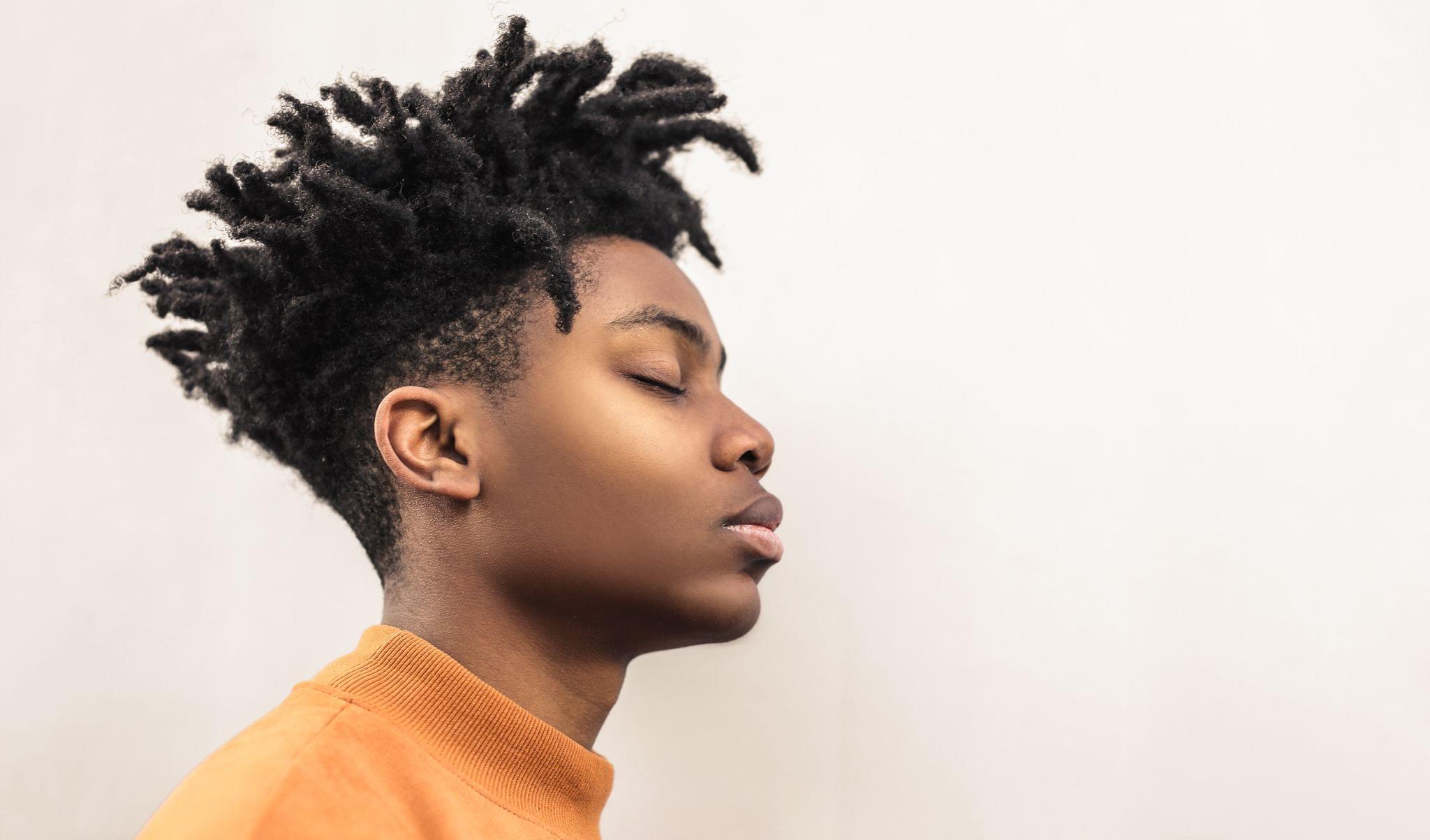

Step-by-step guide to meditate
How to Meditate: 6 Easy Tips for Beginners
Step 1
Find a quiet comfy spot and bring your cushion and stuffed animal.
Step 2
Set a gentle timer for 3 minutes or 5 minutes if you feel ready.
Step 3
Sit cross-legged or lie down on your cushion.
Step 4
Place your stuffed animal on your belly or rest one hand on your belly.
Step 5
Close your eyes or let your gaze soften to one spot.
Step 6
Take three slow belly breaths counting to three as you breathe in and out.
Step 7
Do the "smell the flower, blow the candle" breathing three times.
Step 8
Slowly scan your body from your toes up to your head and notice how each part feels.
Step 9
If your mind wanders, notice the thought gently and bring your focus back to your breath.
Step 10
When the timer beeps, take three big deep breaths.
Step 11
Wiggle your fingers and toes and gently open your eyes.
Step 12
Share your finished meditation practice on DIY.org.
Help!?
What can we use if we don't have a cushion, timer, or stuffed animal?
If you don't have a cushion use a rolled towel or small pillow, if you don't have a stuffed animal place a soft book or folded sock on your belly, and use a phone or kitchen timer set for 3 or 5 minutes.
My stuffed animal keeps falling off my belly or I can't feel my breaths—what should I try?
Try a slightly heavier stuffed animal or tuck it under your shirt so you can feel the belly rise during the three slow belly breaths counted to three, and set a shorter gentle timer (1–2 minutes) to practice focus before increasing time.
How can I adapt this meditation for a preschooler or a tween?
For preschoolers shorten the timer to 1–2 minutes, turn the 'smell the flower, blow the candle' breathing into a playful game with the stuffed animal and sit with a caregiver, while for tweens increase to 5–10 minutes and extend belly breaths to counts of four or five and include a full toes-to-head body scan.
How can we personalize or extend the activity after the timer beeps?
After the timer beeps try adding a favorite scent for the 'smell the flower' breaths, play soft music during the body scan, write one sentence about how your body felt, and share a photo or reflection of your finished meditation practice on DIY.org.
Watch videos on how to meditate
Kids Meditations for Confidence 💪😎
4 Videos

Kids Meditations for Confidence 💪😎
Mindful Breathing Exercises for Children | Guided Meditation For Kids
Experience Calmness: Mindfulness Grounding Exercise for Kids | Guided Meditation For Kids
Mindfulness Stretching | Guided Meditation For Kids
Facts about mindfulness for kids
🧘♀️ Even 3–5 minutes of daily mindful breathing can help children feel calmer and more ready to learn.
🌬️ Deep belly (diaphragmatic) breathing helps slow the heart and calms the nervous system.
🧠 A body-scan meditation teaches kids to notice tiny sensations from head to toe so they can ease tension.
⏱️ Short sessions (1–10 minutes) match kids' attention spans—start tiny and build up over time.
🎯 Focusing on one thing, like a breath or a sound, trains attention like a muscle that gets stronger with practice.
How do I guide my child through a short, kid-friendly meditation session?
What materials do I need for kid-friendly meditations?
What ages are simple meditation exercises suitable for?
What are the benefits of short daily meditation for children?
