Draw an Owl Eye
Draw an owl eye using pencil and colored pencils, focusing on shape, shading, and bright highlights. Practice observing reference photos and texture.
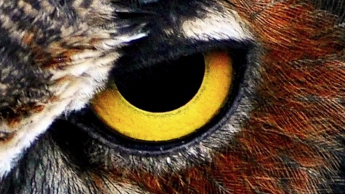
About this tutorial
Draw an owl eye using pencil and colored pencils, focusing on shape, shading, and bright highlights. Practice observing reference photos and texture.
What you need
Instructions
- 1
Step 1
Gather all your materials and place them on a clean flat workspace.
- 2
Step 2
Look closely at your reference photo for one minute and notice the iris shape colors and where the bright highlight sits.
- 3
Step 3
Lightly draw a circle for the outer eye shape with your pencil.
- 4
Step 4
Draw a smaller circle inside for the iris and a tiny circle for the pupil.
- 5
Step 5
Sketch simple feather shapes around the eye to show the eyelid and surrounding feathers.
- 6
Step 6
Use the eraser lightly to remove any extra construction lines you do not need.
- 7
Step 7
Shade the pupil dark with your pencil while keeping the tiny circle for the highlight white.
- 8
Step 8
Choose a base color and color the entire iris evenly with light pencil strokes.
- 9
Step 9
Draw darker lines radiating from the pupil toward the iris edge to create texture.
- 10
Step 10
Layer additional colors with light strokes to build depth and gently blend them with more pencil strokes.
- 11
Step 11
Add short feather strokes around the eye following the feather direction to create realistic texture.
- 12
Step 12
Gently lift tiny bright highlights with the eraser where the light hits the iris and nearby feathers.
- 13
Step 13
Share your finished owl eye drawing on DIY.org.
Fun facts
How do I draw an owl eye with pencil and colored pencils?
Start by studying a clear reference photo to notice the iris, pupil, eyelid, and feather textures. Lightly sketch the eye’s outer shape and central pupil with an HB pencil. Block in midtones, then build darker values with 2B or 4B for depth. Use colored pencils in layers—lay down base colors, add short feather strokes, and deepen shadows. Preserve a bright highlight by leaving paper white or add a white gel pen. Blend gently for smooth transitions.
What materials do I need to draw an owl eye?
You'll need a range of pencils (HB, 2B, 4B), a set of colored pencils including warm browns, yellows, golds, and white for highlights, a soft eraser and kneaded eraser, a sharpener, quality sketch paper or Bristol, blending stump or cotton swab, and clear reference photos of owl eyes. Optional extras: white gel pen for crisp highlights, a magnifier for detail, and a fixative spray to protect finished work.
What ages is drawing an owl eye suitable for?
This activity suits many ages with adjustments. Preschoolers (3–5) can try simplified oval shapes and bright color filling with supervision. Elementary kids (6–9) can practice basic shading and short feather strokes with guidance. Tweens and teens (10+) can work on realistic proportions, layered colored pencil techniques, and subtle textures independently. Tailor complexity, session length, and tools to each child’s skill and attention span.
What are the benefits, safety tips, and variations for drawing an owl eye?
Benefits include improved observation, fine motor control, color mixing, and patience as children match tones and textures. Safety notes: supervise sharp pencil use, keep small sharpenings away from young children, and choose non-toxic art supplies. Variations: try watercolor washes under colored pencils, make a stylized cartoon owl eye for younger kids, or study different owl species to compare color and pattern—great for combining art and nature lessons.
Watch & Learn
Need help?
What can I use if I don't have colored pencils or a kneaded eraser?
If you don't have colored pencils, use crayons or watercolor paints to fill the iris in the step 'Choose a base color and color the entire iris,' and replace a kneaded eraser with a clean vinyl eraser or a white gel pen to make the tiny highlight in 'Gently lift tiny bright highlights...'.
My iris looks flat or smudged after coloring—what should I do?
If the iris looks flat or muddy, sharpen your pencils and use light, radiating strokes from the pupil as in 'Draw darker lines radiating from the pupil toward the iris edge' and then layer additional colors with light strokes to build depth instead of heavy smudging.
How can I adapt this owl-eye activity for younger or older kids?
For younger kids, pre-draw the outer eye and inner circles and let them color the iris in the 'Choose a base color' step with broad crayons, while older kids can add realistic texture by concentrating on 'Draw darker lines radiating...' and 'Layer additional colors...' to build depth.
How can we make the finished owl eye more personal or realistic?
To enhance and personalize the outcome, add short feather strokes around the eye following 'Add short feather strokes around the eye,' experiment with a white gel pen or tiny eraser lifts for extra highlights in the iris, or apply a small gloss varnish dab to the pupil before sharing on DIY.org.