Make a mixed media masterpiece
Create a mixed-media masterpiece using paint, collage, fabric, and found objects to explore texture, color, and composition through guided layering and experimentation.


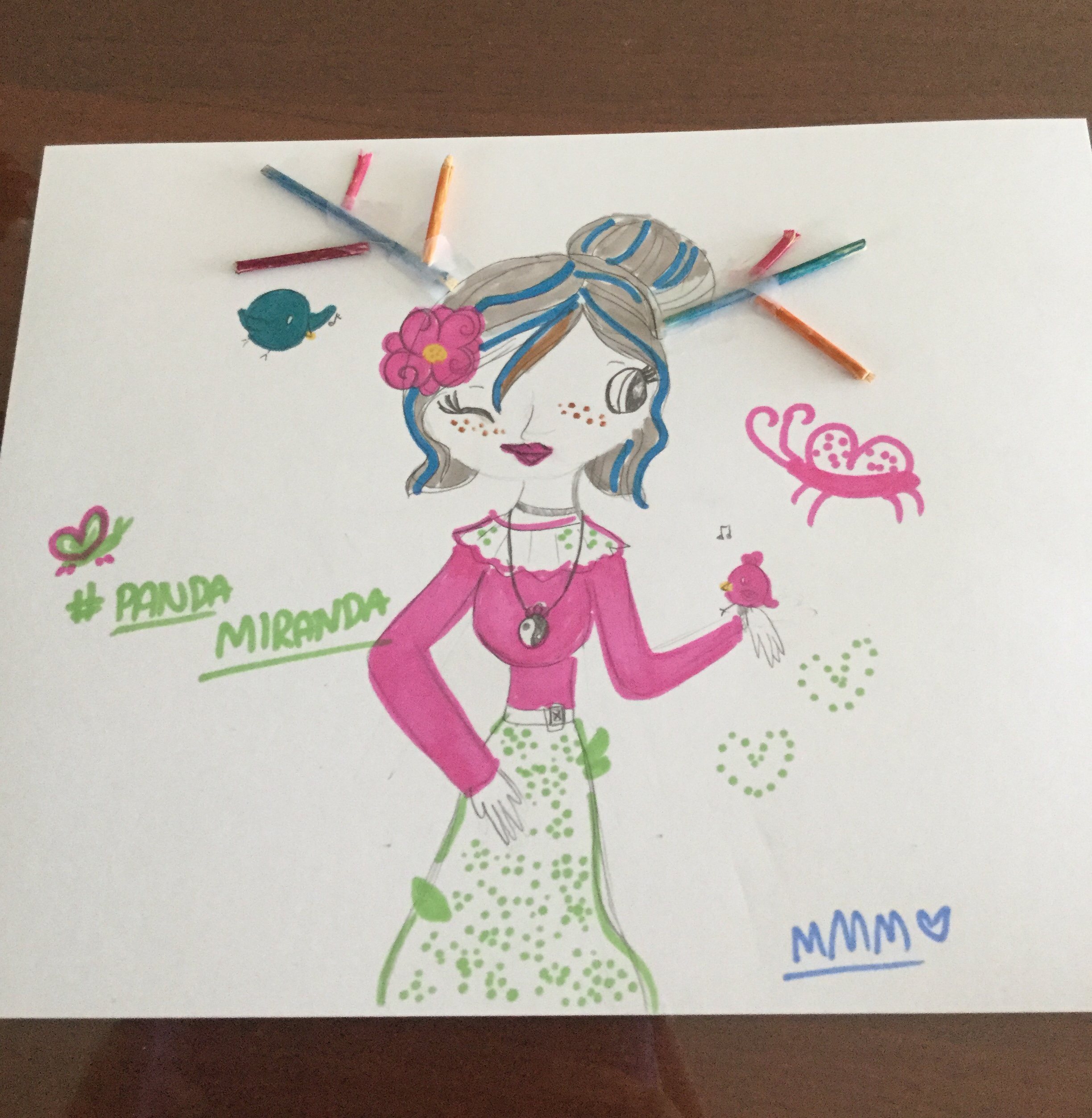

Step-by-step guide to make a mixed-media masterpiece
Step 1
Cover your workspace with paper towels or an old sheet.
Step 2
Arrange your materials within reach on the covered workspace.
Step 3
Lay your paper or cardboard art base flat on the workspace.
Step 4
Lightly mark where you want the main shapes or focal point with a pencil.
Step 5
Paint a background color or textured strokes over the base with a wide brush.
Step 6
Tear or cut colored paper into shapes you like.
Step 7
Glue the paper shapes onto the painted base to build areas of color.
Step 8
Place fabric scraps onto the paper shapes where you want extra texture.
Step 9
Glue each fabric scrap down firmly onto the base.
Step 10
Arrange found objects where you want them on the artwork.
Step 11
Glue each found object securely onto the artwork.
Step 12
Add small paint details and textured marks with a smaller brush or your fingertips.
Step 13
Let the artwork dry completely.
Step 14
Add small accents or outlines using coloring materials like crayons markers or colored pencils.
Step 15
Share your finished creation on DIY.org
Help!?
What can I substitute if I don't have cardboard, fabric scraps, or a wide paint brush?
Use a flattened cereal box or chipboard as the paper or cardboard art base, torn cotton T‑shirt pieces instead of fabric scraps, and a clean sponge or small paint roller to create the painted background instead of a wide brush.
My fabric scraps or found objects keep falling off — how do I fix that?
Follow the step to glue each fabric scrap down firmly and each found object securely by using a stronger PVA/tacky craft glue, waiting until the painted background is completely dry, and weighting glued pieces with a heavy book while they set.
How can I adapt this mixed media project for younger kids or older kids?
For younger children, pre‑mark large shapes, pre‑tear colored paper, provide glue sticks and big brushes for painting the background, while older kids can add small paint details, textured marks, precise found‑object arrangements, or even hand‑stitch fabric scraps for extra complexity.
What are some ways to extend or personalize the finished artwork?
After letting the artwork dry completely, personalize it by adding accents or outlines with crayons or markers, sealing layers with Mod Podge or a clear varnish, sewing on fabric for texture, or attaching small LED lights to found objects before sharing on DIY.org.
Watch videos on how to make a mixed-media masterpiece
MIXED MEDIA ART FOR BEGINNERS | The BEST Collage Materials, Supplies & Techniques
4 Videos
MIXED MEDIA ART FOR BEGINNERS | The BEST Collage Materials, Supplies & Techniques
5 Step Mixed Media Method 🎨 Beginners Step-by-Step Tutorial!
How to make a Printing Foam Mixed Media Collage | Easy printmaking activity for kids
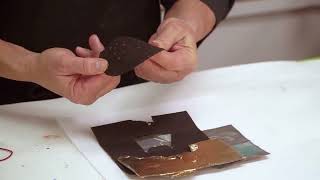
Mixed Media Tutorial - Earth Art, How to Make Art with Recycled Materials
Facts about mixed-media art for kids
🎨 Mixed media simply means using more than one medium—paint plus pencil, paper, fabric, or found objects all count as mixed media.
✂️ Collage was popularized by Pablo Picasso and Georges Braque in the early 1910s when they glued paper and fabric into paintings.
♻️ Found-object art (assemblage) can turn everyday junk into treasures—Marcel Duchamp's 1917 'Fountain' (a urinal) famously challenged what art can be.
🧵 Different fabrics (cotton, silk, burlap) change how paint soaks and reflects, so textile choices affect texture and shine.
🖼️ Artists use layering to control composition: thick textured materials push forward visually, while thin washes and flat pieces recede.
How do I create a mixed-media masterpiece with my child?
What materials do I need for a mixed-media artwork?
What ages is mixed-media art appropriate for?
What are the benefits, safety tips, and variation ideas for mixed-media projects?
