Restore an old bike
Restore an old bike by cleaning parts, tightening bolts, inflating tires, lubricating the chain, and repainting safely with adult supervision to learn practical repair skills.
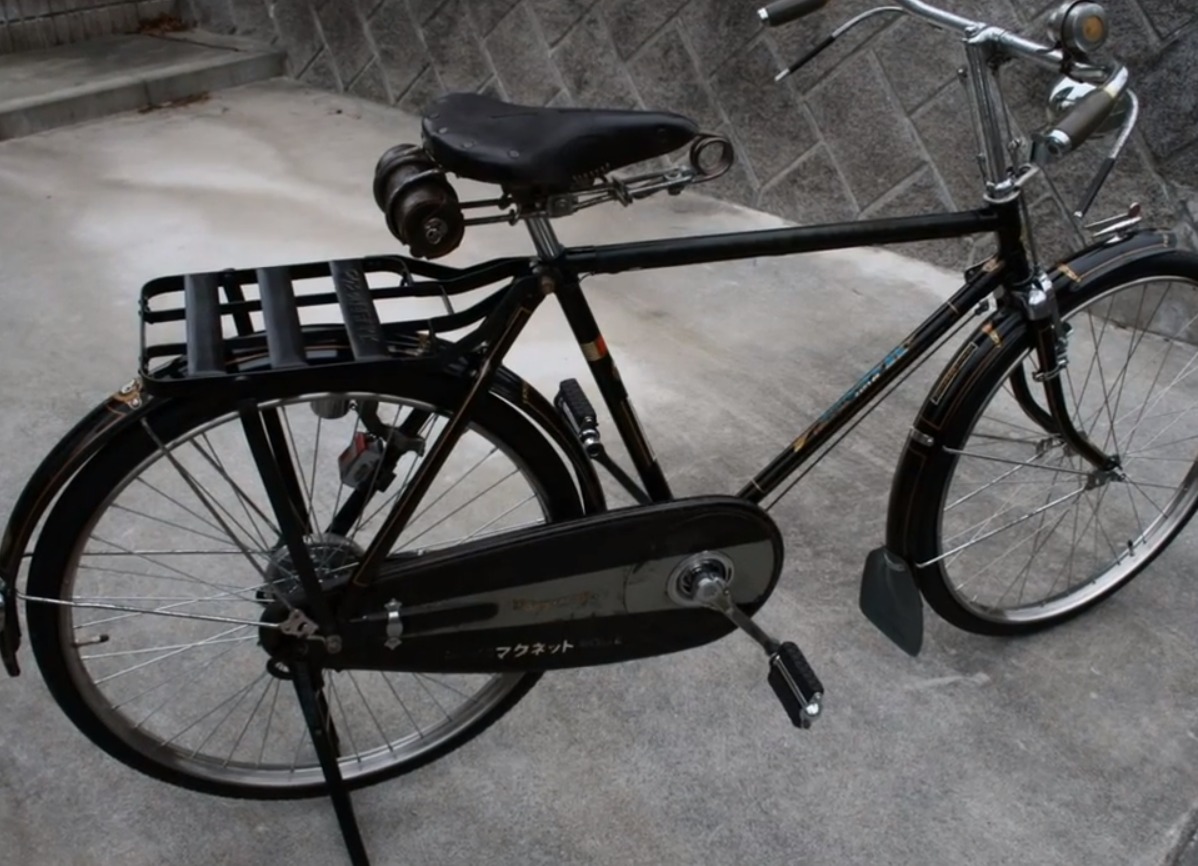
About this activity
Restore an old bike by cleaning parts, tightening bolts, inflating tires, lubricating the chain, and repainting safely with adult supervision to learn practical repair skills.
What you need
Step by step
- 1
Step 1
Ask an adult to supervise the whole project.
- 2
Step 2
Put on your gloves and safety glasses.
- 3
Step 3
Move the bike to a well-ventilated outdoor area and set it on a stable surface.
- 4
Step 4
Look over the bike and list loose bolts flat tires rusty spots and other problems to fix.
- 5
Step 5
Remove small accessories like baskets lights or bells and set them aside.
- 6
Step 6
Wash the frame wheels and visible parts with soapy water and a sponge or soft brush.
- 7
Step 7
Rinse the bike with clean water and dry all surfaces with a rag.
- 8
Step 8
Scrub the chain and gears with an old toothbrush or brush to remove grime.
- 9
Step 9
Wipe the chain and gears dry with a clean rag.
- 10
Step 10
Use an adjustable wrench or bike multi-tool to tighten loose bolts and nuts.
- 11
Step 11
Inflate the tires with a pump to the pressure printed on the tire sidewall.
- 12
Step 12
Put a small amount of bicycle lubricant on the chain and pedal backward to help spread it.
- 13
Step 13
Sand rusty or peeling paint areas until smooth and wipe away the dust.
- 14
Step 14
Tape off parts you do not want painted cover the ground with newspaper and, with your adult, apply primer and thin coats of paint letting each coat dry as instructed.
- 15
Step 15
Reattach any removed parts check brakes wheels and gears then take a short test ride with your adult and share your finished creation on DIY.org.
Fun facts
How do you restore an old bike step by step?
Start by inspecting the bike for rust, loose bolts, or worn parts while wearing gloves and safety glasses. Clean frames and components with soapy water or a degreaser, then dry thoroughly. Tighten bolts and adjust brakes and gears using the correct wrenches or Allen keys. Inflate tires to the recommended pressure and fix flats. Lubricate the chain sparingly, then, with adult supervision, prep and repaint: sand, prime, mask areas, apply thin coats, and let cure before testing.
What materials and tools do I need to restore an old bike?
You’ll need basic tools and safety gear: gloves, safety glasses, rags, brushes, bucket, mild soap or bike degreaser, and a toothbrush for small parts. Add a bike repair stand (optional), adjustable wrench or socket set, Allen keys, tire pump, patch kit or spare tubes, chain lubricant, and sandpaper. For repainting, get primer, spray paint designed for metal, masking tape, and a drop cloth. Replace severely worn parts like brake pads or cables as needed.
What ages is restoring an old bike suitable for?
This activity suits different ages with supervision: ages 5–8 can help wash the bike and hand tools under close adult guidance; ages 9–12 can learn to inflate tires, tighten simple bolts, and help lubricate the chain with instruction; ages 13+ can take on more complex tasks like adjusting brakes, replacing parts, and repainting with adult oversight. Always supervise when using sharp tools, pumps, chemicals, or spray paint, and assign tasks based on the child’s skill and confidence.
What are the benefits of restoring an old bike and what safety tips should we follow?
Restoring a bike builds practical skills, problem solving, fine motor control, and confidence while teaching maintenance and responsibility. It’s a low-cost way to recycle and customize a bike. Safety tips: always wear gloves and eye protection, work in a well-ventilated area for degreasers and paint, keep a first-aid kit nearby, and lock the bike on a stand when tightening parts. Replace badly worn components and inspect the bike before each test ride.
Watch & Learn
Need help?
What can we use if we don't have bicycle lubricant or a bike multi-tool?
If you don't have bicycle lubricant, apply a few drops of light sewing-machine or 3-in-1 oil to the chain with adult permission, and if you don't have a bike multi-tool use an adjustable wrench or crescent wrench to tighten bolts as instructed in the 'tighten loose bolts' step.
The tire won't hold air after I inflate it—what should we check and do next?
After following the 'inflate the tires' step, check the tube and rim for punctures or pinched edges, use soapy water to spot bubbles, and repair with a patch kit or replace the tube with an adult's help if you find a leak.
How can we adapt the tasks for younger kids versus older kids?
Have younger children do supervised jobs like washing the frame, listing loose bolts and flat tires, removing accessories, and drying parts, while older kids can safely handle sanding rusty spots, using the adjustable wrench, and applying primer and paint as described.
What are simple ways to personalize or enhance the restored bike once it's working?
Personalize and enhance the bike by taping off custom shapes before painting, adding decals, new grips, a bell or basket when you 'reattach any removed parts,' and then show your finished creation on DIY.org as the instructions suggest.