Build a sifter
Build a simple handheld sifter using wire mesh, a round frame, and tape or ask an adult to staple, then test it by sifting sand.


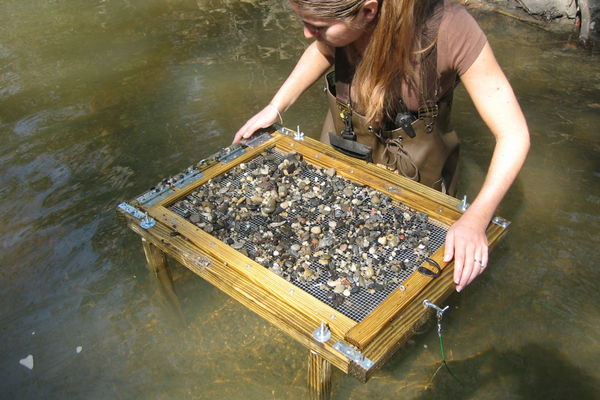

Step-by-step guide to build a handheld sifter
Science 6 Q1 Module 2 Lesson 1 - Separating Mixtures through Filtering and Sieving
Step 1
Gather all your materials and bring them to a clean workspace.
Step 2
With an adult's help cut a circle of wire mesh slightly larger than your round frame.
Step 3
Lay the round frame flat on the table and place the wire mesh on top of it.
Step 4
Press the mesh firmly so it sits centered over the frame.
Step 5
Secure the mesh to the frame by wrapping strong tape around the edge until the mesh is tight.
Step 6
Trim any extra mesh sticking out with scissors while an adult helps if needed.
Step 7
Cover all sharp wire edges with extra tape so your hands stay safe.
Step 8
Hold the sifter over the bowl and scoop a small amount of sand onto the center of the mesh.
Step 9
Shake the sifter gently back and forth so the fine sand falls through into the bowl.
Step 10
Remove the larger bits left on the mesh with your fingers or a spoon and set them aside.
Step 11
Share your finished sifter on DIY.org.
Help!?
What can we use if we can't find wire mesh or a round frame?
If you can't find wire mesh, use plastic mesh from a produce bag or an old window screen and substitute an embroidery hoop or rigid jar lid for the round frame, securing everything with strong tape as in the instructions.
The mesh keeps loosening or sand won't fall through — what should we try?
Press the mesh centered over the round frame, wrap more strong tape tightly around the edge per the instructions, trim excess mesh, and if sand still clogs try a coarser mesh or spread the sand to dry before shaking.
How can we adapt the activity for younger children or older kids?
For younger children have an adult pre-cut and tape the mesh and use a plastic colander or pre-made sieve for scooping, while older kids can cut and trim the mesh themselves and test different mesh sizes as described.
How can we improve or personalize our finished sifter?
Enhance the sifter by taping or gluing a wooden stick handle to the frame, covering edges with colorful tape or stickers as you cover sharp wire edges, and swap meshes of different fineness to sift other materials before sharing on DIY.org.
Watch videos on how to build a handheld sifter
Science Activity Year 5: Separating Dry Mixtures through Sieving
4 Videos
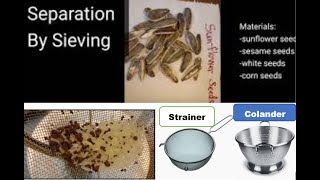
Science Activity Year 5: Separating Dry Mixtures through Sieving

Lesson Preview - Separating Mixtures | KS2 Science
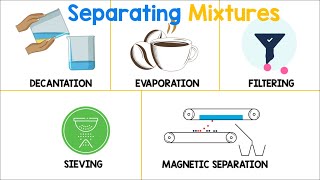
Separating Mixtures | Chemistry Animation

2: LESSON 1B: Separating Mixtures Through Sieving/ Sifting
Facts about simple tool-making for kids
🏖️ A single teaspoon of sand can contain thousands to millions of grains depending on grain size — tiny but plentiful!
🧪 Sifting is an ancient technique used in kitchens, labs, and archaeology to separate fine particles from larger bits.
🧵 Wire mesh is made by weaving or welding metal wires; the 'mesh size' tells you how many openings per inch it has.
📎 The modern staple and stapler became common in the late 1800s — staples join materials quickly but should be handled by adults.
🦴 Archaeologists often use sieves to carefully sift soil and uncover tiny bones, pottery shards, and fossils.
How do I build a simple handheld sifter for sand play?
What materials and tools do I need to build a handheld sifter?
What ages is making and using a handheld sifter suitable for?
What safety precautions should I take when making and using a handheld sifter?
