Inoculate with spawn
Inoculate a prepared substrate with mushroom spawn under adult supervision, learning sterile technique, patience, and fungal growth by observing and recording changes.


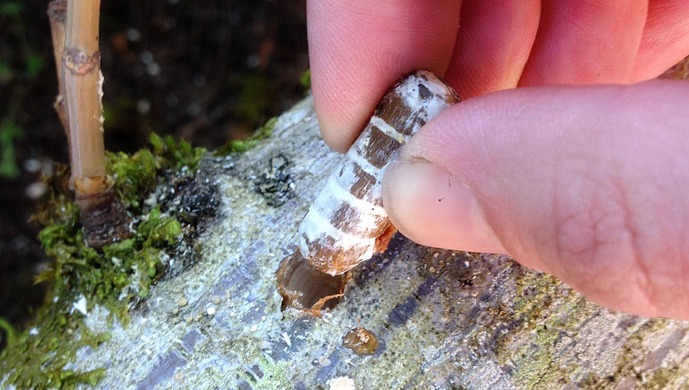

Step-by-step guide to inoculate with spawn
How To Inoculate A Mushroom Grain Spawn Bag
Step 1
Wash your hands with soap and water for at least 20 seconds.
Step 2
Move everything off a table to make a clean workspace.
Step 3
Wipe the work surface with a paper towel soaked in rubbing alcohol.
Step 4
Put on a face mask.
Step 5
Put on disposable gloves.
Step 6
Wipe the outside of the substrate container and the spawn package with an alcohol-soaked paper towel.
Step 7
Place the substrate container and the spawn package on the cleaned area.
Step 8
Open only the spawn package a little so you can reach inside.
Step 9
Scoop a small amount of spawn with the sterile spoon or scalpel.
Step 10
Drop the spawn evenly into the substrate through the container opening.
Step 11
Close and seal the substrate container tightly.
Step 12
Write the mushroom type and today's date on the container with the permanent marker.
Step 13
Put the sealed container in a warm dark spot for incubation.
Step 14
Check the container once a day and write down any visible changes in your notebook.
Step 15
Share a photo and notes about your finished creation on DIY.org.
Help!?
What can we use if disposable gloves or rubbing alcohol are hard to find?
If disposable gloves or rubbing alcohol are hard to find, have an adult handle the wiping and glove-required steps while the child focuses on labeling the container with the permanent marker and recording observations.
What should we do if the spawn package won't open or the substrate container won't seal?
If you run into problems like a stuck spawn package or a container that won't seal, stop and ask an adult or the kit manufacturer for help rather than forcing it, and continue only after an adult confirms it's safe to proceed.
How can this activity be adapted for younger or older children?
For younger children, limit their role to washing hands, moving items off the table, labeling the container, and daily recording of visible changes, while older children can take on more hands-on steps only with adult supervision.
How can we personalize or extend the project after inoculating the substrate?
Extend the activity by decorating the container, keeping a dated notebook with daily photos and notes about visible changes, and sharing those photos and notes on DIY.org as suggested in the instructions.
Watch videos on how to inoculate with spawn
The Complete Mushroom Inoculation Guide with Uncle Ben's Tek
4 Videos

The Complete Mushroom Inoculation Guide with Uncle Ben's Tek
How to Use a Liquid Culture Syringe to Inoculate Grain Spawn: the First Step in Mushroom Cultivation
Grow Morel Mushrooms: Step-by-Step Guide to Inoculating Morchella Importuna
Exclusive: Mushroom Grain Spawn Fruiting Tutorial
Facts about mushroom cultivation for kids
🧫 Sterile (aseptic) technique helps keep unwanted microbes out—one tiny contaminant can stop colonization!
🍄 Spawn acts like a mushroom's "seed" but is actually living mycelium ready to grow through substrate.
⏳ Some substrates can be fully colonized in just 2–3 weeks (oyster mushrooms are speedy!), while others take much longer.
🔬 Watching mycelium under a microscope shows tiny thread-like hyphae that knit together to form a fuzzy network.
📓 Keeping a daily log of smells, colors, and growth helps you learn patterns and spot contamination early.
How do I involve my child in inoculating a prepared substrate with mushroom spawn?
What materials do I need to inoculate a prepared substrate with mushroom spawn for a child-friendly project?
What ages is inoculating substrate with spawn suitable for as an educational activity?
What safety precautions and benefits should parents consider when doing this activity with kids?
