Create a bird guide book
Make a simple bird guide book by observing local birds, drawing or photographing them, noting features, habitats, and behaviors, and labeling each entry.
About this activity
Make a simple bird guide book by observing local birds, drawing or photographing them, noting features, habitats, and behaviors, and labeling each entry.
What you need
Step by step
- 1
Step 1
Fold 6 to 10 sheets of paper in half to make a small booklet.
- 2
Step 2
Ask an adult to staple or tape the folded edge so the pages stay together.
- 3
Step 3
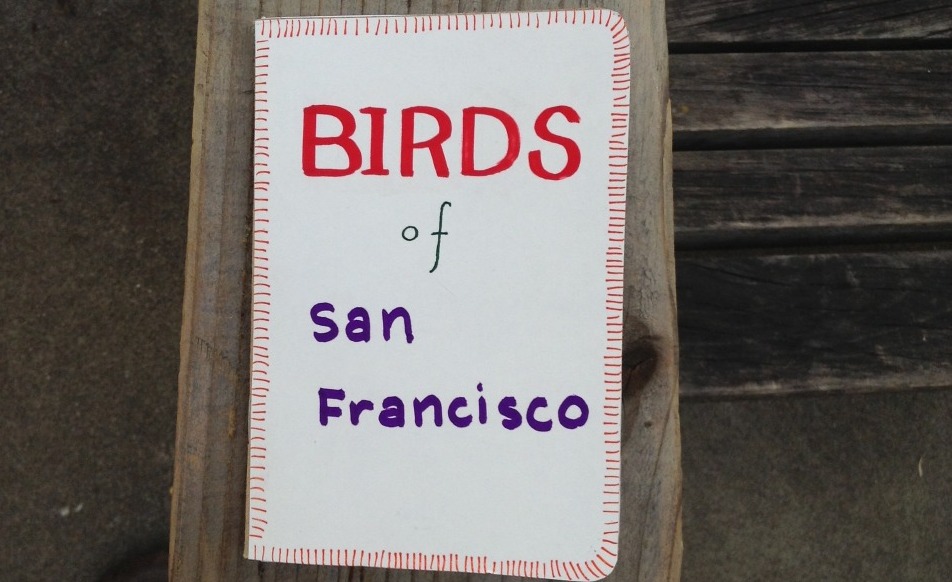
Write a fun title on the front cover and add your name.
- 4
Step 4
Number the inside pages so each bird entry has its own spot.
- 5
Step 5
Draw one box on each page where you will put a bird drawing or photo.
- 6
Step 6
Go outside to a safe spot with an adult and sit quietly for 10 to 15 minutes to watch birds.
- 7
Step 7
Pick one bird to observe closely and notice its size color beak shape and behavior.
- 8
Step 8
Draw the bird you saw inside the box on a page using your pencil.
- 9
Step 9
Write the date time and location of your sighting under the drawing.
- 10
Step 10
Write three important features of the bird and one behavior you saw.
- 11
Step 11
Use a bird book or printed pictures to find the bird’s species name and write it on the entry.
- 12
Step 12
Glue a printed photo into the box if you have one or keep drawing new birds for more entries.
- 13
Step 13
Repeat observing drawing and labeling until you have at least six different bird entries.
- 14
Step 14
Decorate the cover and pages to make your guide look awesome.
- 15
Step 15
Share your finished bird guide on DIY.org
Fun facts
How do I create a simple bird guide book with my child?
Start by choosing a safe local spot to observe birds. Watch quietly, then sketch or take a photo of each bird. Note date, time, location, colors, size, beak shape, behavior, and habitat. Add a short label with the common name (or “unknown”) and any interesting facts. Assemble pages in a notebook or staple them into a booklet. Encourage repeated visits to update entries and compare sightings.
What materials do we need to make a bird guide book?
You’ll need a small notebook or loose paper to bind, pencils, eraser, colored pencils or markers, and a camera or smartphone for photos. Optional items: binoculars, a clipboard, a basic field guide or identification app, sticky notes for quick labels, glue or tape, envelopes for feather finds, and a washable marker for bold headings. Keep materials simple to stay outdoors longer and focus on observing.
What ages is creating a bird guide book suitable for?
This activity suits many ages: preschoolers (3–5) can draw and stick photos with adult help; early elementary kids (6–9) can sketch, label features, and write short notes; older children (10+) can research species, record measurements, and track patterns. Adapt complexity and supervision: younger children need close guidance outdoors, while older kids can lead observations and comparisons independently.
What are the benefits of making a bird guide book with children?
Making a bird guide book boosts observation, attention to detail, and scientific thinking. It encourages outdoor time, patience, and curiosity about nature while practicing drawing, writing, and categorizing skills. The project supports literacy, record-keeping, and memory, and it can foster empathy and stewardship for wildlife. Working together also strengthens family bonding and creates a lasting keepsake of local biodiversity.
Watch & Learn
Need help?
What can we use instead of staples or tape if we don't have them?
Instead of asking an adult to staple or tape the folded edge, punch two holes through the 6–10 folded sheets and tie them with ribbon or yarn, or have an adult run strong craft glue along the fold to hold the pages together.
My booklet keeps coming apart—what should I do during folding and fastening?
Refold the 6–10 sheets to make a sharp crease, then ask an adult to add two staples or a strip of clear tape along the entire folded edge or glue a small strip of paper over the spine to keep pages from separating.
How can I change the activity for younger or older children?
For younger kids use fewer, larger sheets, crayons for the bird drawings, and adult help to write the date/time/location and species name, while older children can use a camera, note measurements and extra behaviors in each numbered entry, and research scientific names with a bird book.
How can we make the bird guide book more detailed or personalized?
Enhance the guide by gluing printed photos into the drawing boxes, adding colored-pencil sketches and measurement estimates under each drawing, decorating the cover, and scanning or photographing the finished book to share on DIY.org.