Stage a flash mob
Plan and stage a short, safe flash mob with friends: create choreography, rehearse timing, choose costumes, and perform in a public space with permission.
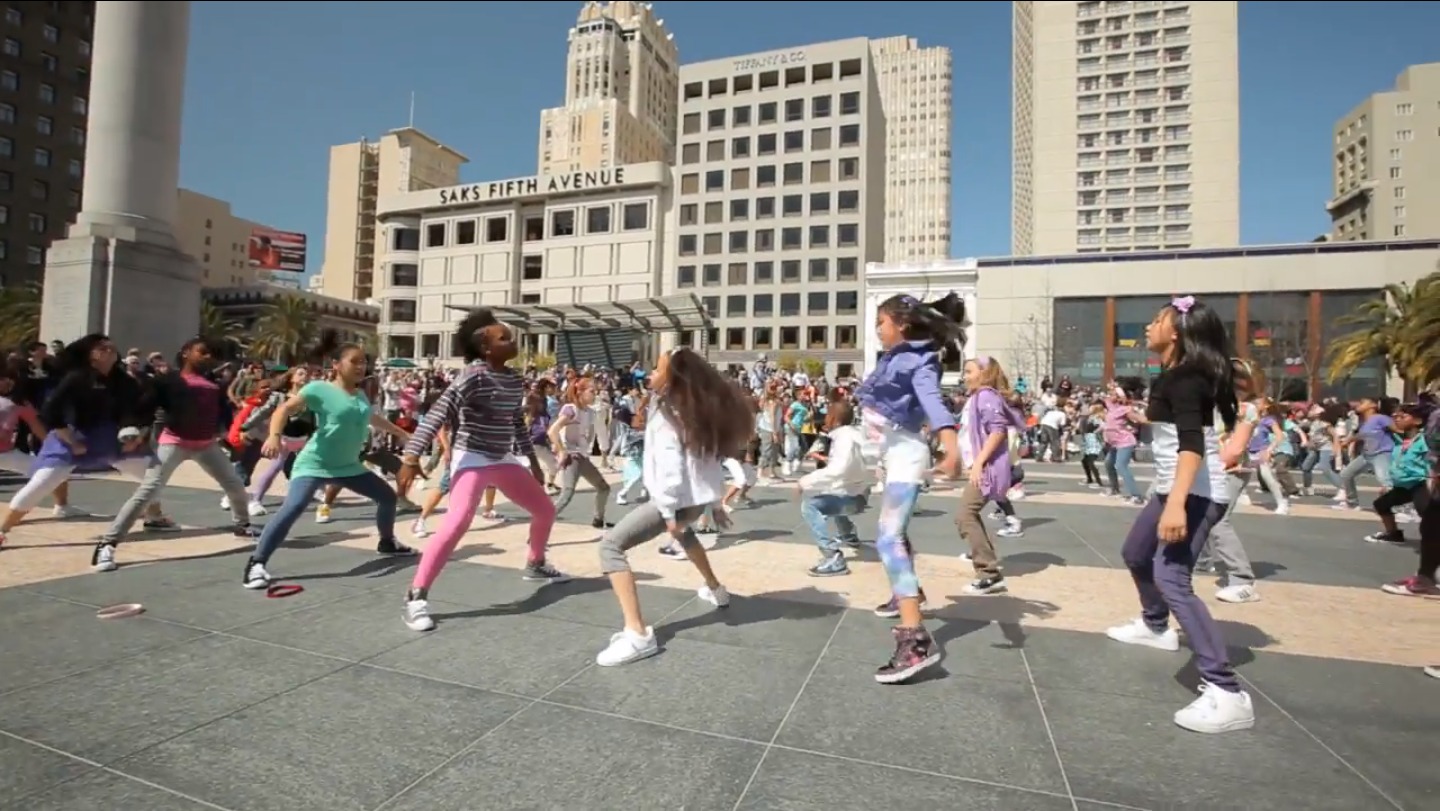
About this activity
Plan and stage a short, safe flash mob with friends: create choreography, rehearse timing, choose costumes, and perform in a public space with permission.
What you need
Step by step
- 1
Step 1
Gather your team of friends and tell them you are planning a short flash mob.
- 2
Step 2
Pick one short fun song or a 60–90 second song segment everyone likes.
- 3
Step 3
Ask a parent or trusted adult to be the adult supervisor for your flash mob.
- 4
Step 4
Have the adult contact the venue manager or local authority to request permission and agree on a safe time and place.
- 5
Step 5
Create a simple choreography of easy repeatable moves that fit the chosen song.
- 6
Step 6
Assign each person a clear role and starting position so everyone knows where to stand.
- 7
Step 7
Practice the choreography slowly with counts until everyone knows the steps.
- 8
Step 8
Practice the choreography with the music and a timer to perfect the timing.
- 9
Step 9
Choose simple coordinated costumes or props that are safe and easy to move in.
- 10
Step 10
Do a full dress rehearsal in a private place with the adult supervisor and time the whole routine.
- 11
Step 11
Plan exactly how you will arrive and exit the performance area so entrances and exits are smooth.
- 12
Step 12
On performance day arrive early and quietly take your starting spots.
- 13
Step 13
Ask the adult to confirm permission with the venue one last time and make sure the space is safe.
- 14
Step 14
Perform the flash mob with energy smile and the planned timing while staying safe.
- 15
Step 15
Share your finished flash mob on DIY.org
Fun facts
How do I plan and stage a short, safe flash mob with my child and their friends?
Choose a short, family-friendly song and simple choreography (8–30 seconds). Form a small group, assign roles (dancers, music operator, crowd actors), and schedule rehearsals. Rehearse entrances, exits, and a clear start/end signal. Choose a public location and obtain written permission from the venue or event organizer. Practice in a private space with costumes and props, time the routine, and do a dress rehearsal. After the performance, debrief with kids about what went well.
What materials do I need to stage a flash mob for kids?
You'll need: a short, age-appropriate music track and a way to play it (phone, speaker), simple costume pieces or color-coordinated clothing, any small props (ribbons, hats) that are safe, rehearsal space, and clear written permission from the venue. Also bring a first-aid kit, water, and a responsible adult supervisor. Optional: video equipment to record the performance and backup batteries.
What ages is staging a flash mob suitable for?
Flash mobs suit children roughly ages 6 and up, with supervision adjustments. Younger kids (6–9) can join simple, short routines with close adult guidance and limited props. Ages 10–13 can learn longer choreography and help with planning; teens can take lead roles and handle permissions and logistics. Always match routine complexity to attention span and physical ability, and ensure responsible adults manage safety, transportation, and venue permissions.
How can we keep kids safe when planning and performing a flash mob?
Prioritize safety: always get written permission from property owners or local authorities, choose low-traffic, accessible venues, and limit group size. Use non-slip shoes, safe costumes, and no sharp props. Assign adults to supervise entrances/exits, crowd control, and first aid. Rehearse emergency exits and a quick-stop signal. Share contact info and meet-up plans with parents, and avoid surprise locations that could startle the public or cause hazards.
Watch & Learn
Need help?
If I don't have special costumes or a separate timer, what can I use instead?
Use matching brightly colored T‑shirts or bandanas from home as simple coordinated costumes and use a smartphone's stopwatch or timer during the step 'Practice the choreography with the music and a timer' and the 'full dress rehearsal'.
What should we do if people keep missing their steps or the timing is off during practice?
Mark each person's starting position on the floor with tape, assign clear roles as in 'Assign each person a clear role and starting position', and rehearse slowly with counts from the step 'Practice the choreography slowly with counts' until everyone hits the timing with the music and timer.
How can we change the activity for younger kids or older teens?
For younger kids cut the song segment shorter, simplify moves from 'Create a simple choreography of easy repeatable moves', and keep the adult supervisor closer, while older teens can learn longer 60–90 second segments, add more formations, and let teens handle contacting the venue manager as in the instructions.
How can we make our flash mob more special or shareable after we perform?
Personalize the routine by adding a signature move or simple props from 'Choose simple coordinated costumes or props', film the 'full dress rehearsal' and final performance, edit the clip to the chosen song segment, and then upload it to DIY.org as suggested in the instructions.