Choreograph a dance
Create and choreograph a short dance routine: choose music, design moves and counts, practice transitions, and perform for family or classmates.


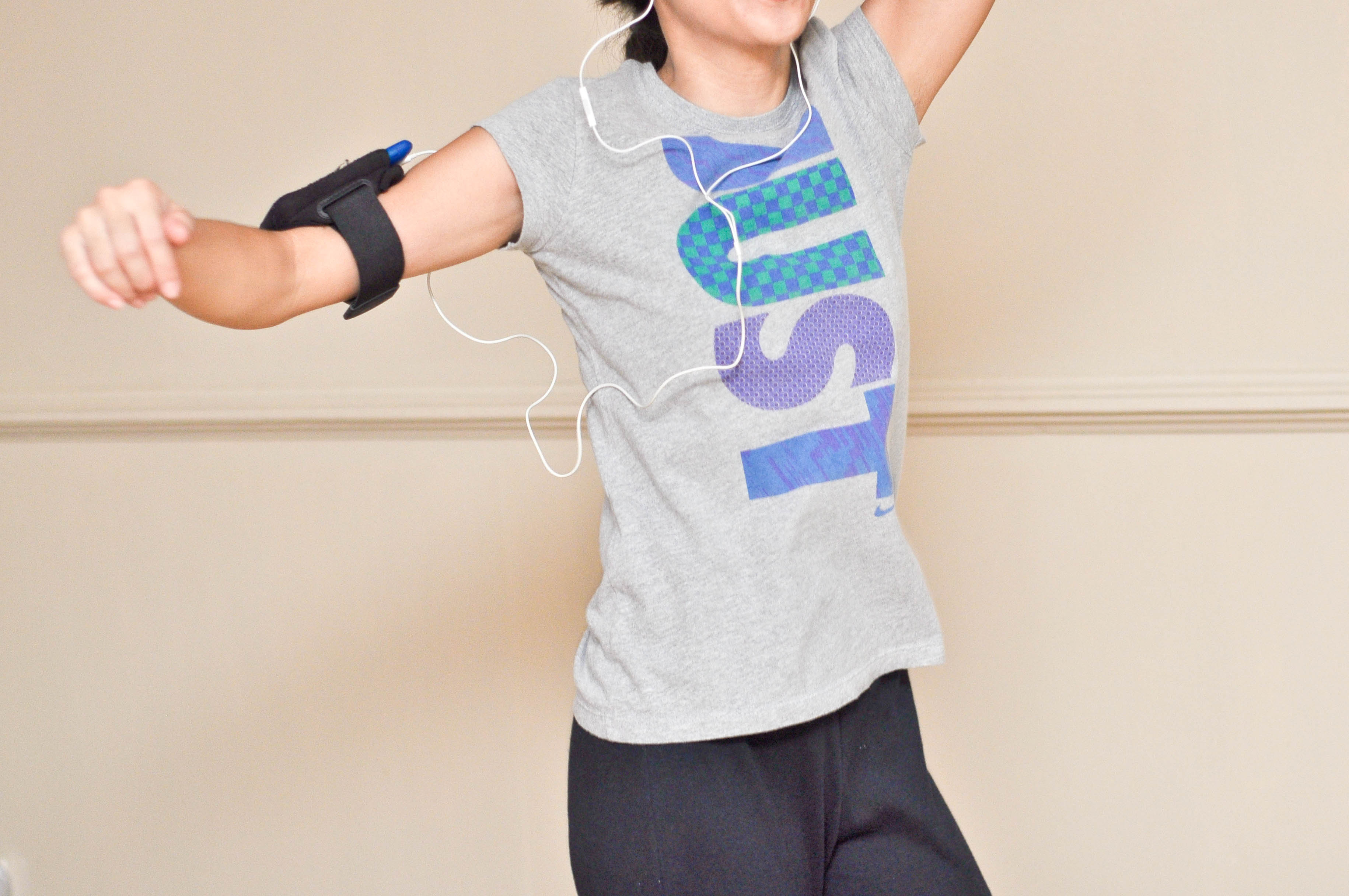

Step-by-step guide to choreograph a short dance routine
Easy Kids Choreography - (Hip Hop Dance Tutorial AGES 4+) | MihranTV
Step 1
Choose a favorite song to use for your short dance.
Step 2
Pick a 30 to 60 second section of the song that has a clear beat to dance to.
Step 3
Play that section and count the beats out loud in groups of eight to find the 8-count pattern.
Step 4
Decide on a style or theme for your dance such as silly smooth or energetic.
Step 5
Invent 4 to 8 simple moves so that each move fits into one 8-count of music.
Step 6
Write each move name and how many counts it takes on your paper.
Step 7
Put the moves in the order you want and add one short transition between each move.
Step 8
Practice the whole sequence slowly while counting the 8-counts out loud without music.
Step 9
Add the song and practice the routine with the music until your moves match the counts.
Step 10
Perform your finished dance for family or classmates with big smiles and energy.
Step 11
Share your finished dance on DIY.org so others can see what you created.
Help!?
What can we use if we don't have a music player, paper, or access to DIY.org?
Use a smartphone or tablet to play your chosen song or a metronome app for beats, write each move name and counts in a notes app or on sticky notes instead of paper, and share the finished dance by sending a video to family or uploading it to a different kid-safe site if DIY.org isn't available.
My moves keep getting ahead of the music—how can we fix that?
Follow the instruction to practice the whole sequence slowly while counting the 8-counts out loud without music, write the exact number of counts next to each move on your paper, and use a clap or metronome to match tempo while simplifying any move that doesn't fit a full 8-count.
How can I adapt the steps for younger or older kids?
For younger kids, choose a shorter 15–30 second song section and make each action 4 counts with a parent helping write the moves, while older kids can keep the 30–60 second section, create more complex moves to fill each 8-count, add transitions, and rehearse with the music.
How can we make the dance more creative or performance-ready?
Add simple props or a costume that matches your chosen style, design one short transition between each of the 4–8 moves when you write them on paper, record multiple practice takes with the music to pick the best performance, and then post the final happy video on DIY.org.
Watch videos on how to choreograph a short dance routine
Kids Choreography | Dance Step Tutorial for Kids Part 3 | Learn to dance | Age 3 to 7 years Kids
4 Videos
Kids Choreography | Dance Step Tutorial for Kids Part 3 | Learn to dance | Age 3 to 7 years Kids

Ariana Grande - 7 Rings (Dance Tutorial) | Easy Kids Choreography | MihranTV
Marshmallo - Friends ft. Anne-Marie (Dance Tutorial) | Easy Kids Choreography | MihranTV
Kids Dance Tutorial | Part 2 | Dance Classes for Kids | Easy Dance Steps for Kids | Choreo N Concept
Facts about dance and choreography for kids
🩰 Martha Graham choreographed over 180 works and is often called a founder of modern dance.
📝 Labanotation is a written system for recording dance so routines can be preserved like sheet music.
🎶 Many choreographers build routines from 8-count phrases—dancers often count "1–8" to stay together.
💃 There are hundreds of dance styles around the world, from ballet and tap to salsa and bhangra.
🧠 Repeating short movements with clear counts helps build muscle memory so you can perform smoothly.
How do I help my child choreograph a short dance routine?
What materials do I need to choreograph a dance with my child?
What ages is choreographing a short dance routine suitable for?
What are the benefits of choreographing dance for my child?
