Make a ball
Make a ball by crumpling newspaper and wrapping tightly with tape or string; decorate, test bounce, and compare size and roundness.


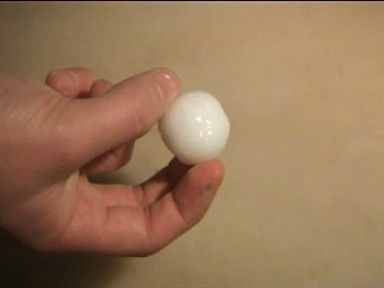

Step-by-step guide to make a ball
HOW TO MAKE A BOUNCY BALL Easy Kids Science Experiments
Step 1
Gather all the materials listed and bring them to a clear workspace.
Step 2
Tear a few sheets of newspaper into manageable pieces about the size of your hand.
Step 3
Crumple one piece of newspaper tightly into a small firm ball to make the core.
Step 4
Crumple another newspaper piece tightly around the core to make the ball bigger.
Step 5
Repeat crumpling and adding pieces until the ball reaches the size you want.
Step 6
Wrap the outside of the newspaper ball tightly with tape or tie it securely with string.
Step 7
Roll the taped ball between your palms to smooth it and help it become round.
Step 8
Use colouring materials or stickers to decorate your ball any way you like.
Step 9
Hold the ball at knee height and drop it straight down to test how high it bounces.
Step 10
Use a ruler to measure the ball straight across the middle to find its diameter.
Step 11
Write the diameter number on a piece of paper so you can compare later.
Step 12
Compare roundness by placing the ball in a small bowl or against a round lid to see how well it fits.
Step 13
Share your finished ball and what you discovered on DIY.org
Help!?
What can we use instead of newspaper if it's hard to find?
Tear scrap printer paper, junk mail, or magazine pages into hand-sized pieces and follow the instructions to crumple a tight core and add layers just like the newspaper steps.
My ball keeps falling apart or looks lumpy—what should I do?
Make the core tighter, add more crumpled pieces, secure the outside firmly with stronger tape or a tight string as the instructions say, then roll the taped ball between your palms to smooth it.
How can I adapt this activity for different ages?
For toddlers, have an adult pre-crumple the core and do the taping while the child decorates with stickers, and for older kids, use the ruler to make balls of specific diameters and compare bounce and fit against lids or bowls.
How can we extend or personalize the finished ball?
Enhance the project by wrapping the newspaper ball in a balloon before taping for extra bounce, painting or adding stickers for decoration, and making several sizes to compare diameters and roundness in bowls to share on DIY.org.
Watch videos on how to make a ball
Crafting Fun: Learn How to Make a Paper Ball in Just a Few Folds!
4 Videos

Crafting Fun: Learn How to Make a Paper Ball in Just a Few Folds!
Origami Soccer Ball Paper Kick-able Football | No Tape | No Glue | Awesome Playable Paper Ball
How to make cricket ball with paper || how to make cricket ball at home || how to make ball at home
Making Cricket ball using papers | Working paper cricket best ball diy | hard and bouncing ball
Facts about paper crafts for kids
📄 Crumpling a sheet of paper can make it surprisingly stiff — the folds and creases create a stronger structure than a flat sheet.
🎯 A perfectly round ball has the same diameter in every direction — measuring with string or a tape helps spot lumps and flat spots.
🏀 Bounce depends on elasticity: commercial rubber balls can rebound to ~90% of drop height, while homemade paper balls usually bounce much less.
♻️ Reusing old newspapers for crafts reduces waste — recycling one ton of paper can save about 17 mature trees.
📏 Smaller, tightly packed paper balls are denser and can behave very differently (often bouncing or rolling more predictably) than loose, lumpy ones.
How do I make a ball by crumpling newspaper and wrapping it with tape or string?
What materials do I need to make a newspaper ball?
What ages is this newspaper ball activity suitable for?
What are the benefits, safety tips, and fun variations for making newspaper balls?
