State your opinion on internet slang
Write a short opinion paragraph about internet slang, create a pros-and-cons poster, and present your reasons to a friend or family member.


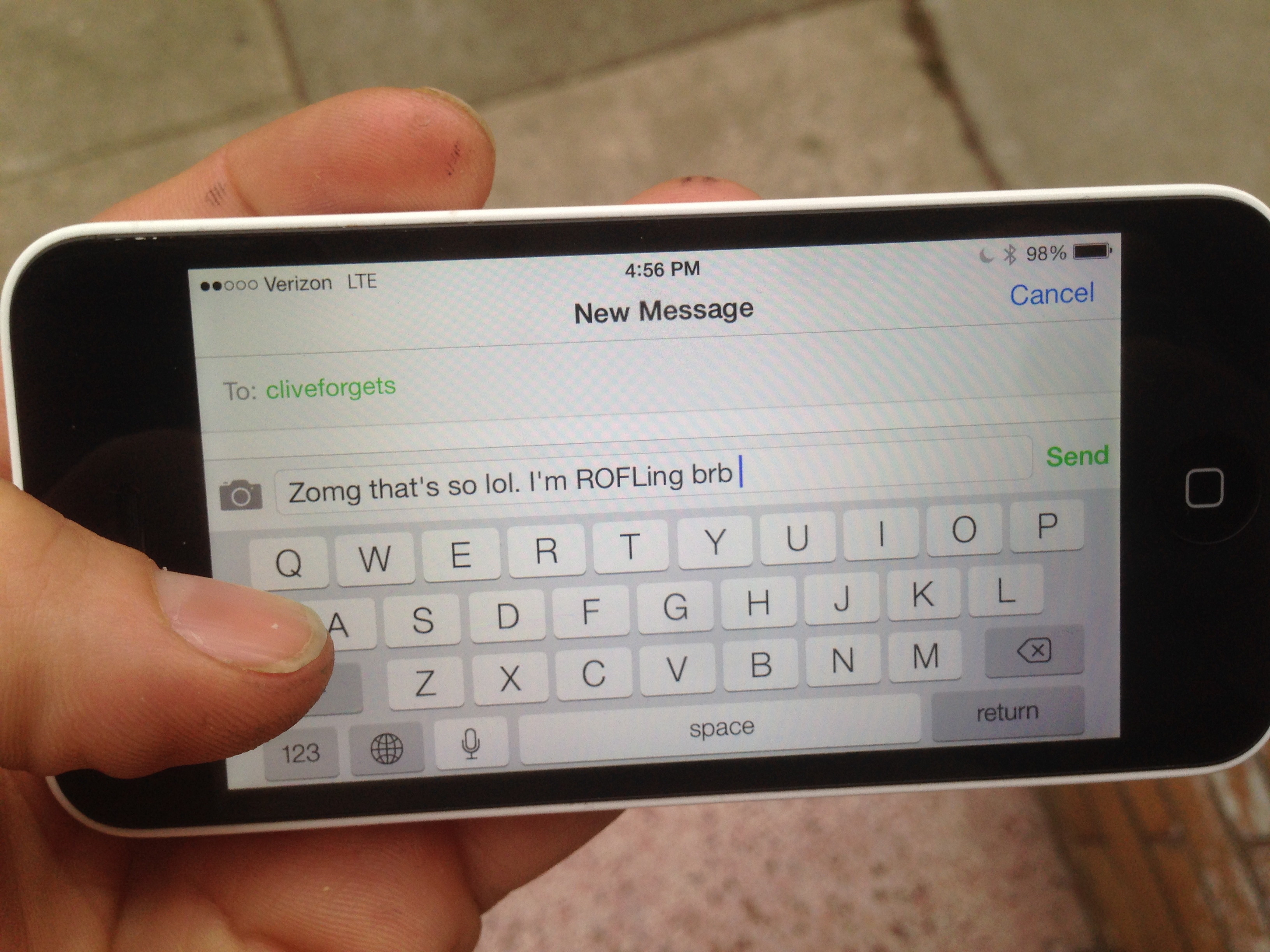

Step-by-step guide to state your opinion on internet slang (clear: covers writing a short opinion paragraph, making a pros-and-cons poster, and presenting)
Top Tips for Children on Safer Internet Day | How to Talk to Young Children about the Internet
Step 1
Decide your opinion about internet slang and choose whether you think it helps people communicate or causes confusion.
Step 2
Write three quick reasons that support your opinion on a small piece of paper.
Step 3
Write one short counter-argument that someone might say against your opinion.
Step 4
Use your reasons to write a short opinion paragraph of about four sentences on a fresh sheet of paper.
Step 5
Underline one sentence in your paragraph that you want to explain more during your presentation.
Step 6
Write a title on the top of your poster board like "Internet Slang: Pros & Cons."
Step 7
Use a ruler to draw a vertical line down the middle of the poster to make two columns.
Step 8
In the left column write the pros as short bullet points using your supporting reasons.
Step 9
In the right column write the cons as short bullet points using your counter-argument and worries.
Step 10
Add small drawings or colour to the poster to make each point easy to read and fun to look at.
Step 11
Practice presenting by reading your paragraph aloud and pointing to each poster bullet for two minutes.
Step 12
Present your poster and read your paragraph to a friend or family member.
Step 13
Make any small changes to your paragraph or poster after listening to their feedback.
Step 14
Share your finished creation on DIY.org
Help!?
What can we use instead of poster board or a ruler if we don't have them?
If you don't have poster board use taped-together printer paper or a piece of cardboard and use the edge of a book as a straightedge to draw the vertical line down the middle of the poster.
My child rushes through the two-minute presentation or can't fill the time — how can we fix that?
If the practice feels too short, rehearse reading the four-sentence paragraph aloud while deliberately pointing to each poster bullet for two minutes and add one small drawing or an extra short example from your three reasons to lengthen the speech.
How can this activity be adjusted for younger or older kids?
For younger children, have them state one opinion, draw simple pros and cons in the two poster columns and read a one-sentence paragraph aloud, while older students can write three evidence-backed reasons on the small piece of paper, expand the paragraph, and include a sourced counter-argument before sharing on DIY.org.
How can we make the poster and presentation more interesting or personalized?
To enhance the project, use the 'Add small drawings or colour' step to create a color code for pros vs cons, underline a different sentence to discuss in Q&A, and attach a QR code linking to an article that supports one of your three reasons before posting on DIY.org.
Watch videos on how to state your opinion on internet slang (clear: demos for paragraph writing, poster creation, and presenting)
💻 Internet Safety for Kids | Twinkl USA
3 Videos
💻 Internet Safety for Kids | Twinkl USA

What Is Netiquette? 📱 Internet Behavior Rules for Kids 💻 Compilation

🌐 Internet Safety for Kids | Top Online Safety Tips Explained! 🛡️
Facts about digital communication for kids (clear: explains internet slang, tone, and online etiquette)
😄 Scott Fahlman suggested the first known emoticon :-) in 1982 so people could tell jokes online.
😂 The abbreviation "LOL" showed up on early internet forums in the late 1980s as a quick way to show laughter.
📱 Early SMS rules and character limits helped popularize short forms like "brb" and "u" to save typing.
🗣️ Words that began as internet slang—like "emoji", "meme", and "vlog"—are now found in many dictionaries.
🌍 Internet slang changes fast and differently around the world—what's trendy for one group can be old news for another.
How do I guide my child to write an opinion paragraph about internet slang and present it?
What materials do I need for the internet slang pros-and-cons poster activity?
What ages is this activity suitable for?
What are the benefits and safety tips for an opinion activity about internet slang?
