Share your harvest
Gather fruits or vegetables from your garden, make small labeled baskets or jars, decorate them, and safely share your harvest with neighbors.
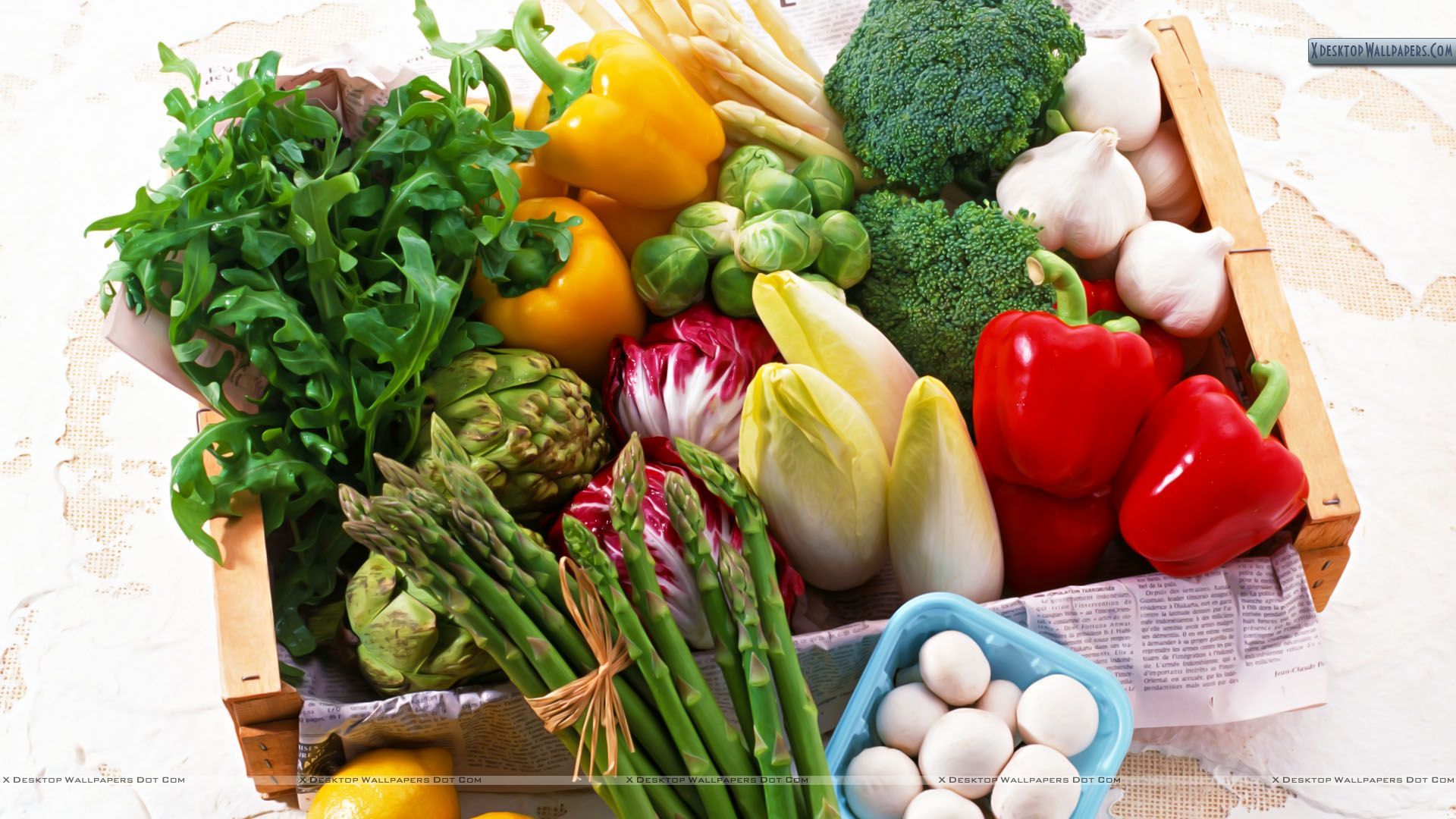
About this activity
Gather fruits or vegetables from your garden, make small labeled baskets or jars, decorate them, and safely share your harvest with neighbors.
What you need
Step by step
- 1
Step 1
Put on your garden gloves.
- 2
Step 2
Take a clean bowl or plate to your garden.
- 3
Step 3
Look for ripe fruits or vegetables that are ready to pick.
- 4
Step 4
Gently pick each ripe item and place it in your bowl.
- 5
Step 5
Carry your bowl back to a clean table.
- 6
Step 6
Rinse the fruits or vegetables under cool running water.
- 7
Step 7
Dry each item with a clean towel and set them on the table.
- 8
Step 8
Sort the produce into small baskets or jars by type or size.
- 9
Step 9
Cut paper labels for each basket or jar.
- 10
Step 10
Write the name of the produce and a short friendly note on each label.
- 11
Step 11
Tie each label to a basket or jar using string or ribbon.
- 12
Step 12
Decorate each basket or jar with colouring materials or stickers.
- 13
Step 13
With an adult, carry your finished baskets or jars to your neighbor’s house.
- 14
Step 14
With your adult, leave the baskets on the porch or hand them to your neighbor while staying safe.
- 15
Step 15
Share a photo and a short story about your harvest and how you shared it on DIY.org.
Fun facts
How do I do the 'Share Your Harvest' activity with my kids?
To run the 'Share Your Harvest' activity, have kids help pick ripe fruits or veggies, wash and inspect each item, and sort them into small labeled baskets or jars. Let children decorate containers with stickers, ribbons, or paper tags, then add a friendly note listing contents and pickup date. Coordinate with neighbors ahead of time, arrange safe delivery—leave on doorsteps or hand it over—and supervise all handling to ensure hygiene and courtesy.
What materials do I need for a 'Share Your Harvest' kids activity?
Materials needed include: small baskets or jars, labels or tag paper, markers and waterproof pens, stickers and ribbon for decorating, scissors and tape, produce-safe bags or paper wrap, a small basin or gloves for washing, dish soap and clean towels, paper notes for ingredients/allergy info, and optional biodegradable bags for delivery. Keep a first-aid kit and hand sanitizer nearby. Use non-toxic craft supplies for child safety.
What ages is the 'Share Your Harvest' activity suitable for?
This activity suits ages 3–12 with varying supervision: toddlers (3–5) can help pick large fruits, sort, and stick decorations with close adult help; primary school kids (6–9) can wash, label, and help arrange baskets; older children (10–12) can lead sorting, write notes, and coordinate delivery. Adjust tasks for skill level, always supervise knife use and food handling, and make tasks inclusive and safe for each child's ability.
What safety tips should I follow when sharing our harvest with neighbors?
Safety tips: wash hands and produce thoroughly, remove bruised or damaged items, and keep perishable items chilled until delivery. Label baskets clearly with contents, date, and any possible allergens. Coordinate with neighbors before dropping off, avoid giving to households with food allergies or dietary restrictions, and always supervise children near roads. Use sealed jars for preserves and skip homemade processing unless following safe canning guidelines.
Watch & Learn
Need help?
What can we use instead of garden gloves, baskets or string if those are hard to find?
If garden gloves, small baskets or jars, or string aren't available, use clean rubber or kitchen gloves or double-up plastic bags for the 'Put on your garden gloves' step, carry produce in a clean bowl, colander, or Tupperware instead of baskets, and secure paper labels with yarn, twist ties, or tape in place of string or ribbon.
What should we do if produce gets bruised or the labels fall off while following the steps?
If fruits or vegetables bruise when you 'Gently pick each ripe item' or labels fall off after you 'Tie each label', pick only firm ripe items by checking color and feel, line the bowl with a clean towel to cushion produce, and fasten labels with a knot plus a dab of tape or a clothespin to keep them attached.
How can we adapt the activity for younger children or older kids?
For younger children, simplify to wearing gloves, finding and placing ripe items in a bowl and adding stickers during the 'Decorate each basket' step, while older kids can rinse, dry, sort by size, write detailed friendly notes on paper labels, and photograph the process for DIY.org themselves.
How can we make the baskets or jars more special or extend the sharing activity?
To enhance the activity, have the child create recipe cards or seed-saving notes to tuck into each basket, paint or add personalized stickers during the 'Decorate each basket or jar' step, and include step-by-step photos from rinsing and drying to share as a story on DIY.org.