Show off your backyard farm
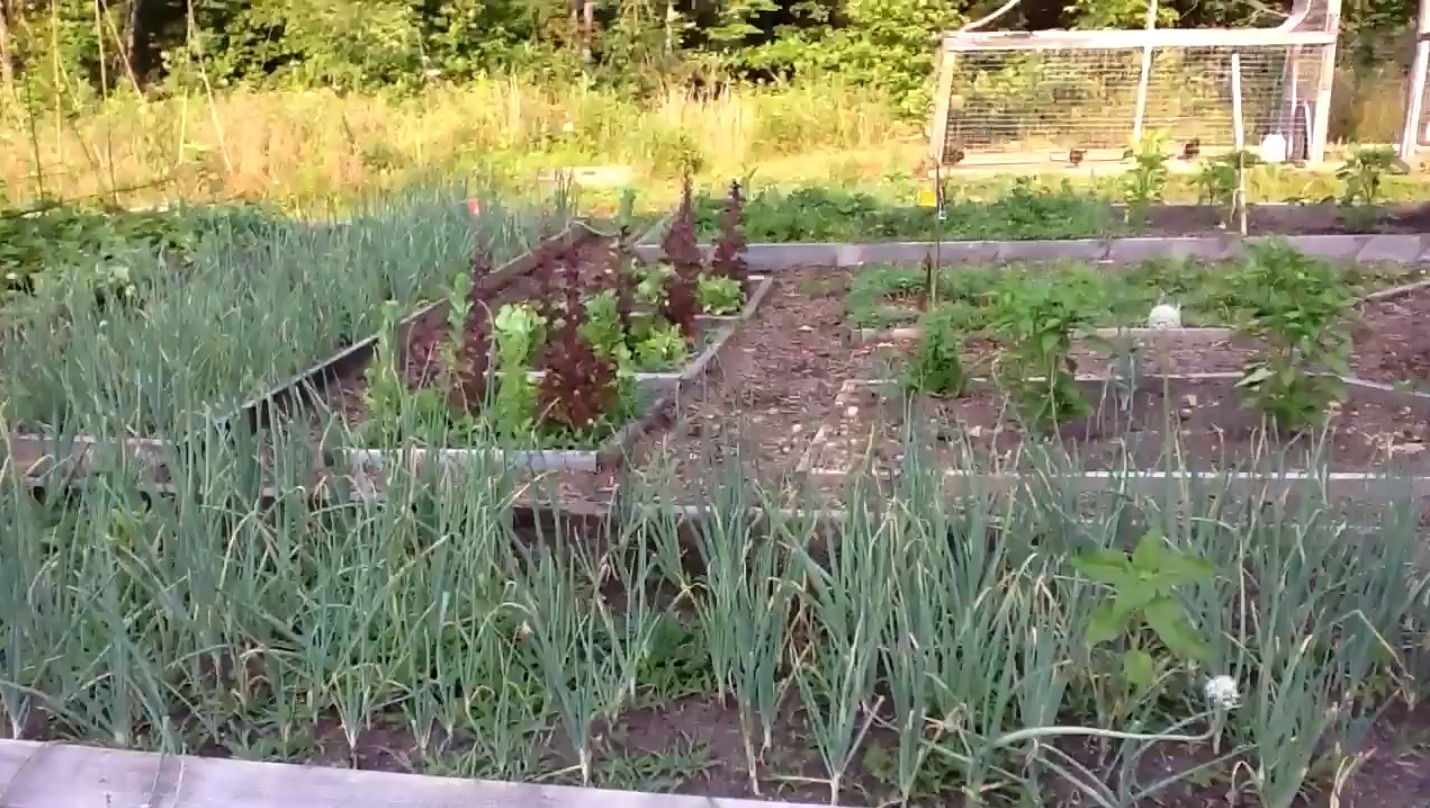
Create a mini backyard farm display using plants, toy animals, and labels. Photograph or give a short guided tour explaining care and produce.
About this activity
Create a mini backyard farm display using plants, toy animals, and labels. Photograph or give a short guided tour explaining care and produce.
What you need
Step by step
- 1
Step 1
Collect the Materials Needed.
- 2
Step 2
Place the tray on a flat surface near a sunny window or outside.
- 3
Step 3
Put the small containers or egg carton into the tray.
- 4
Step 4
Use the small spoon or trowel to fill each container with potting soil.
- 5
Step 5
Plant one seed or small plant into each soil-filled container.
- 6
Step 6
Water each planted container lightly until the soil is just damp.
- 7
Step 7
Arrange the toy farm animals around the plants to create scenes.
- 8
Step 8
Write each plant name and one short care note on craft sticks or labels with the marker.
- 9
Step 9
Stick each label into the matching plant container.
- 10
Step 10
Ask an adult to help you photograph your mini backyard farm or record a short guided tour explaining each plant’s care and what it will produce.
- 11
Step 11
Share your finished creation on DIY.org.
Fun facts
How do I help my child create and present a mini backyard farm display?
Start by choosing a flat tray or a small patch of your backyard and gather plants, toy animals, and labels. Arrange plants in groups (vegetables, herbs, flowers) and place toys where animals would graze. Plant seedlings or place potted plants, write simple labels with plant names, care notes, and expected produce. Let your child rehearse a short guided tour describing watering, sunlight needs and harvest times, then photograph the display from several angles or record their presentation.
What materials do I need to make a mini backyard farm display?
You’ll need shallow trays or small planter boxes, potting soil, seeds or seedlings (herbs, lettuce, cherry tomatoes), small pots, toy farm animals, craft labels (popsicle sticks or cardstock), markers and tape, a child-sized trowel and watering can, and a phone or camera for photos or videos. Optional extras: magnifying glass, decorative pebbles, and a shallow tray to catch spills. Choose non-toxic plants and washable craft supplies for safety.
What ages is this mini backyard farm activity suitable for?
This activity suits ages 3–14 with adaptations. Ages 3–5: sensory planting and placing toys with adult help; keep explanations short. Ages 6–8: simple labels, planting seeds, and practicing a brief tour. Ages 9–12: independent layout, photography, and explaining care and harvest. Teens: planning, documenting growth, comparing produce and leading a longer guided tour. Always supervise with tools, small parts, and when using cameras or recording.
What are the benefits and safety tips for doing a backyard farm display with children?
Benefits include learning responsibility, plant biology basics, sensory development, vocabulary and storytelling, fine motor skills, and environmental awareness. It encourages observation, patience, and pride in caring for living things. Safety tips: supervise tool use and young children, avoid toxic plants, wear gloves for dirty work, wash hands after handling soil, protect from sun, and keep small labels or toy parts away from children who still mouth objects. Discuss privacy before sharing ph
Watch & Learn
Need help?
If I can't find potting soil, a tray, or small containers, what can I substitute?
Mix garden soil with compost and a little sand to substitute for potting soil, and use a shallow baking sheet as the tray with recycled yogurt cups or cleaned food containers (poke drainage holes) instead of small containers or an egg carton.
My seeds aren't sprouting or the soil stays soggy—what should I check or fix?
If seeds fail to sprout or soil is waterlogged after you 'fill each container' and 'water each planted container lightly', poke drainage holes in the containers, let the soil dry to damp (not wet), and move the tray closer to a sunny window per the placement step.
How can I change the activity for younger children or for older kids?
For toddlers, have an adult pre-fill each container with potting soil and let them plant one seed, arrange the toy farm animals, and stick down pre-written craft stick labels, while older kids can research and write detailed care notes on the craft sticks, plant small varieties, and record the guided tour to post on DIY.org.
What are some ways to extend or personalize our mini backyard farm after it's planted?
Personalize and extend the project by painting the tray and craft sticks, adding miniature fences or decorative stones around each planted container, attaching photos or care icons to labels, and creating a narrated photo or video tour to share on DIY.org.