Protect the wild from trash
Organize a small trash pickup with an adult at a local park or trail, sort recyclables, and learn how litter harms wildlife.


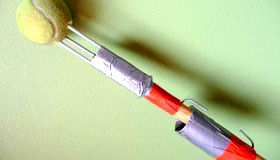

Step-by-step guide to Protect the wild from trash
How We Can Keep Plastics Out of Our Ocean | National Geographic
Step 1
Ask an adult to help you pick a nearby park or trail and choose a day and time to meet.
Step 2
Gather the materials from the list and pack them so they are easy to carry.
Step 3
Talk with the adult and agree on safety rules like staying together and not touching sharp items.
Step 4
Put on your gloves before you start picking up anything.
Step 5
In your notebook draw a simple table labeled Item Count and Where found to record what you collect.
Step 6
Start in the small spot you agreed on and pick up visible trash, placing regular trash into the trash bag.
Step 7
Put bottles cans and paper into the recycling box as you find them.
Step 8
If you find sharp or dangerous items tell the adult right away and do not touch them.
Step 9
Keep cleaning until your agreed time is up or the area looks much cleaner.
Step 10
Tie closed the trash bag when it is full.
Step 11
Ask the adult to help place the trash and recyclables in the proper park bins or take them to a recycling center.
Step 12
Use hand sanitizer or wash your hands and any skin that touched trash.
Step 13
Create a short clean-up report in your notebook that lists how many of each item you collected and includes a quick drawing showing how litter can hurt a wild animal.
Step 14
Share your finished clean-up report and pictures on DIY.org so others can learn from your project.
Help!?
What can we use instead of a recycling box if we can't find one?
Use two sturdy cardboard boxes or labeled reusable shopping bags to sort bottles, cans, and paper on the spot instead of the recycling box named in the instructions.
What should we do if the trash bag rips or gets too heavy while cleaning?
Stop, tell the adult, transfer trash into a fresh bag or double-bag the load, and tie closed the trash bag when it is full as the instructions say to prevent spills or tearing.
How can we change the activity for younger children or older kids?
For younger children, have an adult handle sharp items and make the Item Count table simple with stickers, while older kids can map the trail, weigh bags, and create a detailed clean-up report to share.
How can we make the clean-up project more meaningful or personalized?
Extend the activity by taking photos during the pick-up, adding a before-and-after drawing in your notebook, contacting park staff with your clean-up report, and sharing pictures on DIY.org as the final step.
Watch videos on how to Protect the wild from trash
How To Recycle & Take Care of the Environment *FUN* Science for Kids
4 Videos
How To Recycle & Take Care of the Environment *FUN* Science for Kids
The Impact Of Plastic Pollution On Wildlife (And What We Can Do To Help)! #TeamSeas
Wildlife Conservation for Kids | What Is Wildlife Conservation? | Twinkl USA
How Recycling Works! | How to Help Our Earth | SciShow Kids
Facts about litter and wildlife protection
🗑️ About 80% of ocean plastic comes from land — litter from parks and streets can travel to rivers and seas.
♻️ Recycling one aluminum can saves about 95% of the energy needed to make a new one.
🐢 Sea turtles, birds, and fish often mistake plastic for food — swallowing it can block their guts and cause starvation.
🧤 Wearing gloves and using a trash grabber makes cleanups safer and faster — volunteers can collect dozens to hundreds of items in one outing.
🌍 Community cleanups can remove thousands of pieces of litter; some local events have collected over 50,000 items in a single day.
How do I organize a small trash pickup with my child at a local park or trail?
What materials and supplies do I need for a kid-friendly litter cleanup?
What ages is this trash pickup activity suitable for?
Is this activity safe and what safety tips should I follow?
