Experiment with musical technique
Explore and experiment with different musical techniques by creating simple rhythms, dynamics, articulations, and timbres using voice, clapping, household instruments, and homemade shakers.


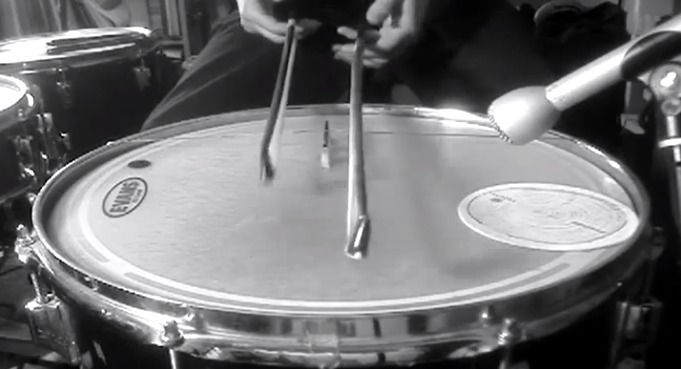
Step-by-step guide to experiment with musical techniques
A music lesson | Instruments and musical figures for kids
Step 1
Find a comfortable spot and lay out all your materials so you can reach them easily.
Step 2
Fill one bottle about one-third full with rice or dry beans.
Step 3
Close the first bottle lid tightly and wrap tape around it so it cannot open.
Step 4
Fill a second bottle about halfway with rice or beans for a different sound.
Step 5
Close the second bottle lid tightly and tape it shut as well.
Step 6
Choose one sound source to try first: your voice clapping the pot or one of your homemade shakers.
Step 7
Count a steady beat out loud to set a tempo you can follow.
Step 8
Clap on beats 1 and 3 to make a simple four-beat rhythm.
Step 9
Play that same rhythm softly so you hear a quiet sound.
Step 10
Play that same rhythm loudly so you feel the strong sound.
Step 11
Play the rhythm again using short quick sounds (staccato) with claps or taps.
Step 12
Play the rhythm again using long smooth sounds (legato) with your voice or by gently shaking a bottle.
Step 13
Combine sounds by clapping on beats 1 and 3 and shaking a bottle on beats 2 and 4 and practice the pattern a few times.
Step 14
Share your finished rhythm and what you learned on DIY.org
Final steps
You're almost there! Complete all the steps, bring your creation to life, post it, and conquer the challenge!

Help!?
What can we use instead of rice or dry beans if they’re hard to find?
Use dry pasta, uncooked lentils, beads, or small pebbles in the bottles and still follow the step to fill one bottle about one-third full and wrap tape around the lid so they stay sealed.
My shaker lid keeps popping open or the sound is too weak — what should we try?
Retape the lid tightly as the instructions say, add a bit more rice or beans (or switch to heavier fillings) to increase volume, and use the 'count a steady beat' step or a metronome to keep your claps on beats 1 and 3 steady while testing sound levels.
How can we adapt this activity for different ages?
For preschoolers have an adult prefill and tape the bottles and practice just clapping on beats 1 and 3 softly and loudly, while older children can practice staccato and legato, combine claps and bottle shakes on beats 2 and 4, change tempos, and record layers to share on DIY.org.
How can we extend or personalize the rhythm activity once we finish the basic steps?
Decorate and label each taped bottle, experiment with different fillings and bottle sizes for new sounds, add the pot as an extra percussion, create longer patterns mixing staccato and legato, and record your performance to upload to DIY.org.
Watch videos on how to experiment with musical techniques
Percussion instruments for kids - Musical Instruments
4 Videos

Percussion instruments for kids - Musical Instruments
Introduction to Musical Instruments for Kids | Mom Approved Educational Content | First University
Fun with Musical Instruments! | Let's Learn Together! | Kindergarten Music Lesson
Musical Storyland | EYFS/KS1 Music | BBC
Facts about music education for kids
👏 Body percussion (claps, stomps, snaps) is used in classrooms and folk traditions worldwide because it's free and instantly musical.
🛠️ Homemade shakers made from bottles, cans, or rice-filled containers can create surprisingly different timbres for experiments.
🥁 Rhythm is the heartbeat of music — repeating beat patterns make songs easy to clap or tap along to.
🎤 The average human voice spans about 2–3 octaves, but some singers have incredible ranges of 4+ octaves!
🔊 Timbre is the musical "color" that lets you tell a flute from a violin even when they play the same note.
How do you explore musical techniques with a child?
What materials do I need for a home musical experiment?
What ages is this musical activity suitable for?
What are the benefits of experimenting with musical technique?



One subscription, many ways to play and learn.
Only $6.99 after trial. No credit card required