Improvise music
Make simple instruments or use voice to improvise short tunes, explore rhythm, melody, and dynamics, and perform spontaneous musical ideas with confidence.


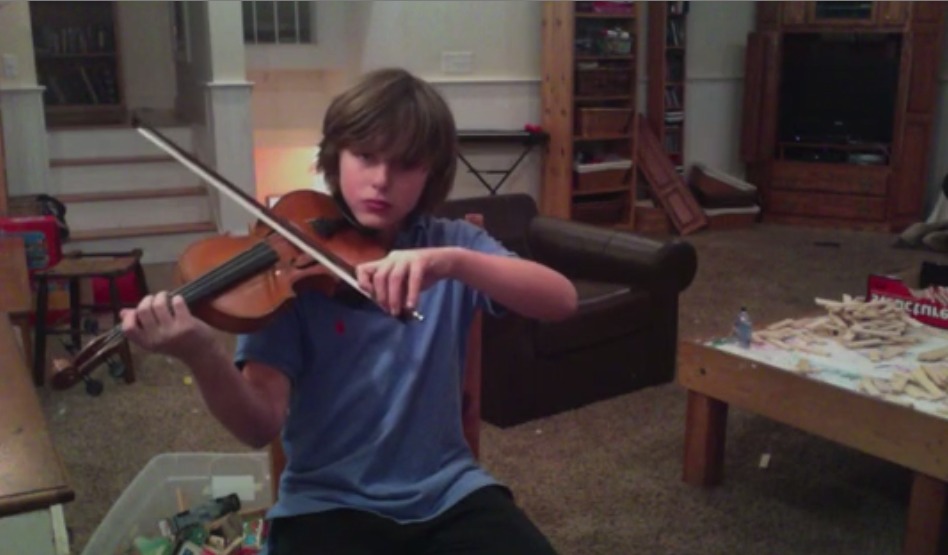

Step-by-step guide to improvise music with simple instruments and voice
How to Make Musical Instruments for Kids! | Welcome to Nana's
Step 1
Gather the materials listed and bring them to your play area.
Step 2
Choose a comfy spot with enough room to sit and move.
Step 3
Put a small handful of dry rice or beans into the plastic container to make a shaker.
Step 4
Close the container lid tightly.
Step 5
Wrap tape around the lid to make sure it stays shut.
Step 6
Stretch rubber bands around the paper towel tube or box to make a simple guitar.
Step 7
Place the pot or pan upside down on the floor to use as a drum.
Step 8
Take three deep breaths and hum a note to warm up your voice.
Step 9
Clap a steady beat and count out eight beats to explore rhythm.
Step 10
Sing a short three-note melody and try changing the order of the notes to explore melody.
Step 11
Play your instruments and sing together to perform your improvised tune from start to finish.
Step 12
Share your finished creation on DIY.org
Help!?
What can we use if we don't have a plastic container, rice, or rubber bands?
If you don't have a plastic container use a clean glass or spice jar, swap rice or beans for dried pasta shells or small pebbles in the shaker, and replace rubber bands by wrapping yarn or ribbon around the paper towel tube while still closing and taping the lid tightly as the instructions say.
Why does my shaker leak or my guitar strings keep slipping, and how can I fix it?
If the shaker leaks add or remove filling to reduce empty space and wrap extra tape around the lid as instructed, and if the rubber bands slip make small anchor slits in the paper towel tube or secure band ends with tape so the guitar keeps tension.
How can I adapt this activity for a 2-year-old, a 6-year-old, and a 10-year-old?
For a 2-year-old simplify to supervised clapping, humming the warm-up breaths, and a taped shaker; for a 6-year-old follow the full steps with adult help closing and taping the shaker; and for a 10-year-old expand by rearranging the three-note melody, composing longer sections, and recording the performance to share on DIY.org.
How can we make the performance more creative or longer after we finish the improvised tune?
Decorate and label the instruments, add a second shaker with a different filling for a new timbre, build an eight-beat clap intro from the rhythm step, layer parts so one person keeps beat while others sing or play, and record the result to upload to DIY.org.
Watch videos on how to improvise music with simple instruments and voice
Spin The Wheels Of Instruments - Easy Music for Kids #kidsmusic
4 Videos
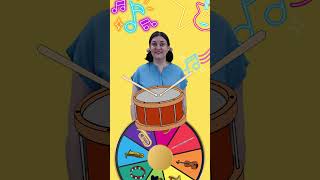
Spin The Wheels Of Instruments - Easy Music for Kids #kidsmusic
Learning Music & Musical Instrument for kids | The Notekins | Learning Videos | First University
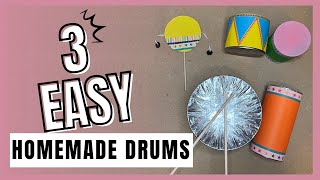
How To Make Drums - 3 EASY DIY Instruments For Kids
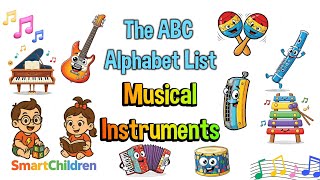
🎵 ABCs of Musical Instruments for Kids | Learn Instruments A to Z 🎺🥁🎹 @ Smart Children
Facts about music education for kids
🎶 Improvisation appears in many musical traditions worldwide — from jazz and blues to Indian classical ragas.
🥁 Babies can bob to a beat long before they can speak, showing rhythm is an early-learned skill.
🎤 Singing uses the same vocal apparatus as speaking, so everyone can safely explore melodies with their voice.
🔊 Changing dynamics (loud and soft) is one of the fastest ways to make a short tune feel dramatic or playful.
🧠 Musical improvisation boosts listening, creativity, and quick decision-making because the brain plans and adapts in real time.
How do I help my child improvise music at home?
What materials do I need to improvise music with my child?
What ages is music improvisation suitable for?
What are the benefits of improvised music for kids?
