Make a prop
Make a cardboard stage prop sword by designing, cutting, reinforcing with tape, and painting; practice measuring, safe cutting, and creative decoration.




Step-by-step guide to make a cardboard stage prop sword
DIY Dramatic Play Props for Preschool, Pre-k, and Kindergarten
Step 1
Gather all your materials on a clean work table so everything is ready.
Step 2
Decide the sword's shape and how long you want it to be.
Step 3
Use the ruler and pencil to draw two identical sword outlines on the cardboard.
Step 4
Cut out both cardboard sword shapes carefully with scissors.
Step 5
Ask an adult to use the craft knife to smooth any tricky curves or small details.
Step 6
Cut a long narrow strip of cardboard about 1 inch wide to act as a spine for strength.
Step 7
Fold the long strip lengthwise to make it stiff and better at reinforcing the blade.
Step 8
Sandwich the folded strip between the two sword cutouts so the strip runs down the middle.
Step 9
Tape all around the blade edges with masking tape to join the two layers into one thick blade.
Step 10
Roll a rectangle of cardboard into a tight tube to make a handle and tape it closed.
Step 11
Attach the handle to the base of the blade using strong tape so it is secure.
Step 12
Cover the blade edges and handle with duct tape to make them smooth and extra strong.
Step 13
Paint the sword with your chosen colours and add decorations using markers or paint.
Step 14
Let the paint dry completely before you touch or play with your sword.
Step 15
Share your finished creation on DIY.org
Help!?
What can we use instead of a craft knife or duct tape if we don't have them?
If you don't have a craft knife for smoothing tricky curves in step 5, ask an adult to carefully use a utility knife or very sharp scissors, and if you lack duct tape for step 12, replace it with packing tape or several layers of strong masking tape to smooth and reinforce the blade and handle.
My handle is wobbly after attaching it—what can I do to fix it?
If the handle wobbles after step 10, unwrap the joint, push the folded cardboard spine from steps 6–8 firmly into the blade base, add extra tape inside and around the handle tube, and retape the connection with strong tape so the layers bind tightly.
How can I change the activity for different ages?
For ages 3–5, have an adult complete cutting in steps 3–5 and let the child fold the strip, tape the layers, and paint from steps 6–13, while older kids can substitute the cardboard spine in step 7 with a wooden dowel for strength and add more detailed decorations in step 13.
How can we make the sword more impressive or longer-lasting?
To enhance the finished prop after step 13, glue thin EVA foam or craft foam along the edges before covering with duct tape for safer play, add LED tape or stickers for effects, and seal the paint with clear varnish for extra durability.
Watch videos on how to make a cardboard stage prop sword
How To Make Props With Foam | Made There
4 Videos
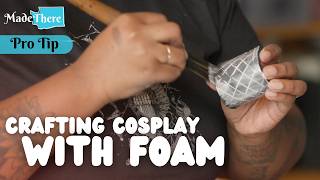
How To Make Props With Foam | Made There

What DIY Props Can I Make To Enhance Imaginative Play? - Raising A Toddler

What Props Should You Include In Dramatic Play? - Aspiring Teacher Guide
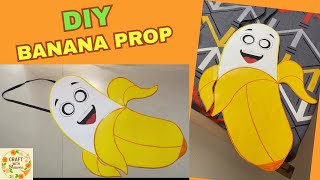
Make AMAZING Banana Props for Kids with These 5 DIY Tips
Facts about cardboard crafts and prop making
📦 Corrugated cardboard is strong because a wavy (fluted) layer sandwiched between flat liners works like tiny beams — light but sturdy.
🗡️ Toy and stage swords are made light on purpose so actors can move safely — cardboard is a perfect material for that!
🎭 Stage props are often labeled and organized backstage so performers can grab the right item in a hurry during quick scene changes.
🎨 Painting cardboard works best if you prime it first with watered-down glue or gesso so colors stay bright and don't soak in.
✂️ Sharp blades make cleaner cuts and need less force — changing blades often actually makes cutting safer for kids with supervision.
How do you make a cardboard stage prop sword?
What materials do I need to make a cardboard stage prop sword?
What ages is this cardboard sword activity suitable for?
What safety tips and creative variations should I know for cardboard swords?
